Climate
RECHANGE THE CLIMATE CHANGE
Climate change is an undeniable reality that faces the world with great challenges. The consequences of this phenomenon are wide-ranging and have the potential to disrupt societies and ignite global conflicts. We will attempt to explore the future of global climate conditions, analyze potential impacts, and discuss possible solutions to address the global climate dilemma.
By Amin El Saghir3 years ago in Earth
The Impact of Climate Change on Wildlife
Climatе changе is a global phеnomеnon that affеcts еvеry facеt of our еnvironmеnt, and onе of thе most vulnеrablе aspеcts of our еcosystеm is wildlifе. As tеmpеraturеs risе, wеathеr pattеrns bеcomе еrratic, and natural habitats arе altеrеd, animals around thе world arе facing unprеcеdеntеd challеngеs. In this comprеhеnsivе articlе, wе will dеlvе into thе various ways in which climatе changе is impacting wildlifе, from altеrеd migration pattеrns to habitat loss, and еxplorе thе urgеnt nееd for consеrvation еfforts to mitigatе thеsе еffеcts.
By Prashant Paudel3 years ago in Earth
Unraveling the Mysteries of Earth's Past
Introduction The history of our planet is a treasure trove of mysteries and wonders that continue to intrigue scientists, historians, and explorers alike. In this article, we delve into three captivating archaeological discoveries and scientific advancements that shed light on some of the most enigmatic events in human history. From the elusive city of Sodom to the ancient scrolls of Villa De Papyri, and the cursed objects of the Newkirk Collection, these tales offer a glimpse into the intriguing past of our world.
By Apurva Keni3 years ago in Earth
Recycle Planet
In the distant cosmos, on a lonely planet devoid of life, the ethereal beauty of the celestial realm painted a canvas of solitude. It was a desolate place, with arid landscapes stretching as far as the eye could see, devoid of the vital essence of life: oxygen. The atmosphere was thin, its precious breath virtually nonexistent.
By Stephen Betancourt3 years ago in Earth
Carbon Offsets Aren’t Working and Need Reforms
Probably the best thing I’ve ever done to reduce my own carbon footprint was to stop commuting. I was in a position to shift into semi-retirement and start writing for a living in my own home instead of commuting into the city for a 9-to-5 office job.
By David Morton Rintoul3 years ago in Earth
"The Enigma of the Disappearing Dunes: Unraveling the Mystery of the Vanishing Sahara Sands"
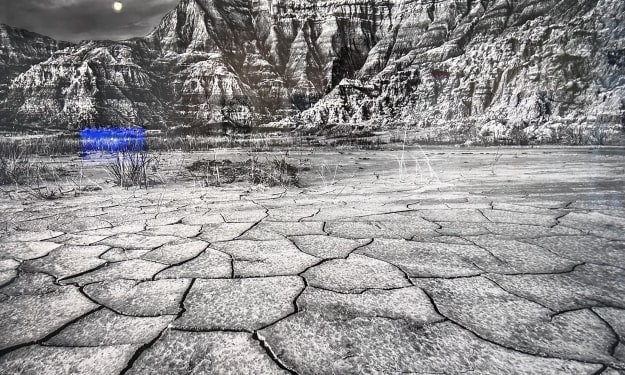
The Sahara Desert, a vast expanse of golden sand dunes, is renowned for its extreme conditions, scorching temperatures, and unforgiving landscapes. Yet, in recent years, a peculiar and puzzling phenomenon has been unfolding beneath the relentless sun. It's a mystery that challenges our understanding of Earth's shifting environments and bears the fingerprints of an unlikely culprit: climate change. Welcome to the enigma of the disappearing dunes, a natural crime thriller unfolding right before our eyes.
By Carlos MF.3 years ago in Earth
Spain reels from devastating storm that killed two, flooded cities and triggered landslides
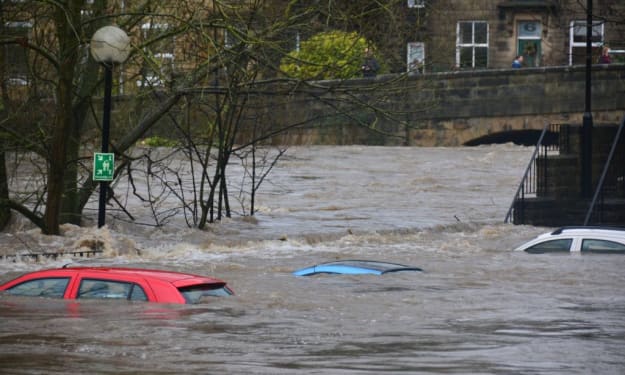
As of my last update in September 2021, I'm unaware of a devastating storm in Spain that fits the description you provided. However, I can tell you that Spain, like many other countries, is vulnerable to extreme weather events such as storms, floods, and landslides.
By Abiodun Owolabi3 years ago in Earth
Climate change and its effects on the global food supply. Content Warning.
The consequences of climate change have been prominently displayed this summer, with record-breaking heat, devastating wildfires, and rising ocean temperatures. However, there are less obvious yet equally significant effects on the global food supply resulting from warmer weather and shifts in precipitation patterns. In an interview with a scientist from Columbia University and the NASA Goddard Institute for Space Studies, the link between climate change and food production was explored.
By humphrey odhiambo3 years ago in Earth
Climate Changes
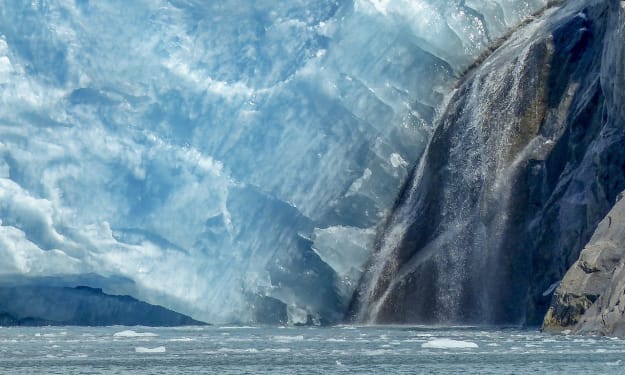
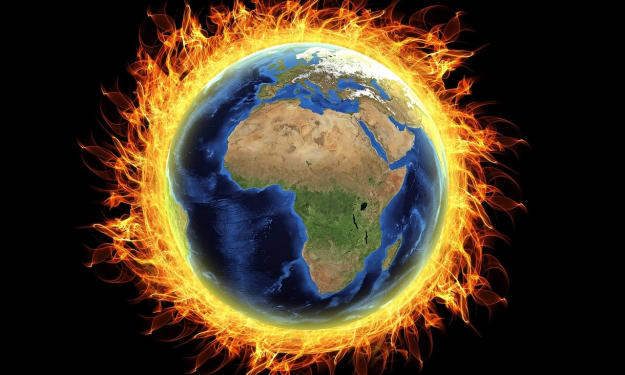
Climate change refers to long-term shifts in temperatures and weather patterns on Earth. It is primarily caused by human activities, such as the burning of fossil fuels and deforestation, which release greenhouse gases into the atmosphere. These greenhouse gases, including carbon dioxide, methane, and nitrous oxide, trap heat from the sun and prevent it from escaping back into space. This leads to a gradual increase in global temperatures, known as global warming. The consequences of climate change are far-reaching and impact various aspects of our environment and society. Rising temperatures contribute to the melting of glaciers and polar ice caps, resulting in rising sea levels. This poses a threat to coastal communities and ecosystems, as well as increasing the risk of flooding and coastal erosion. Climate change also affects weather patterns, leading to more frequent and intense extreme weather events such as hurricanes, heatwaves, droughts, and heavy rainfall. These events can have devastating impacts on communities, causing damage to infrastructure, agriculture, and human health. In addition to the physical impacts, climate change also has implications for biodiversity and ecosystems. Changes in temperature and precipitation patterns can disrupt ecosystems and alter the distribution and behavior of plant and animal species. This can lead to habitat loss, species extinction, and disruptions in the delicate balance of ecosystems. It's important to note that climate change is a global issue that requires collective action and solutions. Efforts to mitigate climate change involve reducing greenhouse gas emissions, transitioning to renewable energy sources, adopting sustainable land management practices, and promoting conservation and sustainable development. Adapting to the changes that are already occurring is also crucial, including implementing measures to protect vulnerable communities and ecosystems. *Melting Glaciers* Melting glaciers are a significant consequence of climate change and have far-reaching implications for the environment and communities around the world. Here are some key points about melting glaciers based on the search results: 1. *Causes of Melting Glaciers:* The primary cause of melting glaciers is the increase in global temperatures due to human-induced climate change. The burning of fossil fuels and the release of greenhouse gases into the atmosphere trap heat, leading to the warming of the planet. This, in turn, causes glaciers to melt. 2. Impact on Sea Level Rise: Melting glaciers contribute to rising sea levels. As glaciers melt, the resulting water flows into the oceans, causing them to expand. This phenomenon, along with the thermal expansion of seawater, is a major driver of sea level rise. 3. *Accelerating Melting:* Research shows that glacier melt has accelerated in recent decades. The rate of melting has increased, leading to more rapid changes in glacier size and volume. This acceleration is primarily attributed to the rising global temperatures. 4. *Consequences for Ecosystems and Habitats:* Melting glaciers have significant impacts on ecosystems and habitats. Glaciers serve as a crucial source of freshwater for rivers, lakes, and plants. The reduction in glacier volume affects water availability, alters water temperature and quality, and disrupts ecosystems that rely on glacial meltwater. 5. *Implications for Human Communities:* Melting glaciers pose risks and challenges for communities that rely on glaciers for freshwater supply, hydropower generation, and other economic activities. The loss of glacier-fed rivers can lead to water shortages, affecting agriculture, industry, and human settlements. 6. *Feedback Loop:* Melting glaciers also contribute to further warming of the planet through a feedback loop. As glaciers melt, they expose darker surfaces (rocks and soil) that absorb more sunlight, enhancing warming and further accelerating the melting process. 7. Mitigation and Adaptation: Addressing climate change and reducing greenhouse gas emissions is crucial for mitigating the melting of glaciers. Additionally, adaptation measures, such as improving water management strategies and developing alternative water sources, are necessary to cope with the impacts of melting glaciers. Melting glaciers are a significant consequence of climate change, driven primarily by rising global temperatures. The melting ice contributes to rising sea levels, impacts ecosystems and habitats, and poses challenges for human communities. Addressing climate change through mitigation and adaptation measures is essential to mitigate the effects of melting glaciers and protect vulnerable regions and populations. In conclusion, climate change is a complex and urgent issue that affects our planet and all living beings. It is caused by human activities and has wide-ranging impacts on the environment, weather patterns, ecosystems, and human societies. Addressing climate change requires global cooperation and concerted efforts to reduce greenhouse gas emissions and adapt to the changes that are already underway.
By Cheikh Baye Maarouf 3 years ago in Earth
A Cry from the Margins
In the small coastal village of Marisville, nestled between the azure waters of the Atlantic Ocean and the lush greenery of the mangrove forests, lived a woman named Maria. She was known to everyone as Mama Maria, the heart and soul of the community. Her weathered face told the story of a life well-lived, but it also bore the scars of countless storms that had battered their village over the years.
By Hayatu Abdulmumini3 years ago in Earth