Climate
Inside Earth, there is enough gold to coat the entire planet.
Enough Gold to Cover the Earth? The Astonishing Truth About Our Planet's Riches Gold has always been a symbol of wealth and rarity. Have you ever wondered how much gold exists beneath our feet? It may surprise you to learn that there’s enough gold inside the Earth to cover the entire planet in a thin layer. This intriguing claim raises questions about the origins, distribution, and potential of gold within our planet.
By Story silver book 2 years ago in Earth
Our shared home and responsibility
The Earth community is a vast, interconnected network of living beings and natural systems, where each element plays a vital role in maintaining balance and harmony. From towering forests to sprawling oceans, from bustling human cities to the quiet hum of microbial life in the soil, Earth is a home shared by all forms of life. It’s a community built not on human borders or divisions but on the unity of existence. Yet, this community is fragile, and its future depends on how well we understand and respect the delicate balance that sustains it. A Planet of Connections The concept of an Earth community is rooted in connection—between people, animals, plants, and ecosystems. Every action taken by one part of the community has a ripple effect on the rest. The air we breathe is provided by the forests and oceans. The food we eat relies on healthy soils, pollinators like bees, and favorable climates. Rivers, lakes, and glaciers provide freshwater essential for life, connecting distant ecosystems in ways often unseen. The Earth’s ecosystems form a complex web, and humans are an integral part of it. For centuries, indigenous communities around the world have lived in harmony with nature, understanding that their well-being is tied directly to the health of the land, water, and wildlife. This relationship is a reminder that the Earth community is not just an abstract idea; it’s a reality we live in every day. The Fragility of Balance However, in recent decades, the balance of the Earth community has been threatened. Industrialization, deforestation, pollution, and climate change have disrupted natural systems at an unprecedented scale. Coral reefs, once vibrant and teeming with life, are bleaching and dying. Forests, the lungs of the Earth, are being cleared at alarming rates. Species are disappearing, with scientists warning that we are in the midst of the sixth mass extinction. These changes are not isolated incidents; they are symptoms of a deeper issue—a lack of respect and care for the Earth community. For too long, humans have acted as though they stand apart from nature, exploiting its resources without considering the long-term consequences. But nature is resilient, and if given a chance, it can recover. A Call for Stewardship The solution lies in embracing our role as stewards of the Earth. Stewardship means taking responsibility for the well-being of the entire community, not just for ourselves. It means recognizing that our actions—no matter how small—have an impact on the larger whole. In recent years, there has been a growing movement toward sustainability and environmental awareness. People around the world are working to protect endangered species, restore ecosystems, and reduce their carbon footprint. Communities are turning to renewable energy, adopting sustainable agriculture, and finding innovative ways to reduce waste. These efforts are a testament to the power of collective action. The youth, in particular, are leading the charge. Climate activists like Greta Thunberg and countless others are raising their voices, demanding that world leaders take urgent action to protect the planet. Their message is clear: the time to act is now. Rebuilding the Earth Community Rebuilding the Earth community requires more than just environmental policies and technological solutions. It demands a shift in perspective—a recognition that we are all part of something larger than ourselves. It requires compassion, cooperation, and a deep respect for all forms of life. Every individual has a role to play in this effort. Whether it’s reducing plastic use, conserving water, planting trees, or supporting organizations that protect the environment, small actions add up. Communities can work together to create greener cities, preserve natural habitats, and promote sustainable practices. Reconnecting with nature is another crucial step. When people spend time in nature, they develop a deeper appreciation for its beauty and complexity. This connection fosters a sense of responsibility and a desire to protect it. A Shared Future The Earth community is not just a concept—it is our reality. It is the air we breathe, the water we drink, and the food we eat. It is the animals, plants, and landscapes that inspire us and sustain us. We are all part of this community, and our collective future depends on how we treat it. In the end, protecting the Earth is not about saving the planet—it’s about saving ourselves. The Earth will endure, as it always has, but the question remains: what kind of community will we leave for future generations? Will it be one of destruction and loss, or one of hope and renewal? The choice is ours. ---
By Your aurthor2 years ago in Earth
Climate Change and Environmental Sustainability Understanding the Challenges and Solutions for a Sustainable Future
### **Introduction** Climate change and environmental sustainability have become two of the most pressing global issues in the 21st century. The Earth's climate is changing at an alarming rate due to human activities such as deforestation, industrial pollution, and excessive carbon emissions. Rising temperatures, extreme weather events, and loss of biodiversity threaten ecosystems, economies, and human livelihoods. While climate change presents a formidable challenge, environmental sustainability offers a roadmap to mitigate its effects and build a greener, more resilient future. This article explores the causes and impacts of climate change, the importance of sustainability, and the solutions necessary to address these challenges. ### **Understanding Climate Change** Climate change refers to long-term shifts in temperatures and weather patterns, primarily driven by human activities. The primary cause is the increase in greenhouse gases (GHGs) such as carbon dioxide (CO₂), methane (CH₄), and nitrous oxide (N₂O). These gases trap heat in the Earth's atmosphere, leading to global warming. #### **1. Causes of Climate Change** - **Burning Fossil Fuels**: Coal, oil, and natural gas combustion for energy and transportation releases vast amounts of CO₂. - **Deforestation**: Cutting down forests reduces the planet’s ability to absorb CO₂, worsening the greenhouse effect. - **Industrial Pollution**: Factories emit harmful pollutants, including GHGs and particulate matter, which contribute to atmospheric warming. - **Agricultural Practices**: Livestock farming releases methane, while excessive fertilizer use emits nitrous oxide. - **Waste Management**: Landfills produce methane as organic waste decomposes. #### **2. Consequences of Climate Change** - **Rising Global Temperatures**: The Earth's average temperature has increased by over 1°C since the industrial revolution. - **Extreme Weather Events**: More frequent hurricanes, wildfires, droughts, and floods. - **Melting Ice Caps and Rising Sea Levels**: Threatening coastal cities and island nations. - **Biodiversity Loss**: Many species face extinction due to habitat destruction. - **Food and Water Insecurity**: Changing weather patterns disrupt agriculture and freshwater supplies. ### **Environmental Sustainability: A Solution to Climate Change** Environmental sustainability focuses on meeting present needs without compromising the ability of future generations to meet theirs. It emphasizes responsible resource consumption, conservation, and the reduction of pollution. #### **1. Key Principles of Sustainability** - **Renewable Energy**: Transitioning to solar, wind, and hydroelectric power reduces reliance on fossil fuels. - **Conservation of Natural Resources**: Protecting forests, oceans, and freshwater sources to maintain ecological balance. - **Sustainable Agriculture**: Implementing eco-friendly farming practices like organic farming and crop rotation. - **Waste Reduction and Recycling**: Promoting a circular economy where products are reused and recycled. - **Green Infrastructure**: Developing cities with energy-efficient buildings, sustainable transport, and green spaces. ### **Global Efforts to Combat Climate Change** Countries and organizations worldwide are taking steps to combat climate change through policies, agreements, and innovative solutions. #### **1. The Paris Agreement** Adopted in 2015, this international treaty aims to limit global warming to well below 2°C, with a goal of 1.5°C. Nations commit to reducing emissions and enhancing climate resilience. #### **2. Sustainable Development Goals (SDGs)** The United Nations’ SDGs include goals like clean energy, climate action, and responsible consumption to promote sustainability. #### **3. Green Technology and Innovations** - **Electric Vehicles (EVs)**: Reducing dependence on gasoline and lowering emissions. - **Carbon Capture and Storage (CCS)**: Technologies that capture CO₂ emissions before they enter the atmosphere. - **Smart Grids and Energy Efficiency**: Improving electricity distribution and reducing waste. ### **The Role of Individuals in Sustainability** While governments and corporations play significant roles, individuals can also contribute to sustainability. #### **1. Adopting a Low-Carbon Lifestyle** - **Using Public Transport or Cycling**: Reducing carbon footprint from personal vehicles. - **Eating a Plant-Based Diet**: Reducing meat consumption can lower methane emissions. - **Reducing Energy Consumption**: Using energy-efficient appliances and switching off lights when not in use. #### **2. Supporting Sustainable Products and Businesses** - **Choosing Eco-Friendly Brands**: Supporting companies committed to sustainability. - **Avoiding Single-Use Plastics**: Using reusable bags, bottles, and containers. #### **3. Raising Awareness and Advocacy** Educating others about climate change and advocating for policies that promote sustainability. ### **Conclusion** Climate change and environmental sustainability are interconnected issues that require urgent action. Through a combination of policy changes, technological innovation, corporate responsibility, and individual efforts, we can mitigate the effects of climate change and create a more sustainable world. The choices we make today will shape the future of our planet, making sustainability a responsibility that belongs to everyone.
By Dipayan Biswas2 years ago in Earth
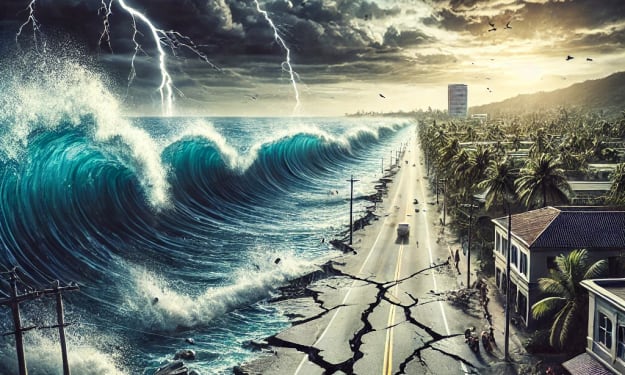
Major 7.6 Magnitude Earthquake Strikes Caribbean, Triggering Tsunami Warnings Across Region
A powerful 7.6 magnitude earthquake struck the Caribbean Sea near the Cayman Islands on [insert date], sending tremors across the region and prompting immediate tsunami warnings for Puerto Rico, Honduras, Jamaica, and other coastal nations. The U.S. Geological Survey (USGS) reported the quake’s epicenter approximately 80 miles southeast of Grand Cayman, at a depth of 10 kilometers, making it a shallow and potentially destructive event. The Pacific Tsunami Warning Center (PTWC) swiftly issued alerts, urging residents in low-lying areas to evacuate. This article delves into the earthquake’s impacts, regional responses, and the science behind Caribbean seismic threats.
By Delta Roblox Executor Download APK 2026 latest New Update2 years ago in Earth
The Pros and Cons of Buying vs. Renting a Home
The decision between buying and renting a home is one that many people face at various stages of life. Both options come with their own set of advantages and disadvantages, and the best choice depends on your financial situation, lifestyle preferences, and long-term goals. Understanding the pros and cons of buying versus renting can help you make an informed decision that aligns with your needs. Buying a Home One of the most significant advantages of buying a home is the opportunity to build equity over time. When you purchase a property, your mortgage payments contribute to owning a valuable asset. Unlike renting, where your monthly payments essentially disappear, homeownership allows you to invest in something that may appreciate in value. Another advantage is the stability that comes with owning a home. You are not at the mercy of a landlord who can increase rent or decide to sell the property. Homeownership also provides the freedom to customize your living space to suit your preferences, whether it involves renovating the kitchen, painting walls, or landscaping the garden. Buying a home can also provide potential tax benefits. In many countries, including Nigeria, homeowners may be eligible for deductions on mortgage interest and property taxes. These financial incentives can help reduce the overall cost of owning a property. However, buying a home comes with its share of challenges. One of the primary drawbacks is the upfront cost. A significant down payment is usually required, along with closing costs, legal fees, and other expenses. These initial costs can be a barrier for many prospective homeowners. Maintenance and repair costs are another consideration. As a homeowner, you are responsible for all repairs and upkeep, which can be costly and time-consuming. From fixing a leaky roof to maintaining the plumbing system, these expenses can add up over time. Market fluctuations also pose a risk to homeowners. While property values generally appreciate over the long term, they can also decrease during economic downturns. This can be particularly problematic if you need to sell the property during a market slump. Renting a Home Renting offers flexibility, which is one of its most significant advantages. If you have a job that requires frequent relocation or are uncertain about where you want to settle down, renting provides the freedom to move without the hassle of selling a property. Another benefit of renting is the lower upfront cost. Typically, you only need to pay a security deposit and the first month’s rent, making it a more accessible option for those with limited savings. Maintenance and repair responsibilities usually fall on the landlord, relieving renters of the financial and logistical burdens associated with property upkeep. This can be a significant advantage for individuals who prefer not to deal with home maintenance tasks. However, renting also has its drawbacks. One of the most significant disadvantages is the lack of equity building. Monthly rent payments do not contribute to owning an asset, meaning you are essentially helping your landlord build equity rather than investing in your future. Rent prices can also be unpredictable. Landlords may increase rent at the end of a lease term, sometimes substantially, which can disrupt your budget and financial planning. Another disadvantage is the lack of control over the property. Renters often face restrictions on modifications, such as painting walls or making structural changes. Additionally, landlords can decide not to renew a lease, forcing tenants to find new housing unexpectedly. Making the Decision When deciding between buying and renting, it’s essential to consider your financial situation, lifestyle preferences, and long-term goals. If you have a stable income, sufficient savings for a down payment, and plan to stay in one place for an extended period, buying a home may be a wise investment. The opportunity to build equity and enjoy the stability of homeownership can outweigh the challenges of maintenance and market fluctuations. On the other hand, if you value flexibility, are unsure about your long-term plans, or do not have the financial resources for a down payment, renting may be the better option. The lower upfront costs and freedom from maintenance responsibilities can be appealing, especially for those in transitional phases of life. It’s also worth considering the real estate market in your area. In some regions, property prices are high, making renting a more affordable choice. In other areas, buying may be more cost-effective in the long run. Conducting thorough research and consulting with real estate professionals can help you make an informed decision. Both buying and renting have their advantages and disadvantages, and there is no one-size-fits-all answer. By carefully evaluating your financial situation, lifestyle needs, and future plans, you can choose the housing option that best suits your circumstances and helps you achieve your long-term goals.
By Nora Ariana2 years ago in Earth
Winter Storm Marches East
Winter Storm Marches East The winds began to howl that afternoon. What started as a light snow, dusting the fields in a blanket of soft white, quickly turned into something much darker. It wasn’t the typical winter storm that came and went, with snowflakes gently falling like pieces of a forgotten dream. No, this storm carried a weight that felt different, as though it was not just the weather that was changing, but something in the world itself.
By Levan Gabaidze2 years ago in Earth
3 Ways Python-Driven Geospatial Machine Learning Could Save The Amazon
I want to write an article about a serious problem that the entire globe is facing and that many people should be concerned about. One of the most pressing issues that should concern us all as climate change becomes a reality in the twenty-first century is the swift decline in biodiversity. This disturbs the delicate balance of life on Earth, damages ecosystems, and impedes food security.
By Stephen Chege2 years ago in Earth
How to Build a python Minimum Viable Product (MVP) for Your GIS Startup
The conceptual stages of a startup is the most pivotal part of the success and as it sets the foundation for the product's direction, ensures alignment with user needs, and establishes a clear roadmap for development, ultimately determining whether the startup can effectively solve a real-world problem and gain traction in the market
By Stephen Chege2 years ago in Earth