Climate
Rivers at Risk: The Global Crisis of Water Pollution and Its Impact on Our Future
Rivers, often referred to as the lifeblood of our planet, have been instrumental in supporting human civilizations, providing water for agriculture, and sustaining diverse ecosystems for millennia. However, these vital water sources are increasingly under threat due to pollution, which has reached alarming levels in many regions. Industrialization, urbanization, deforestation, and poor environmental practices have transformed once pristine rivers into toxic waste streams. Rivers that were once a source of life now carry the burden of contamination, endangering the health of millions of people and the survival of countless species. Among the most polluted rivers globally are the Ganges in India, the Citarum in Indonesia, the Yellow River in China, the Yamuna in India, the Buriganga in Bangladesh, the Nile in Africa, and even rivers in developed countries like the United States, including the Mississippi and Ohio.
By G.M. Rayhanabout a year ago in Earth
How Climate Change is Affecting the World's Food Supply. AI-Generated.
Climate change is one of the most pressing issues of our time, affecting various aspects of our planet's ecosystems. Among the many areas impacted by this environmental crisis, the global food supply stands out as a major concern. Rising temperatures, changing weather patterns, extreme events, and shifting ecosystems are all contributing to disruptions in agricultural production. As the planet's climate continues to warm, the delicate balance of food security is at risk, threatening the livelihoods of farmers and the availability of food for billions of people worldwide.
By Hassan Ali Haiderabout a year ago in Earth
The Global Impact of Cyclones: A Growing Threat
Cyclones, hurricanes, and typhoons represent formidable natural disasters that have historically posed significant risks to coastal areas globally. Recently, however, the rising frequency and intensity of these storms have sparked alarm among scientists, government officials, and residents in at-risk regions. The increasing severity of cyclones threatens not only human lives and infrastructure but also the environment and economic stability. Factors such as climate change, elevated sea levels, and rapid urban development contribute to the heightened intensity and occurrence of these storms. This article examines the escalating danger posed by cyclones, their effects on impacted areas, and the pressing need for enhanced preparedness and response measures.
By G.M. Rayhanabout a year ago in Earth
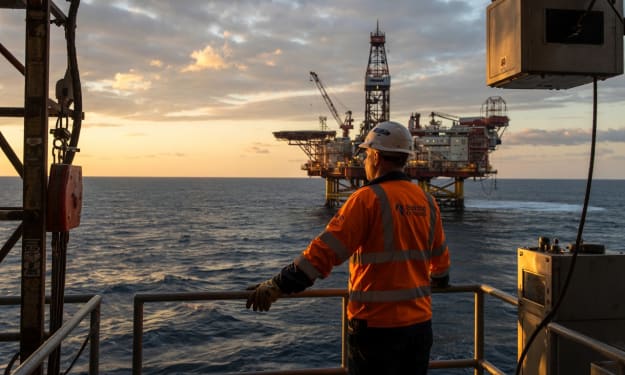
Future Perspective on Working Offshore in the Next Five Years
The offshore energy sector is at a pivotal moment, with projections indicating significant growth and transformation by 2030, particularly in the context of the global energy transition. This report synthesizes current trends, projections, and challenges to provide a comprehensive outlook for working offshore over the next five years, from April 2025 to April 2030. The analysis focuses on job opportunities, sector shifts, policy implications, and workforce transition, drawing on authoritative sources such as Offshore Energies UK (OEUK), Robert Gordon University (RGU), and the International Energy Agency (IEA).
By The INFORMERabout a year ago in Earth
The Rise of Ethical Consumerism
by Futoshi Tachino In recent years, a significant transformation has been underway in global markets, driven by a growing movement towards ethical consumerism. This shift reflects a collective desire among consumers to make purchasing decisions that align with their values, particularly concerning environmental sustainability, social justice, and corporate responsibility. As this trend gains momentum, it is reshaping industries and encouraging businesses to adopt more ethical practices.
By Futoshi Tachinoabout a year ago in Earth
Community-Led Environmental Initiatives
by Futoshi Tachino In the face of global environmental challenges, communities worldwide have demonstrated remarkable resilience and innovation. Through grassroots efforts, they have implemented sustainable solutions that not only address ecological concerns but also foster social and economic benefits. Here are some inspiring examples of community-led environmental initiatives:
By Futoshi Tachinoabout a year ago in Earth
The Silent Apocalypse
The Silent Apocalypse of the Soul When people imagine an apocalypse, they often picture fire and brimstone, global catastrophes, or sudden destruction. It’s the stuff of epic movies and prophetic warnings—wars, earthquakes, plagues, and the downfall of civilizations. But what if the most dangerous apocalypse isn’t loud or obvious? What if it is silent, creeping in unnoticed, infecting hearts, corrupting societies, and bringing about destruction not with a bang, but with a whisper?
By Gabriela Toneabout a year ago in Earth
Fire-Resistant Plants: Nature's Answer to Infernos
The Unyielding Guardians Imagine standing in front of a roaring fire, feeling the heat burning your skin, and watching everything you love turn into ashes. Now imagine that right next to you stands a plant that not only survives but thrives under such conditions. This is the magic of fire-resistant plants.
By Anna-Mariaabout a year ago in Earth