Climate
North America’s Underside is Slowly Melting into the Earth: A Hidden Geologic Process Unveiled. AI-Generated.
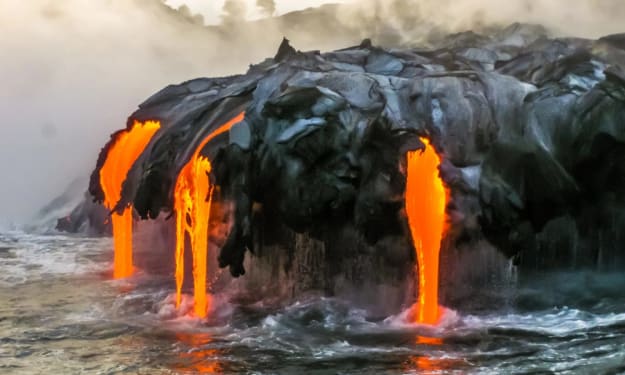
North America’s Underside is Slowly Melting into the Earth: A Hidden Geologic Process Unveiled Deep beneath the surface of the western United States, a silent and powerful process is unfolding — one that scientists believe could reshape how we understand Earth’s internal dynamics. The underside of the North American tectonic plate is slowly melting and dripping into the mantle. This phenomenon, known as "delamination," is not only fascinating from a scientific perspective but could have serious implications for the region's geology, including volcanic activity and seismic risks.
By Adnan Rasheedabout a year ago in Earth
Air pollution
Air pollution: A hidden threat to health and life Air pollution is one of the most serious environmental problems affecting our planet today. It is the presence of harmful or excessive atmospheric substances that threaten human health, ecosystems, and the climate. Air pollution contributes to a wide range of environmental and social issues, even though it is often invisible. Each year, it kills millions of people and contributes to many other problems. In our global effort to create a cleaner and healthier world, it is essential to comprehend its effects, causes, and potential solutions. How does air pollution work? Air pollution occurs when gases, dust particles, fumes, or odors are introduced into the atmosphere in concentrations that harm living organisms or the environment. The majority of these pollutants are the result of human activities, though some of them are natural, like pollen or ash from volcanoes. The most prevalent air pollutants are: Particulate Matter (PM2.5 and PM10): Tiny particles suspended in the air that can penetrate deep into the lungs and bloodstream.
By Towhidur Rahmanabout a year ago in Earth
Global warming
Global Warming: A Global Crisis Demanding Immediate Action One of the most pressing issues facing the world today is global warming. It is the long-term rise in the average temperature of the Earth's climate system, primarily brought about by human activities, particularly the release of greenhouse gases like carbon dioxide (CO2), methane (CH4), and nitrous oxide (N2O). The Earth's climate has changed significantly as a result of this warming trend, affecting ecosystems, weather patterns, and sea levels. Understanding Global Warming
By Towhidur Rahmanabout a year ago in Earth
NASA rover discovers out-of-place 'Skull' on Mars, and scientists are baffled
In a startling development that has reignited public imagination and scientific curiosity, a NASA rover has captured an image of what appears to be a skull-like object on the surface of Mars. The object, discovered by the Perseverance rover during its ongoing exploration of the Jezero Crater, is drawing widespread attention from scientists and spa.ce enthusiasts alike, with some calling it the most puzzling find since the infamous “Face on Mars” photographed by Viking 1 in 1976
By Sudipto Halderabout a year ago in Earth
DISCOVERY OF WORLD
Cultural Discovery and Global Exchange The discovery of the world wasn’t just about finding new continents or drawing better maps—it was also about the meeting of people, ideas, and cultures. Throughout history, as humans ventured beyond their borders, they didn’t just bring goods; they brought languages, traditions, religions, and ways of life. These cultural exchanges shaped civilizations, inspired creativity, and sometimes even led to conflict. But in the end, they connected the world in powerful and lasting ways.
By nasrullah khanabout a year ago in Earth
The Truth We Ignore
Let's face it: your metal straw is of no use to the planet. There. I stated it. While we pat ourselves on the back for skipping a plastic bag or swapping to oat milk, the ice caps continue to melt, and billion-dollar industries keep burning the Earth with impunity. I'm not here to be pessimistic. I’m here to expose the uncomfortable truth: we’ve been sold a feel-good fantasy, and it's time we wake up. 1. The Lie of the “Green Individual” You have probably been told that we could stop climate change if everyone just made a few changes, like riding bikes more, eating less meat, and recycling better. It sounds hopeful. It gives me confidence. However, this is false. The data is not deceptive. Over 70% of global emissions are caused by a hundred businesses. They also want you to believe that you are to blame for this crisis. Why? because it is simpler for disengaged citizens than for regulated billionaires. 2. Green when it's a luxury Eco-living is often portrayed as easy. However, inform someone who works two jobs or lives in a food desert of that. Are solar panels? Out of reach. Organic products? Too expensive. Public transport? In many cities, it’s a joke. Sustainability has been packaged for the elite—and the rest are left with guilt and judgment. 3. The Development of Eco-Theater Reusable straws. Bamboo toothbrushes. Carbon offsets sold by airlines that pollute anyway. These are just props in an eco-theater meant to make us feel better, not solutions. Green capitalism sells us the illusion of change, while the real villains stay untouched. 4. The Power We Do Have But that doesn't mean we can't do something. In fact, we hold the most important tool of all: our voices. I vote for leaders with real climate policies. I support organizations with teeth, attend rallies, and sign petitions. Change doesn’t happen from the compost bin—it happens in the streets, in the courts, and at the ballot box. 5. Over with the guilt. Stop making people feel bad about not being perfect environmentalists. That mindset divides us. Let's create a pragmatic movement rather than preaching purity. One that demands real accountability, not performative progress. I still recycle. I still carry my reusable bottle. But I don’t delude myself into thinking that alone will save the planet. Because the truth is brutal: The planet is dying because profit is protected by power, not because we forgot our bags. If we want a future, we have to get real.
By BAYEZID BOSTAMIabout a year ago in Earth
Happy Earth Day 2025: What It Really Means and 5 Inspiring Ways to Celebrate It
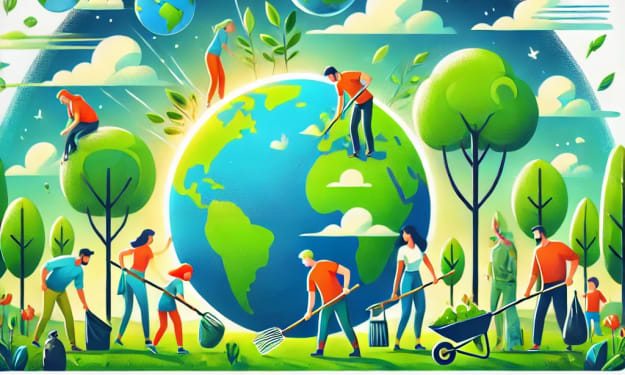
Happy Earth Day 2025! While millions across the globe will post green-themed selfies, reshared quotes, and heartwarming nature snapshots, let’s pause and ask: What does Earth Day actually mean? Is it just a trending day to look eco-friendly online—or does it represent something much deeper? In a time when our planet is crying out for help, the significance of this day has never been greater. In this article, we dive into the origin and meaning of Earth Day, why Earth Day 2025 matters more than ever, and how you can make a real impact this year—no matter where you are. --- What Is Earth Day All About? Earth Day is celebrated every year on April 22 and is recognized as the largest secular civic event in the world. More than 1 billion people from over 190 countries participate annually, making it a truly global movement. The first Earth Day happened in 1970, birthed by U.S. Senator Gaylord Nelson in response to rising environmental concerns—oil spills, smog, polluted rivers, and more. It sparked a unified demand for cleaner air, water, and wildlife protections. Over the decades, Earth Day has evolved beyond pollution awareness to address climate change, sustainable living, deforestation, biodiversity loss, and environmental justice. More than a celebration, it’s a call to action. It reminds us that we all share this planet, and we must all take responsibility for its well-being. --- Why Earth Day 2025 Matters More Than Ever In 2025, our planet is at a tipping point. Global temperatures are rising faster than anticipated. The last five years have been the hottest on record. Oceans are becoming warmer and more acidic, endangering marine ecosystems that billions depend on for food and income. Extreme weather events—wildfires, floods, hurricanes—are increasing in frequency and intensity. Plastic pollution has entered our food chain, with microplastics found in drinking water, salt, and even human blood. Despite all the awareness and activism over the years, the planet’s condition is worsening. That’s why Earth Day 2025 is not just another date—it’s a critical reminder that time is running out. --- 5 Inspiring Ways to Celebrate Earth Day 2025 Don’t let April 22 be the only day you think about the environment. Here are five meaningful ways you can make a difference this Earth Day—and carry those habits forward: --- 1. Organize a Community Cleanup Rally friends, classmates, or coworkers and clean up a local park, riverbank, or neighborhood. It’s an instant way to improve your surroundings and create awareness within your community. Pro tip: Document the cleanup and share on social media using Earth Day hashtags to inspire others! --- 2. Plant Something Green Plant a tree, flowers, or start a small garden. Green spaces provide oxygen, purify the air, and reduce heat. Trees especially can absorb carbon dioxide, playing a vital role in fighting climate change. If space is limited, start with potted herbs or a balcony garden. --- 3. Host or Join a Climate Conversation Knowledge is power. Organize a mini-event or join one online. Discuss climate issues, share solutions, or invite a guest speaker to spark dialogue. These conversations can shift perspectives and influence action. --- 4. Support Sustainable and Local Businesses Vote with your wallet. Choose to buy from brands that use eco-friendly packaging, support fair labor, and prioritize sustainability. Even better, buy local to reduce carbon footprints from shipping. --- 5. Go Digital for the Earth Swap paper for pixels. Instead of handing out flyers or printing posters, share digital content. Post infographics, blog links, or climate challenges. Use your voice online to educate and motivate. --- Earth Day Is Not Just a Day—It’s a Daily Duty Posting “Happy Earth Day” once a year won’t save the planet. But consistent effort will. Use Earth Day 2025 as a launchpad, not a finish line. Take the energy and turn it into new habits: Recycle properly Conserve energy and water Reduce meat consumption Use public transport Volunteer for environmental causes Speak up when it matters Your everyday choices shape the world. When billions make better decisions, change is inevitable.
By Gideon Polycarpabout a year ago in Earth
When Is Earth Day 2025? Here’s Why You Shouldn’t Wait Until Then to Take Action
If you’ve been wondering, “When is Earth Day 2025?”—the answer is Tuesday, April 22nd. But here’s the real question: Why wait for April 22 to care about the planet? Earth Day is more than a date on the calendar; it’s a global call to action. With the growing threat of climate change, pollution, and biodiversity loss, we can’t afford to treat environmental care like an annual obligation. We must move from awareness to consistent action. In this article, we’ll explore the origin of Earth Day, its continued relevance, and how you can make a difference right now, even before Earth Day 2025 arrives. --- A Brief History of Earth Day The first Earth Day was celebrated on April 22, 1970, in the United States. It was initiated by Senator Gaylord Nelson, who was deeply concerned about the environmental crisis following events like massive oil spills, industrial pollution, and widespread ecological neglect. His idea? To organize a nationwide teach-in about the environment. That first Earth Day brought together over 20 million Americans—students, teachers, families, and environmental groups. They took to the streets, campuses, and parks to rally for clean air, clean water, and a healthier planet. Since then, Earth Day has grown into the largest secular observance in the world, celebrated by more than 1 billion people across 190+ countries. It’s not just a moment of unity—it’s a movement for the planet. --- Why April 22? April 22 wasn’t picked at random. Organizers wanted maximum participation from students, and this date fell perfectly between spring break and final exams in the U.S. It was strategic—and it worked. Even today, April 22 remains a symbol of youth-driven environmental awareness, making it the perfect annual checkpoint to assess our progress and renew our commitment to the Earth. --- Why You Shouldn’t Wait Until 2025 While Earth Day 2025 will likely bring exciting events, eco-campaigns, viral hashtags, and brand-sponsored cleanups, our planet needs more than just annual attention. Let’s look at the facts: Over 1 million plastic bottles are purchased every minute globally. Climate-related disasters like hurricanes, floods, and wildfires are displacing millions of people every year. Global temperatures are rising faster than predicted, and time to reverse this trend is rapidly shrinking. Our everyday choices matter. What you do on a random Tuesday in June can be just as impactful as what you do on Earth Day. Every eco-friendly choice builds momentum. --- How to Prepare for Earth Day 2025—Starting Now Don’t wait. Here are 6 ways you can start making a difference today: 1. Cut Single-Use Plastics Swap out plastic bags, bottles, and packaging for reusable alternatives. It’s a small habit with huge impact. 2. Eat More Plant-Based Meals The meat industry is one of the biggest contributors to greenhouse gas emissions. Even reducing your meat intake by a few meals per week helps. 3. Plant Trees or Start a Garden Trees absorb CO₂ and give life to ecosystems. Whether you have a backyard or just a pot on your windowsill, grow something green. 4. Support Eco-Conscious Brands Where you spend your money shapes industries. Choose brands that prioritize sustainability, ethical sourcing, and minimal waste. 5. Talk About the Climate Conversations influence culture. Normalize eco-conscious talk with friends, family, and online communities. 6. Start a Recycling System Create or improve recycling at home, in your school, workplace, or religious center. Make eco-habits convenient. Earth Day isn’t about perfection. It’s about intention. You don’t have to save the whole world in one day. But what you do today can inspire someone tomorrow. And if enough of us care consistently, real change happens.
By Gideon Polycarpabout a year ago in Earth
Bearish Dollar Bets Move Toward Levels That Raise Risk of Recoil
The risk of a sharp rebound is increased when bearish dollar bets reach extreme levels. April 22, 2025 The U.S. dollar is under mounting pressure as traders and investors continue to pile into bearish bets, driving the currency to multi-year lows. The crowded nature of these positions, on the other hand, is alarming financial analysts, who believe that the situation is ripe for a sudden and potentially sharp rebound—a scenario that is frequently referred to as a "short squeeze." The dollar's once-unchangeable status as the world's reserve currency is being challenged as the global financial community loses faith in U.S. economic policy and concerns about the Federal Reserve's independence grow. Yet paradoxically, a near-term rally may be sparked by this extreme bearish sentiment. Dollar drops to a low not seen in years The U.S. Dollar Index (DXY), which tracks the value of the dollar against a basket of major currencies, has dropped to its lowest level in over three years. The index has dropped nearly 9% since the beginning of 2025, indicating widespread dissatisfaction with the fiscal and monetary trajectory of the United States government. President Trump's increasingly protectionist stance, his public criticism of Federal Reserve Chair Jerome Powell, and investor concerns that the Fed's policy decisions are no longer immune from political influence are all major contributors to this decline. Global investors have moved away from the dollar and toward alternative assets like gold, the euro, and the Japanese yen as a result of these developments, which have created an atmosphere of economic uncertainty. Extremes of Bearish Sentiment Approach An unprecedented number of short positions have been created as a result of the dollar's weakness. The dollar's continued decline has been heavily bet on by institutional investors, asset managers, and hedge funds. The Commodity Futures Trading Commission (CFTC) recently released data that shows that net short positions in dollar futures have increased to their highest levels since 2020. Notably, companies like RBC BlueBay Asset Management have made their short positions public, citing a decline in investor confidence in the economic framework of the United States. Mark Dowding, BlueBay's Chief Investment Officer, stated, "The policy uncertainty in Washington is undermining the credibility of the U.S. dollar." "The dollar is no longer regarded as a safe haven." Even though the current fundamentals appear to support this overwhelming bearish consensus, seasoned traders are aware that when everyone is moving in the same direction, the risk of a countermove is greatly increased. Risks of Rebound on the horizon A sharp rebound in the dollar — even if only temporary — could be triggered by several factors. To begin, technical indicators indicate that the dollar is currently oversold. The DXY has recently experienced a false breakout and a descending triangle pattern, both of which are typically signs of reversals in technical analysis. Support levels at 95 and 90 are being closely watched, and in the event of a bounce, resistance is likely to emerge around 101 and 107. If the dollar begins to retrace, even modest upward momentum could force short sellers to cover their positions, sparking a rally.
By GLOBAL NEWSabout a year ago in Earth
"Earth Day Isn’t Just a Day—It’s a Wake-Up Call: 7 Powerful Ways You Can Make a Real Difference Today"
Every year on April 22nd, the world unites to celebrate Earth Day—a moment to reflect, reset, and recommit to protecting the one home we all share. But Earth Day isn’t just another date on the calendar. It’s a wake-up call—a reminder that our planet is on borrowed time if we keep living like we have another one in reserve. With climate change, deforestation, and plastic pollution becoming more urgent, the call to act has never been louder. The best part? You don’t need to be an environmental scientist to make a difference. Whether you live in a bustling city or a quiet town, your everyday choices can shape the future of our environment. Here are 7 impactful ways you can celebrate Earth Day and contribute to a greener, healthier planet—starting now. --- 1. Go Green at Home—One Habit at a Time Living sustainably doesn’t mean flipping your whole life overnight. Start small. Replace regular bulbs with LED lights, unplug electronics when not in use, and switch to energy-saving appliances. Use natural light during the day. Turn off taps when brushing your teeth. These little tweaks not only reduce your carbon footprint—they also cut down your utility bills. Earth Day Tip: Make it fun. Challenge your household to go one full day without electricity or plastic. --- 2. Ditch the Plastic, Embrace Reusables Single-use plastic is one of the biggest threats to our oceans and wildlife. This Earth Day, commit to replacing plastic bags with tote bags, plastic bottles with stainless steel flasks, and plastic straws with bamboo or metal alternatives. Earth Day Tip: Keep a reusable bag in your backpack, car, or purse. One simple habit change can prevent hundreds of plastic items from entering the landfill each year. --- 3. Plant Something—Even if It’s Just a Tree or Herb Want to fight climate change directly? Plant a tree. Trees absorb carbon dioxide, produce oxygen, reduce heat, and prevent erosion. If you don’t have space for a tree, consider starting a balcony or windowsill garden. Earth Day Tip: Involve your kids or siblings. Let them name the plants. It’s fun, educational, and builds responsibility. --- 4. Support Local & Eco-Friendly Brands Every purchase you make is a vote. Support brands that use biodegradable packaging, practice fair trade, and focus on sustainability. Buying local also reduces the carbon emissions associated with shipping. Earth Day Tip: Explore your neighborhood markets. You’ll be surprised at the fresh, chemical-free alternatives around you. --- 5. Eat Less Meat and More Plants Livestock farming produces more greenhouse gases than all global transportation combined. By eating more plant-based meals—even just one day a week—you lower your environmental impact significantly. Earth Day Tip: Try #MeatlessMonday and share your meals online to inspire others. --- 6. Use Your Voice—Raise Awareness Whether you have 50 followers or 5,000, your voice matters. Share eco-friendly tips, Earth Day facts, or this article on your platforms. Encourage your circle to take action too. Earth Day Tip: Create a mini “green challenge” for your followers. Example: “No plastic for 3 days.” --- 7. Join a Clean-Up or Earth Day Event From beach clean-ups to tree planting, Earth Day events are happening all over the globe. Don’t see one in your area? Start one. Even gathering 5 friends to clean a nearby street is a step toward change. Earth Day Tip: Look up virtual Earth Day events if you can’t attend physically. Learning is also action. --- Final Thought Earth Day isn’t about perfection. It’s about intention. You don’t have to save the whole world in one day. But what you do today can inspire someone tomorrow. And if enough of us care consistently, real change happens. Let Earth Day be more than just a trending topic. Let it be your starting point for a lifestyle that honors the earth, values the future, and respects the life we’ve been given.
By Gideon Polycarpabout a year ago in Earth