Advocacy
GOLD PRODUCING BACTERIA
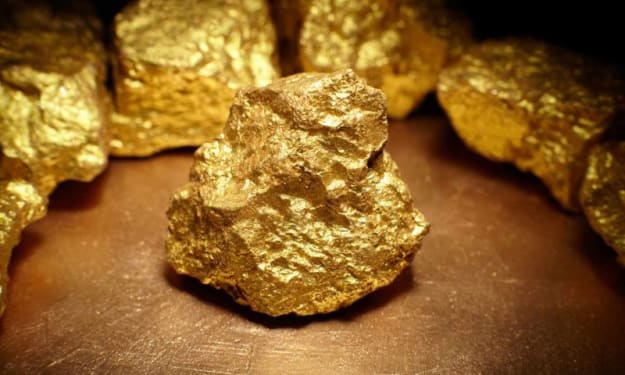
🌟 Scientists have discovered bacteria that produce gold. Bacteria with the Midas Touch! ✨In 2018, an international team of researchers uncovered the secrets of a bacterium called Cupriavidus metallidurans. It possesses exceptionally high toxicity levels and the remarkable skill of synthesising gold from natural compounds. But how does it manage to survive even after ingesting toxic metallic compounds?
By Rohina Bushra3 years ago in Earth
Plastic Avengers: Unleashing Africa's Power to Beat Plastic Pollution
Hey there, environmental superheroes! Get your capes ready because World Environment Day is just around the corner, ready to rally us all for the ultimate showdown against plastic pollution. This year, the battle cry is #BeatPlasticPollution, and Africa is stepping into the ring with its own unique challenges and innovative solutions. So, grab a seat and join us on this thrilling journey as we delve into Africa's waste management conundrum, explore the consequences of mismanaged waste, and uncover the potential solutions that could save the day.
By Chela Kikwai3 years ago in Earth
The World’s Most Grueling Race Journeys 1,000 Miles Down the Yukon
It’s not clear who first discovered the gold. Even that word “discovered” is a misnomer. The local Tlingit and Tagish tribes were both well aware of its presence along the river decades before Westerners started drawing it from the ground; they’d simply had no use for the stuff. Perhaps it’s better to say it’s not clear who first exploited the gold—who helped inspire some 100,000 prospectors to make the arduous trip to the Yukon Territory in northwest Canada, a migration that became known as the Klondike Gold Rush.
By Mark Xavier3 years ago in Earth
Early Apes Lived on Savannahs, Not in Forests
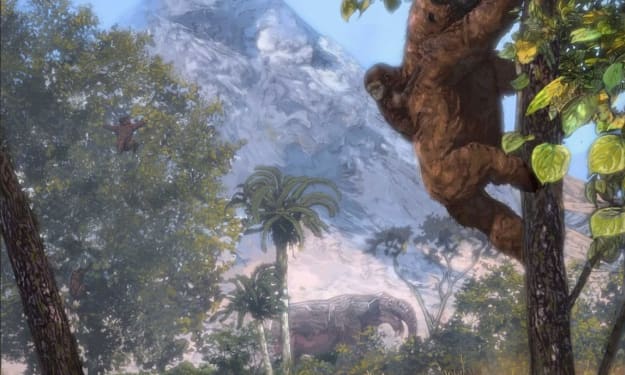
Apes were supposed to be tied to the trees. Around 21 million years ago, during a time paleontologists know as the Miocene, what’s now Uganda was thought to be a lush, humid forest where early apes clambered over canopy branches in search of fruit. But a pair of new studies have overturned the established view, changing the setting in which paleontologists think the first apes evolved.
By Mark Xavier3 years ago in Earth
‘Hard to be homeless in this heat’: India’s brutal summer is here
New Delhi, India- India has started experiencing what could be another extremely hot summer, similar to last year when the country saw a devastating heatwave that led to widespread human suffering and affected workplaces, informal workers, landless labourers, marginalised communities, agriculture, and the overall economy.
By Mark Xavier3 years ago in Earth
PAKISTAN
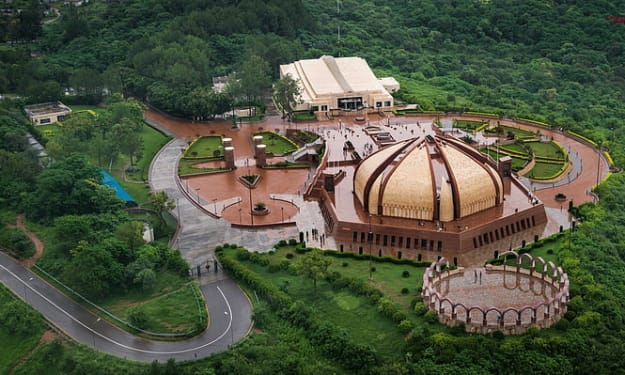
Once upon a time, in the heart of South Asia, there was a land of enchantment and beauty called Pakistan. Nestled between the towering peaks of the Himalayas and the serene Arabian Sea, this magical country was blessed with a diverse landscape that left visitors in awe.
By TAHA HUSSAIN3 years ago in Earth
Empowering Women: Key Catalysts for Climate Change Solutions
In a world where diverse perspectives are crucial to tackling the global challenge of climate change, empowering women emerges as a fundamental aspect of building a better future for both society and the environment. In this article, we will delve into four key ways in which empowering women can contribute significantly to solving climate change:
By Chela Kikwai3 years ago in Earth
How Much Does New York Actually Recycle?
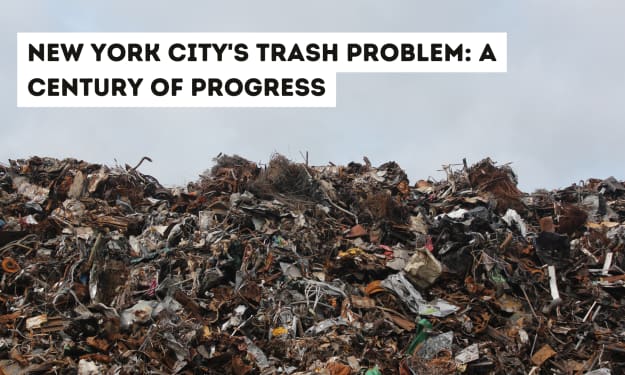
New York City is a city that prides itself on its sustainability, but when it comes to trash, it still has a long way to go. The city produces over 14 million tons of trash every year, and only about 50% of that is recycled. The rest is either incinerated or sent to landfills.
By Plantera Digital Media 3 years ago in Earth