Advocacy
Navigating the Storm
As the world grapples with the ever-increasing effects of climate change, a growing number of individuals, especially young people, are experiencing a profound emotional response known as climate anxiety or eco-anxiety. These individuals are coming of age in an era marked by uncertain climate futures, ecological crises, and a sense of impending doom. In this article, we'll delve into the emotional toll of climate anxiety and explore coping mechanisms and support systems that can help those affected find solace and take positive action.
By André Eseka3 years ago in Earth
The Pacific Nation
A secluded and idyllic paradise nestled in the vastness of the Pacific Ocean, the Pacific Islands are often associated with images of white sandy beaches, crystal clear waters and lush palm trees swaying in the wind. But behind this postcard facade lies a harsh and worrying reality. The existence of these island nations is threatened not by war or economic collapse, but by an insidious and ruthless enemy: climate change. In this essay, we travel to the year to explore the deeply disturbing phenomenon of the sinking nations of the Pacific Islands and reveal the devastating impact of rising sea levels on the lives and culture of the people living on these islands.
By Anthony Silver3 years ago in Earth
Navigating the Pandemic Divide
Title: "Navigating the Pandemic Divide: A Tale of Two Campaigns" In the heartland of America, amid the rolling plains and amber waves of grain, two small towns were worlds apart when it came to their response to the COVID-19 pandemic. In the lead-up to the 2022 midterm elections, these towns became microcosms of a nation deeply divided on how to confront the ongoing crisis.
By GlobalWorld3 years ago in Earth
Broken Faith
Broken faith is a profoundly human experience that transcends religious and spiritual realms. It is the shattering of trust, the collapse of belief, and the erosion of confidence. Whether it is faith in a higher power, in a person, in an institution, or in oneself, the fracture of faith leaves deep emotional scars and raises profound existential questions.
By Sada Elisha Damilola3 years ago in Earth
A Healthy Vermicompostor Doesn't Stink
I love my worm farm. That's probably weird, but I do love my worms. So making sure they are healthy is my number 1 priority. I have them on the back porch, up on a table to keep them away from the dogs, and any raccoons or opossums that might want to have themselves a wriggly snack.
By Hope Martin3 years ago in Earth
Climate Changes
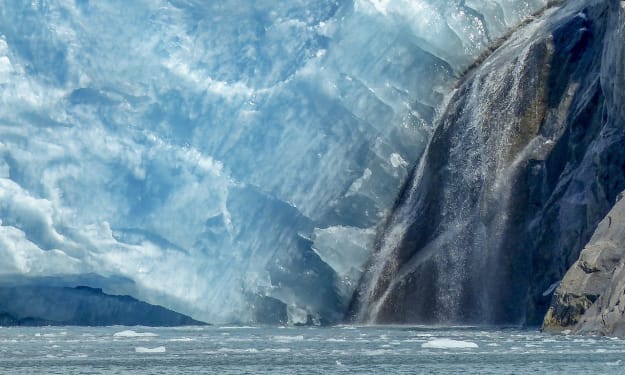
Climate change refers to long-term shifts in temperatures and weather patterns on Earth. It is primarily caused by human activities, such as the burning of fossil fuels and deforestation, which release greenhouse gases into the atmosphere. These greenhouse gases, including carbon dioxide, methane, and nitrous oxide, trap heat from the sun and prevent it from escaping back into space. This leads to a gradual increase in global temperatures, known as global warming. The consequences of climate change are far-reaching and impact various aspects of our environment and society. Rising temperatures contribute to the melting of glaciers and polar ice caps, resulting in rising sea levels. This poses a threat to coastal communities and ecosystems, as well as increasing the risk of flooding and coastal erosion. Climate change also affects weather patterns, leading to more frequent and intense extreme weather events such as hurricanes, heatwaves, droughts, and heavy rainfall. These events can have devastating impacts on communities, causing damage to infrastructure, agriculture, and human health. In addition to the physical impacts, climate change also has implications for biodiversity and ecosystems. Changes in temperature and precipitation patterns can disrupt ecosystems and alter the distribution and behavior of plant and animal species. This can lead to habitat loss, species extinction, and disruptions in the delicate balance of ecosystems. It's important to note that climate change is a global issue that requires collective action and solutions. Efforts to mitigate climate change involve reducing greenhouse gas emissions, transitioning to renewable energy sources, adopting sustainable land management practices, and promoting conservation and sustainable development. Adapting to the changes that are already occurring is also crucial, including implementing measures to protect vulnerable communities and ecosystems. *Melting Glaciers* Melting glaciers are a significant consequence of climate change and have far-reaching implications for the environment and communities around the world. Here are some key points about melting glaciers based on the search results: 1. *Causes of Melting Glaciers:* The primary cause of melting glaciers is the increase in global temperatures due to human-induced climate change. The burning of fossil fuels and the release of greenhouse gases into the atmosphere trap heat, leading to the warming of the planet. This, in turn, causes glaciers to melt. 2. Impact on Sea Level Rise: Melting glaciers contribute to rising sea levels. As glaciers melt, the resulting water flows into the oceans, causing them to expand. This phenomenon, along with the thermal expansion of seawater, is a major driver of sea level rise. 3. *Accelerating Melting:* Research shows that glacier melt has accelerated in recent decades. The rate of melting has increased, leading to more rapid changes in glacier size and volume. This acceleration is primarily attributed to the rising global temperatures. 4. *Consequences for Ecosystems and Habitats:* Melting glaciers have significant impacts on ecosystems and habitats. Glaciers serve as a crucial source of freshwater for rivers, lakes, and plants. The reduction in glacier volume affects water availability, alters water temperature and quality, and disrupts ecosystems that rely on glacial meltwater. 5. *Implications for Human Communities:* Melting glaciers pose risks and challenges for communities that rely on glaciers for freshwater supply, hydropower generation, and other economic activities. The loss of glacier-fed rivers can lead to water shortages, affecting agriculture, industry, and human settlements. 6. *Feedback Loop:* Melting glaciers also contribute to further warming of the planet through a feedback loop. As glaciers melt, they expose darker surfaces (rocks and soil) that absorb more sunlight, enhancing warming and further accelerating the melting process. 7. Mitigation and Adaptation: Addressing climate change and reducing greenhouse gas emissions is crucial for mitigating the melting of glaciers. Additionally, adaptation measures, such as improving water management strategies and developing alternative water sources, are necessary to cope with the impacts of melting glaciers. Melting glaciers are a significant consequence of climate change, driven primarily by rising global temperatures. The melting ice contributes to rising sea levels, impacts ecosystems and habitats, and poses challenges for human communities. Addressing climate change through mitigation and adaptation measures is essential to mitigate the effects of melting glaciers and protect vulnerable regions and populations. In conclusion, climate change is a complex and urgent issue that affects our planet and all living beings. It is caused by human activities and has wide-ranging impacts on the environment, weather patterns, ecosystems, and human societies. Addressing climate change requires global cooperation and concerted efforts to reduce greenhouse gas emissions and adapt to the changes that are already underway.
By Cheikh Baye Maarouf 3 years ago in Earth
A Heartbreaking Tale of Climate Change
Climate change has become an ever-increasing concern in our world today. The devastating impact it has on our environment, ecosystems, and ultimately, our lives, is becoming more apparent with each passing day. The once hopeful dreams of a sustainable future are now being overshadowed by the grim reality of a planet in distress.In recent years, we have witnessed extreme weather events, such as hurricanes, wildfires, and droughts, occurring with unprecedented frequency and intensity. Rising global temperatures, melting ice caps, and the alarming rate of species extinction have all become clear indicators of the dire consequences of climate change.The effects of climate change are not limited to the environment alone. They extend to various aspects of human life, including food security, public health, and economic stability. For many communities around the world, especially those in vulnerable regions, climate change has already become a daily struggle for survival.The urgency to address and mitigate the impacts of climate change has never been more pressing. Governments, organizations, and individuals alike must come together to take collective action. It is essential to not only reduce greenhouse gas emissions but also to adapt to the changes that are already occurring.In this heartbreaking tale of climate change, we will delve deeper into the challenges we face, the stories of individuals and communities affected, and the efforts being made to combat this global crisis. It is a call to action, an invitation to open our eyes and hearts to the reality of climate change, and a reminder that the fate of our planet lies in our hands.Join us as we explore the devastating consequences and potential solutions to this pressing issue, shedding light on the journey from hope to despair in the face of climate change.In the face of the increasingly dire consequences of climate change, it is crucial to hold onto hope and envision a sustainable future. Amidst the gloom and despair, there are inspiring stories that offer a glimmer of optimism and remind us of the power of human ingenuity and resilience.Imagine a world where renewable energy sources reign supreme, where solar panels adorn rooftops, and wind turbines gracefully spin in harmony with the breeze. In this vision of the future, cities are transformed into sustainable hubs, with green spaces, efficient public transportation systems, and innovative waste management solutions. The air is clean, and the waterways are free from pollution. People are connected to nature, and a harmonious coexistence with the environment is the norm.In this sustainable future, technology plays a pivotal role. Breakthroughs in clean energy generation, energy storage, and transportation revolutionize our daily lives. Electric vehicles dominate the streets, reducing carbon emissions and improving air quality. Smart grids efficiently distribute energy, optimizing consumption and minimizing waste. Innovative recycling methods and circular economy practices ensure that resources are conserved and reused, reducing the strain on the planet's finite resources.Furthermore, sustainable agriculture practices flourish, promoting organic and regenerative farming methods. Local and community-supported agriculture gains momentum, fostering a closer connection between consumers and the food they eat. Vertical farming and hydroponics enable year-round production while minimizing land use and water consumption. The emphasis shifts from mass production to quality, with a focus on nourishing both people and the planet.This vision of a sustainable future is not merely a utopian dream but a tangible possibility. Around the world, communities, organizations, and individuals are working tirelessly to make it a reality. Governments are implementing policies to incentivize renewable energy adoption and reduce greenhouse gas emissions. Businesses are embracing sustainable practices, recognizing the long-term benefits of environmental responsibility. Activists and change-makers are raising awareness, demanding action, and inspiring others to join the fight against climate change.While the challenges ahead may seem daunting, this story of hope reminds us that the power to create change lies within our collective actions. By embracing sustainable practices in our daily lives, advocating for policy changes, supporting renewable energy initiatives, and fostering a culture of environmental consciousness, we can pave the way towards a brighter, more sustainable future. It is up to us to turn this vision into a reality and ensure that our planet thrives for generations to come.
By Ettienne Engel3 years ago in Earth
Worlds Hunger Problems
Title: A Beam of Trust in the Shadows of Yearning In a little town settled in the midst of moving slopes, a long way from the clamoring urban communities and the extravagances of present day life, carried on with a little youngster named Amina. She had experienced childhood in reality as we know it where yearning was a steady friend, where every dinner was a valuable gift. Amina's family, in the same way as other others in her town, battled to put food on the table.
By Mayank ajnar 3 years ago in Earth
Whispers of Resilience
In the heart of the American West, where the sprawling mountains kissed the open plains, there existed a small, tight-knit community named Pinecrest. Its residents thrived amidst the breathtaking landscapes, forging strong bonds with both each other and the land they called home. It was a place of serenity and beauty, but beneath the idyllic exterior lay a tale of resilience, trauma, and hope.
By ADEOLA JOHN ADENIRAN3 years ago in Earth