
Sustainable Biochar Production: LCA Assessment and dMRV with Modern Biochar Equipment
Improving Biochar Credibility with Digital Monitoring
Biochar, a carbon-rich product obtained from biomass, is increasingly recognized as a sustainable tool for soil enhancement, carbon sequestration, and agricultural waste management. As governments and organizations push for carbon neutrality, biochar production has attracted attention not only as a renewable energy source but also as a climate mitigation strategy. However, producing biochar sustainably is not as simple as operating a pyrolysis machine. To ensure environmental benefits, producers must carefully evaluate their processes using tools like Life Cycle Assessment (LCA) and digital Measurement, Reporting, and Verification (dMRV), particularly when using modern biochar equipment.
Why Sustainability Verification Matters in Biochar Production
Biochar is often promoted as a carbon-negative product, meaning it can remove more carbon dioxide from the atmosphere than is emitted during its production and use. While this potential is significant, the actual carbon balance can vary depending on several factors, including:
- Feedstock type and sourcing
- Transportation distance
- Energy consumption during processing
- Pyrolysis technology efficiency
- Emissions control systems
- Biochar storage and application methods
Without accurate monitoring and evaluation, it can be difficult to determine whether a biochar project is truly delivering environmental benefits. As carbon markets mature and sustainability standards become more rigorous, producers must provide transparent and verifiable data. This has made LCA and dMRV increasingly important components of modern biochar operations.
Understanding LCA in Biochar Production
Life Cycle Assessment (LCA) is a systematic approach to quantify the environmental impacts of a product throughout its entire lifecycle, from raw material collection to final disposal or use. In biochar production, LCA assesses energy consumption, greenhouse gas emissions, water usage, and waste generation during feedstock preparation, pyrolysis, and biochar application.
For example, using agricultural residues such as rice husks, coconut shells, or corn stalks may reduce waste and enhance circular economy benefits. Yet, the transportation and drying of feedstock can contribute significant energy consumption. LCA helps identify these environmental hotspots, guiding producers to optimize feedstock selection, reduce energy use, and minimize emissions.
The Role of Modern Biochar Equipment
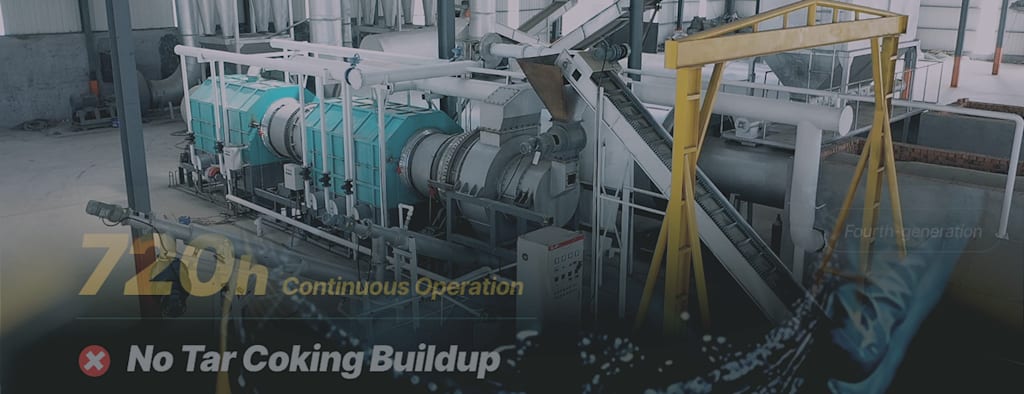
Modern biochar equipment represents a major leap forward in efficiency, safety, and sustainability. These machines often feature advanced pyrolysis technology with precise temperature and oxygen control, automated feeding systems, and continuous carbonization processes.
One major advantage of modern equipment is energy efficiency. By optimizing combustion and minimizing unburned carbon loss, these systems produce higher-quality biochar while reducing emissions of CO₂, CH₄, and particulate matter. Additionally, some equipment includes integrated sensors that monitor temperature, gas emissions, and energy consumption in real-time. This functionality not only improves operational control but also supports accurate data collection for both LCA and dMRV purposes.
Digital MRV (dMRV) for Transparency and Compliance
Digital Measurement, Reporting, and Verification (dMRV) is an emerging technology that leverages IoT sensors, cloud platforms, and blockchain to monitor and report environmental performance. For biochar producers, dMRV provides automatic tracking of energy use, feedstock input, emission levels, and biochar yield.
The benefits of dMRV are substantial. First, it ensures accurate and transparent reporting, which is essential for carbon credit programs or sustainability certifications. Second, it allows producers to validate the carbon sequestration potential of biochar, giving buyers confidence in the environmental claims. Third, dMRV enables continuous improvement by highlighting inefficiencies and areas for optimization in real-time, helping operations become more sustainable over time.
Synergy Between LCA and dMRV
Integrating LCA with dMRV creates a comprehensive sustainability framework. LCA identifies environmental impacts and improvement opportunities, while dMRV provides precise operational data to implement changes effectively. This combination allows producers to:
- Optimize energy consumption and feedstock handling.
- Validate carbon credits and sustainability claims.
- Continuously monitor production efficiency and environmental performance.
- Demonstrate transparency and commitment to green practices, strengthening market credibility.
The Future of Sustainable Biochar Production
As climate policies become more ambitious and carbon removal technologies gain recognition, biochar is expected to play an increasingly important role in global decarbonization efforts. However, long-term success will depend on the industry's ability to demonstrate measurable environmental benefits.
Modern biochar equipment, supported by rigorous LCA methodologies and advanced dMRV systems, provides a pathway toward credible and scalable carbon removal. These technologies not only improve operational efficiency but also help establish the transparency and trust needed for participation in carbon markets and sustainability initiatives.
Conclusion
Sustainable biochar production goes beyond converting biomass into a carbon-rich material. It requires a holistic approach that evaluates environmental impacts, ensures operational efficiency, and verifies carbon sequestration. Modern biochar equipment, when combined with LCA assessments and digital MRV systems, provides the tools to achieve these goals.
By investing in advanced equipment and digital monitoring, biochar producers can reduce emissions, optimize production, validate sustainability claims, and contribute meaningfully to climate mitigation. This integration of technology and environmental assessment represents the future of responsible, modern biochar production—efficient, transparent, and truly sustainable.
About the Creator
Enjoyed the story? Support the Creator.
Subscribe for free to receive all their stories in your feed.
Comments
There are no comments for this story
Be the first to respond and start the conversation.