
Sustainable Agriculture and Organic Farming: Nurturing India's Agricultural Landscape
Sustainable agriculture and organic farming are essential for India's agricultural landscape to thrive and meet the challenges of the 21st century.

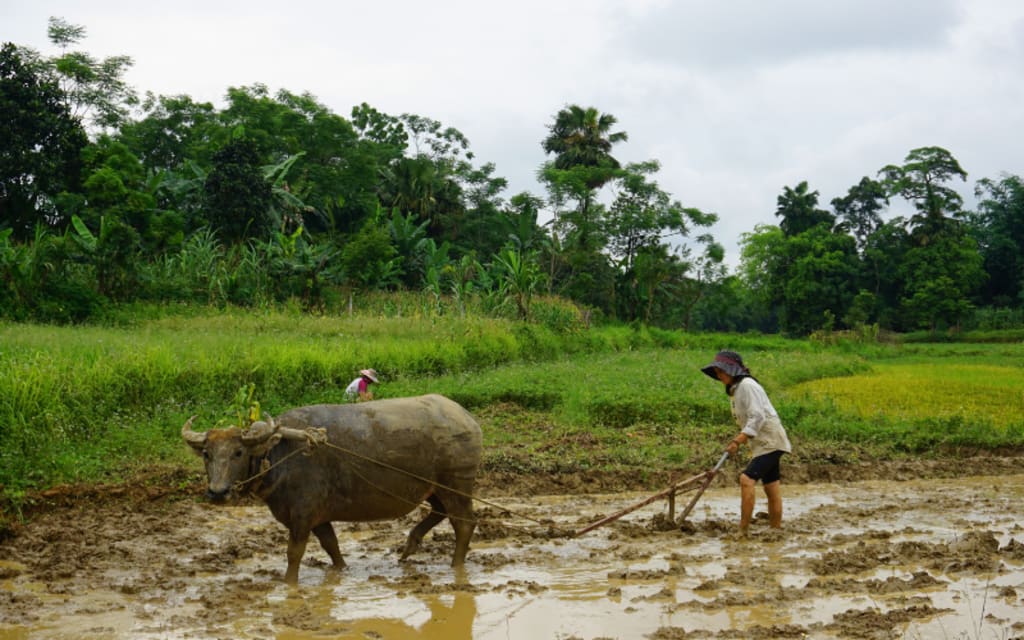
Introduction
India, with its rich agricultural heritage and a vast population dependent on farming, stands at the forefront of global agricultural development. As the world grapples with environmental challenges, the need for sustainable practices and organic farming has become increasingly vital. Embracing sustainable agriculture in India not only ensures the preservation of natural resources but also safeguards the health and well-being of its citizens. This article explores the significance of sustainable practices and organic farming in India and highlights initiatives aimed at promoting a greener and more prosperous agricultural sector.
The Importance of Sustainable Agriculture
Sustainable agriculture focuses on meeting present agricultural needs while safeguarding the ability of future generations to meet their own needs. In India, where agriculture plays a pivotal role in the economy and the majority of the population relies on farming for their livelihood, sustainable practices are crucial. Sustainable agriculture offers several benefits, including:
Conservation of Resources: Implementing sustainable practices helps conserve vital resources such as soil, water, and biodiversity. Practices like crop rotation, integrated pest management, and conservation tillage ensure the long-term fertility and productivity of the land.
Climate Resilience: Climate change poses significant challenges to agriculture, with increased frequency and intensity of extreme weather events. Sustainable agriculture practices, such as agroforestry, organic farming, and precision irrigation, enhance the resilience of farming systems against climate-related risks.
Health and Food Safety: Sustainable practices reduce the use of synthetic pesticides and chemical fertilizers, resulting in healthier produce with lower levels of chemical residues. This promotes better health for farmers, consumers, and the environment.
Organic Farming: Nurturing Nature's Bounty
Organic farming, a key component of sustainable agriculture, emphasizes the use of natural processes, biodiversity, and ecological cycles. India has a rich history of organic farming, deeply rooted in traditional agricultural practices. Organic farming offers several advantages:
Soil Health and Fertility: Organic farming promotes the use of organic matter, compost, and natural fertilizers, thereby improving soil structure, fertility, and moisture retention capacity. This leads to higher yields and sustained productivity over the long term.
Biodiversity Conservation: Organic farming encourages biodiversity by avoiding the use of synthetic chemicals and fostering natural ecosystems. Diverse flora and fauna support natural pollination, pest control, and overall ecological balance.
Climate Mitigation: Organic farming practices, such as agroforestry and carbon sequestration, contribute to mitigating climate change by reducing greenhouse gas emissions and promoting carbon storage in soils.
Initiatives Promoting Sustainable Agriculture and Organic Farming in India
India has recognized the significance of sustainable agriculture and organic farming and has taken substantial initiatives to promote these practices:
National Mission for Sustainable Agriculture (NMSA): Launched in 2010, NMSA aims to enhance productivity and resilience through sustainable agriculture practices. It focuses on water use efficiency, soil health management, and climate change adaptation.
Paramparagat Krishi Vikas Yojana (PKVY): This scheme promotes organic farming among small and marginal farmers by providing financial support for inputs, training, and certification. It aims to convert traditional farming systems into certified organic production units.
Jaivik Kheti Portal: The Government of India's online platform provides information, guidelines, and market access to organic farmers, facilitating organic certification and market linkages. It serves as a valuable resource for farmers transitioning to organic farming.
Farmer Producer Organizations (FPOs): FPOs are instrumental in supporting sustainable agriculture and organic farming. They provide collective strength to small and marginal farmers, enabling better access to inputs, technology, markets, and fair prices.
Some companies such as Agroniv are trying to change the scenario in the farming sector by providing superior quality organic agro products to the farmers.
Conclusion
Sustainable agriculture and organic farming are essential for India's agricultural landscape to thrive and meet the challenges of the 21st century. By implementing sustainable practices, conserving natural resources, and embracing organic farming methods, India can ensure the well-being of its farmers, protect the environment, and provide healthy and safe food for its growing population. The government's initiatives, coupled with active participation from farmers, researchers, and consumers, will pave the way for a greener and more sustainable future for Indian agriculture.
About the Creator
agro niv
Agroniv is an Agriculture Bio-Technology company in India. established in the year 2018 with the goal of achieving a revolution in the Agricultural Sector by manufacturing and supplying superior-quality
Enjoyed the story? Support the Creator.
Subscribe for free to receive all their stories in your feed.
Comments
There are no comments for this story
Be the first to respond and start the conversation.