
"Surviving the Wild: Essential Tips for Navigating Encounters with Nature's Most Formidable Creatures"
"Mastering the Wild: Proven Strategies to Outsmart Nature's Predators"
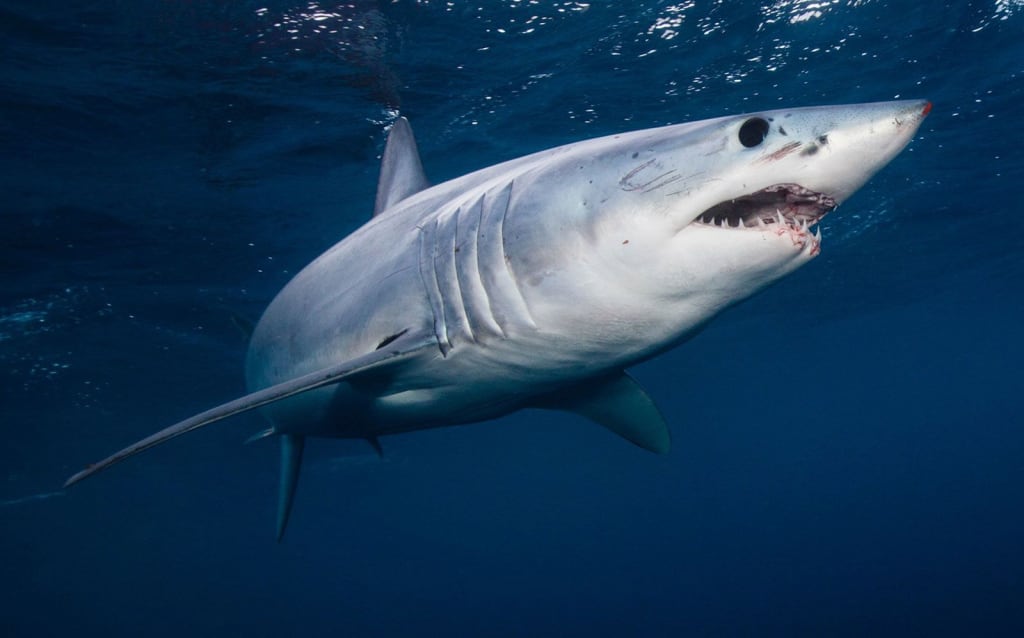
Encounters with wild animals can be fascinating, but they are also dangerous potentially, hence demanding awareness and preparedness for safety’s sake. Understanding the behavior of different species as well as what is the appropriate response greatly reduces these risks. Here is a detailed guide on how to confront wildlife:
Sharks
Despite their dreadful reputation, sharks hardly seek out humans deliberately. Most incidents take place due to curiosity or mistaken identity. Avoid swimming alone in dirty waters especially during dawn and dusk when sharks are more active. Keep composed once approached by one, not making any sudden moves and slowly moving back away. In case of an attack aim at sensitive areas like the eyes and gills. Use of shark repellent devices can also be helpful.
Kangaroos
Meeting kangaroos may become aggressive if they believe that there is danger imminent threat. To tone down a confrontation produce a gentle coughing sound pretending to be an ailment or weakness so that it communicates non-violence . Walk away very slowly without turning your back since fast movements might escalate their aggression further. They should be left alone; besides that, do not approach joeys because mothers get protective over them.
Lions
Lions are apex predators with territorial instincts that are found in the African savannah. When facing a lion, you can maintain eye contact without glaring at it staring aggressively. As you back off, very slowly lift your arms so as to look bigger. Running activates their instincts to hunt so do not run away. When talking be assertive and show dominance.
Elephants
Generally peaceful, elephants may become defensive when they feel threatened. If an elephant’s ears are flapping or its trunk is upraised, then it’s angry. Sudden moves must be avoided and you should keep away from them till safe distance is maintained. In such cases, get behind such a big barrier like a tree or a car if an elephant charges towards you. Do not go nearer to the wild elephant especially during the time of breeding.
Rhinoceroses
Be cautious around rhinos because they may react aggressively if they get a fright due to their poor vision. Stand still and don’t make sudden moves when you come across one. Shy away behind trees or any bulky things as a means of escaping from its charging. Rhinos have low speed so, moving sideways while under cover can often disorient them ultimately making them retreat.
Hippopotamuses
These large animals might appear shy but this is misleading since hippos are some of the most dangerous in Africa. They are territorial and during periods of drought when water sources dry up, they can become very aggressive. Avoid dense vegetation around water bodies where hippos may be resting during the day time. If there is danger, go for higher ground such as climbing up on a tree or jumping on a rock since it is less likely that the hippos will chase you uphill.
Bulls
Contrary to popular opinion, bulls do not see red color but instead become agitated by movement. Remain calm if approached by a bull and avoid sudden movements at all costs. Use an object like a garment or hat to distract the bull’s attention while taking slow steps away from it. Find higher ground or obstacles in case it becomes aggressive.
Jellyfish
The stings from jellyfish can be painful or even fatal sometimes. While swimming in the coastal areas reputed for harboring jellyfish, one may think of having a beach cover or using the repellents designed to keep off such sea creatures as jellyfish. If one is stung, it is recommended to rinse the area with salt water so that any remaining tentacles will not have any effect on it as opposed to fresh water which might lead to the worsening of the sting. Use of credit cards and anything like them can help scrape through any tentacles still attached.
Crocodiles/Alligators
These reptiles are stealthy predators commonly found both in fresh and salt water environments. Avoid swimming in places where there is knowledge about these reptiles and more especially during their most active time which is around dawn and dusk time. If attacked by alligator unexpectedly try aiming its eyes and throat. Make noise silently instead do not flatter this attracts their attention.
Snakes
Snakes live in various ecosystems which determine their behavior and venom potency greatly differs among them. To reduce risks of stepping on a snake, wear good boots and stick to crowded paths in open fields. In case you are bitten, stay calm as this slows down the rate at which venom spreads; therefore seek immediate medical attention thereafter. While walking through tall grass or thick vegetation that snakes tend to like, make sure you stamp your feet so as to warn them that you are close by but they should go away.
Bears
Use caution when dealing with any type of bear because they can behave unpredictably. Responses to humans vary among bear species, but one thing is certain—don’t approach them. Black bears generally retreat if they can see or hear you. Stand your ground and make lots of noise if a black bear comes too close. Grizzlies, however, may respond aggressively to an intrusion on their turf. Playing dead will often stop a defensive attack; fighting back may stop an aggressive or determined attack.
Gorillas
Generally gorillas are non aggressive but can respond defensively if they feel threatened or if you encroach their space. Always give a gorilla plenty of space and never make direct eye contact to the gorilla this is a challenge. If a gorilla charges or displays aggression do not make any sudden movements and retreat slowly, without turning your back on it. If attacked, curl into a ball to protect your head.
Bees
Bees are usually not aggressive but they will sting to protect their hive and territory. Wear light-colored clothing and avoid using scented products when in areas where bees are active. If swarmed, seek shelter indoors or in a vehicle. Do not swat bees it only makes them angry! If stung, remove the stinger as quickly as possible by scraping it out with a knife or credit card.
These are basic tips for people travelling to the wilderness and potentially coming into contact with wildlife. I think the more one understands how animals behave and reacts accordingly you reduces your risk of having a dangerous situation happen, while in nature. Safety first and respect for all animals will allow us to share their habitat.
Here are some guidelines on how to deal with these encounters safely should they occur.
About the Creator
Enjoyed the story? Support the Creator.
Subscribe for free to receive all their stories in your feed.
Comments
There are no comments for this story
Be the first to respond and start the conversation.