
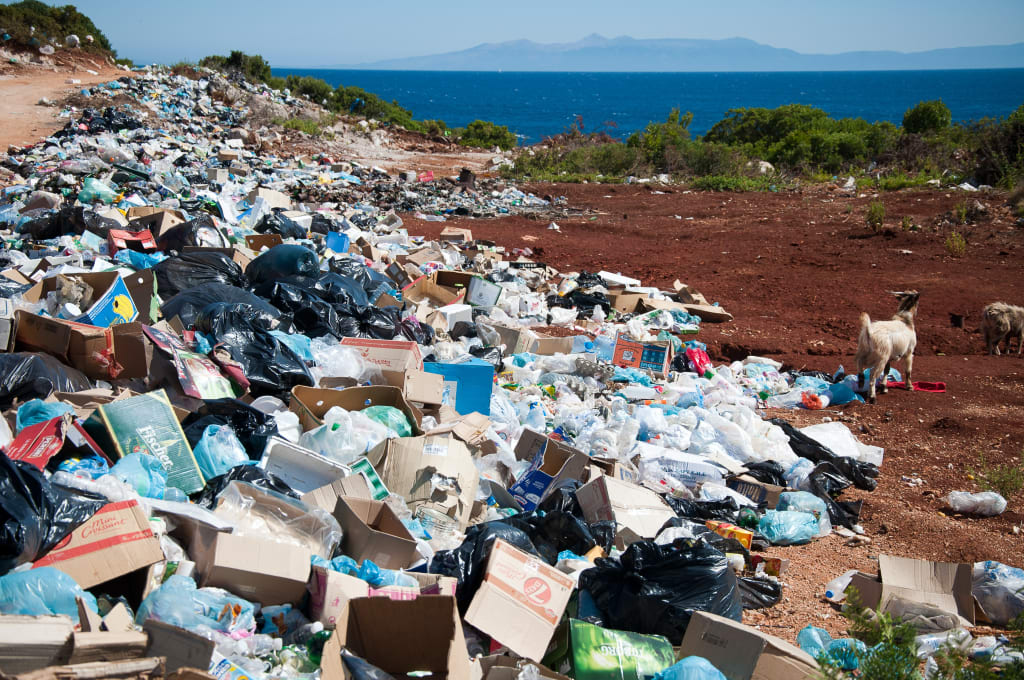
Soil, the foundation of life, is an invaluable resource that sustains agriculture, supports ecosystems, and filters water. However, in recent years, soil pollution has emerged as a grave environmental concern, silently degrading this essential natural asset. Soil pollution, caused by human activities, has far-reaching consequences for the environment, human health, and the future of sustainable development. This article delves into the causes, impacts, and potential solutions to tackle this insidious threat.
Causes of Soil Pollution:
Soil pollution arises from a multitude of sources, primarily human activities that introduce harmful substances into the soil. Industrial activities, improper waste disposal, agricultural practices, and the use of pesticides and fertilizers are major contributors. Industrial discharges, such as heavy metals, toxic chemicals, and radioactive materials, can contaminate soil, persist for long periods, and eventually find their way into the food chain. The extensive use of chemical fertilizers and pesticides in agriculture has adverse effects on soil health, altering its composition and reducing its fertility.
Impacts on the Environment:
Soil pollution poses a significant risk to environmental sustainability. The contamination of soil disrupts the delicate balance of ecosystems by negatively affecting soil microorganisms, plants, and wildlife. Soil organisms, vital for nutrient cycling and maintaining soil structure, can be harmed or completely eliminated by pollutants. These disruptions cascade up the food chain, affecting the biodiversity and stability of entire ecosystems. Moreover, contaminated soil can leach pollutants into water bodies, polluting groundwater and surface water sources, leading to further ecological damage.
Impacts on Human Health:
The implications of soil pollution for human health are alarming. Contaminated soil can transfer pollutants to crops, thus entering the food chain. Consuming food grown in polluted soil can lead to the accumulation of toxic substances in the human body, causing a range of health problems, including cancer, neurological disorders, respiratory issues, and birth defects. Furthermore, contaminated dust particles from polluted soil can be inhaled, posing additional health risks to communities living in close proximity to polluted areas.
Potential Solutions:
Addressing soil pollution requires a multi-faceted approach involving governments, industries, and individuals. Some potential solutions include:
Sustainable agriculture practices: Promoting organic farming methods, crop rotation, and integrated pest management reduces the reliance on chemical inputs and helps maintain soil health.
Proper waste management: Ensuring proper disposal and treatment of industrial waste, hazardous substances, and electronic waste prevents their entry into the soil.
Soil remediation techniques: Implementing soil remediation strategies, such as phytoremediation (using plants to extract contaminants), bioremediation (using microorganisms to degrade pollutants), and soil washing, can help restore polluted soil.
Education and awareness: Educating communities about the dangers of soil pollution and promoting responsible practices, such as composting, waste reduction, and recycling, can foster a culture of environmental stewardship.
Policy interventions: Governments should enforce strict regulations and incentives to encourage industries to adopt cleaner production methods, minimize waste generation, and promote the remediation of contaminated sites.
Conclusion:
Soil pollution presents a significant threat to our environment, food security, and public health. Recognizing the urgency of the issue, concerted efforts must be made at various levels to address this silent menace. By adopting sustainable practices, implementing proper waste management systems, and investing in soil remediation technologies, we can protect our soil, safeguard our ecosystems, and secure a healthier future for generations to come. It is our collective responsibility to nurture and preserve this precious resource upon which our very existence depends.
About the Creator
Enjoyed the story? Support the Creator.
Subscribe for free to receive all their stories in your feed.
Comments
There are no comments for this story
Be the first to respond and start the conversation.