
Revolutionizing Agriculture in India: The Growing Scope of Natural and Organic Farming
The scope of natural and organic farming in India holds tremendous promise for transforming the agricultural landscape.

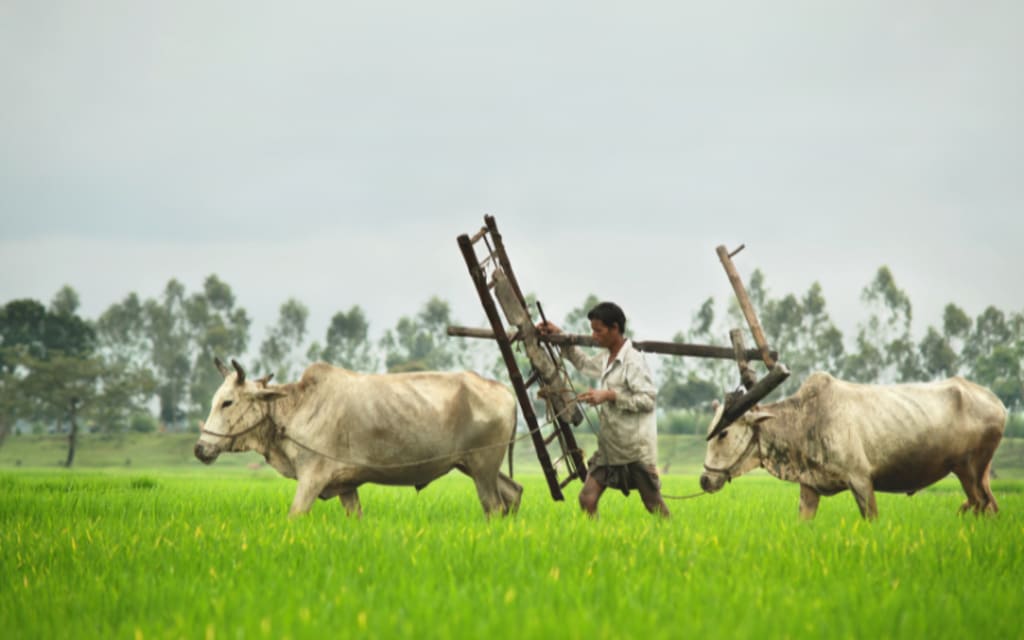
Introduction:
Agriculture has long been the backbone of the Indian economy, employing a significant portion of the population and contributing to the nation's food security. In recent years, however, the agricultural sector has witnessed a significant shift towards natural and organic farming practices. This article explores the scope of natural and organic farming in India, highlighting its potential to transform the agricultural landscape and promote sustainable practices.
The Importance of Agriculture in India:
India's agricultural sector plays a vital role in the country's socio-economic fabric. It provides employment opportunities to more than 50% of the rural population and contributes approximately 17% to India's Gross Domestic Product (GDP). Furthermore, agriculture sustains the food security of over 1.3 billion people.
Challenges in Conventional Farming:
Conventional farming practices in India have traditionally relied on the heavy use of synthetic fertilizers, pesticides, and genetically modified crops. While these methods have increased crop yields, they have also led to various challenges, including environmental degradation, soil erosion, water pollution, and a decline in biodiversity. Additionally, the excessive use of chemical inputs has raised concerns about the long-term health implications for farmers and consumers.
Natural Farming: A Sustainable Alternative:
Natural farming, also known as organic farming, is gaining momentum as a sustainable alternative to conventional practices. It emphasizes the use of natural inputs, such as organic manure, compost, biofertilizers, and biopesticides, to maintain soil health, enhance crop productivity, and reduce environmental impact. Natural farming techniques focus on promoting biodiversity, conserving water resources, and preserving the natural fertility of the soil.
Scope and Benefits of Natural Farming in India:
Environmental Sustainability: Natural farming practices reduce the negative impact on the environment by minimizing the use of synthetic chemicals, conserving water, and protecting biodiversity. This approach contributes to mitigating climate change, preserving soil health, and maintaining ecological balance.
Health and Nutrition: Organic farming emphasizes the production of chemical-free, nutritious food. By eliminating the use of synthetic pesticides and fertilizers, natural farming reduces the risk of pesticide residues in crops, ensuring safer and healthier food for consumers.
Economic Opportunities: The growing global demand for organic products presents a significant economic opportunity for Indian farmers. Organic farming offers higher price premiums for organic produce, opening avenues for improved incomes and enhanced market access for small and marginal farmers.
Soil Health and Productivity: Natural farming methods focus on building and maintaining soil fertility through organic inputs and techniques such as crop rotation, mulching, and vermicomposting. These practices enhance soil structure, nutrient availability, and water-holding capacity, leading to improved crop productivity and long-term sustainability.
Sustainable Rural Development: Natural farming promotes sustainable rural development by empowering farmers, reducing input costs, and enhancing their resilience to climate change. It encourages the use of local resources, knowledge-sharing, and community participation, strengthening the social fabric of rural areas.
Government Initiatives and Future Prospects:
Recognizing the potential of natural farming, the Government of India has launched various initiatives to promote organic agriculture, including the Paramparagat Krishi Vikas Yojana (PKVY) and the Organic Value Chain Development for the North Eastern Region (OVCDNER). These initiatives aim to facilitate the adoption of organic farming practices, provide training and financial support to farmers, and develop organic markets.
The future of agriculture in India lies in sustainable practices like natural farming. As awareness about the benefits of organic produce increases, consumer demand for chemical-free food continues to grow. By investing in research, infrastructure, and capacity-building, India can tap into the vast potential of natural farming, creating a more sustainable and resilient agricultural sector.
Some companies such as Agroniv are trying to change the current scenario in India by providing superior quality organic agro products to farmers.
Conclusion:
The scope of natural and organic farming in India holds tremendous promise for transforming the agricultural landscape. With its focus on sustainability, environmental preservation, and improved health outcomes, natural farming offers a viable alternative to conventional practices. By embracing organic farming, India can not only ensure long-term food security but also foster rural development, enhance farmer incomes, and contribute to a greener and healthier future.
About the Creator
agro niv
Agroniv is an Agriculture Bio-Technology company in India. established in the year 2018 with the goal of achieving a revolution in the Agricultural Sector by manufacturing and supplying superior-quality
Enjoyed the story? Support the Creator.
Subscribe for free to receive all their stories in your feed.
Comments
There are no comments for this story
Be the first to respond and start the conversation.