
Replacing Pineapple Skins with Soap?| From Wasted to Useful|
From Wasted to Useful
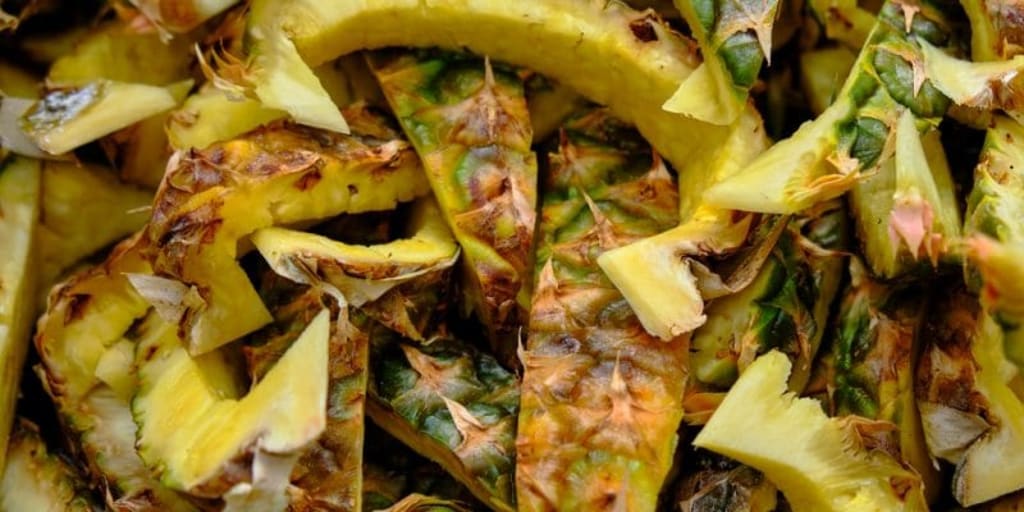
In 50 % of cases, the skin and core of a pineapple end up in the garbage after you eat it. composting them is one option, but there isn't always enough space for this in many places. Some companies turn fruit scrap into natural soaps and cleaners.
The founder of DUI Huang says they're safer for the planet and people, so he drinks the stuff every day. Fermented fruit is part of a new trend cleaning with enzymes instead of harsh chemicals--does it actually work throughout history? People have used all sorts of stuff to wash up everything from animal fat to human urine in the early 20th century. Scientists figured out how to make suds in a lab using fossil fuels that paved the way for all kinds of synthetic gels, powders, and cleaning chemicals--all detergents. So much whiter she can actually see the difference instantly! But they were full of stuff that water treatment plants weren't built to clean out like phosphorus and nitrogen.
When these substances overflow into waterways, they have the potential to accelerate the growth of algae, resulting in the formation of dense layers of muck that suffocate the aquatic life beneath. This unfortunate phenomenon occurred in North America during the 1960s, leaving Lake Erie nearly devoid of biological activity today. The pollution caused by detergents has since spread across the globe, leading to the foaming up of rivers and the proliferation of excessive algae growth. Biotechnology companies are now placing their bets on fruit cleaners as the next innovation in cleaning products.
One such company, named Fua, derives its name from the term "fruit warrior." Fua purchases discarded fruit from a factory that specializes in canning pineapples. Every day, the diligent workers at this factory chop thousands of pineapples, resulting in a substantial pile of waste. Previously, this waste would decay in nearby landfills, emitting unpleasant odors and methane, a potent greenhouse gas that contributes to global warming. However, the workers now load these fruit scraps onto a truck and transport them approximately two miles to the production site.
At the production site, the team unloads the fruit skins and proceeds to cleanse them through a thorough washing process.
In the production process, the initial step involves the combination of the primary ingredients: sugar and water. Fua utilizes approximately two metric tons of sugar on a monthly basis. Workers then add pineapple peels to the sugar water mixture and patiently wait for fermentation to occur. Fermentation is a natural process where microorganisms such as bacteria or yeast break down complex molecules like sugar into simpler substances, including alcohol. This process is responsible for transforming barley into beer and grapes into wine. In the case of Fua, fermentation is the key to transforming waste into effective cleaning fluids. However, it is not the alcohol content that holds the secret; rather, it is the enzymes and acids released by the pineapples.
Enzymes are molecules that accelerate chemical reactions, similar to how digestion occurs in the human body. Certain enzymes possess the ability to combat germs by invading cells and breaking them down from within. This action can either eradicate bacteria or slow down their growth to a point where they are unlikely to cause illness. However, in order to obtain these germ-fighting enzymes from plants, it is necessary to ferment the right combination of ingredients for an optimal duration. At Fua, the workers diligently stir the mixture every day. After approximately one month, the mixture begins to exhibit signs of fermentation. By the end of two months, a conglomerate of bacteria and microorganisms forms, indicating the progress of the fermentation process.
The founders of Fua do not keep their production process a secret. In fact, Huang, a scientist and Buddhist nun who discovered the formula, freely shared it with others for their benefit. Once the mixture has fermented for three months, it contains sufficient acid and enzymes to function as a cleaner. At this stage, the mixture is ready to undergo filtration. The remaining solids serve as fertilizer for nearby farms, while the liquid serves as the foundation for all the products Fua creates. Fua sources essential oils from local farmers who extract them from agricultural waste such as stems and leaves. The final product is then bottled and distributed to mini marts throughout Vietnam, as well as online customers worldwide. A single bottle of Fua dish soap is priced just above two dollars, which is lower than the cost of similar imported products.
To ensure the quality of their products, Fua operates an on-site laboratory where they conduct tests on their own products as well as competitors'. These tests include measuring the pH levels and detecting any additional additives. Cleaning with fermented fruit is a relatively new concept, but there is promising evidence to suggest its potential. Researchers have compared a pineapple enzyme mixture to a bleach and water solution and found that it effectively kills one type of bacteria. Furthermore, preliminary studies indicate that fruit enzymes may even contribute to cleaner wastewater. While traditional chemical cleaners like bleach have a proven track record of germ-killing, they come with associated risks. These risks include skin irritation and respiratory issues, such as asthma. When used and stored correctly, chemical cleaners are generally safe for most individuals. However, the incorrect mixing of bleach with certain cleaners can result in the production of deadly gas, which occurs thousands of times per year in the United States.
This leads us to question whether fermented pineapples could potentially replace household bleach and detergents in the future. To explore this possibility, we sought the opinion of an expert. Surprisingly, the expert expressed optimism and believed it to be entirely possible. However, the expert also emphasized the need for further research, as the effectiveness of enzyme cleaners has only been tested on a limited number of bacteria. Therefore, a wide range of studies involving various microorganisms is necessary to ensure its efficacy. Additionally, enzyme cleaners present a challenge in terms of shelf life. Shelf life becomes a crucial factor affected by temperature, as certain conditions may deactivate the enzymes. Fua claims that their products can maintain their effectiveness for approximately two years, which is comparable to the lifespan of most chemical cleaning sprays. Nonetheless, Fua acknowledges that there is still more work to be done in this area.
While Fua has an abundance of pineapple waste to work with due to the extensive pineapple processing in the region, the founders' primary goal is to raise awareness about the availability of a gentler alternative. They are eager to spread the word and encourage individuals to consider using environmentally friendly and effective cleaning products like those offered by Fua.
About the Creator
Enjoyed the story? Support the Creator.
Subscribe for free to receive all their stories in your feed.
Comments