
Rare and Endangered Species in South Ameirca
Wildlife

Andean Condor
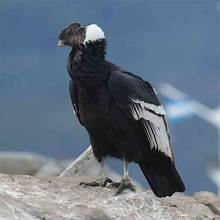
These are majestic birds that can live over 70 years in the wild. They have the largest wingspan of any land bird and can soar for hours without flapping their wings high over the Andean mountains. These birds reproduce slowly, and female condors typically lay one egg every two years. Andean condors were revered by indigenous cultures as messengers to the gods. They are threatened by habitat loss, poisoning, and hunting. Conservation programs are working to reintroduce captive-bred condors to boost wild populations.
Blue-Throated Macaw
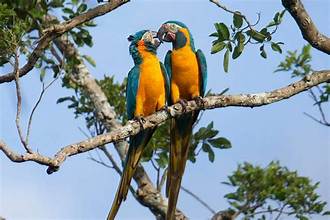
These macaws are known for their brilliant blue plummage. They are found only in a small region of northern Bolivia, and fewer than 400 remain in the wild. Mostly due to decades of trapping for the pet trade. Blue-throated macaws are social birds that form strong pair bonds lasting for life. They nest in the cavities of palm trees in the Beni savanna, an ecosystem combining grasslands with islands of palm forests. Conservation efforts include building artificial nest boxes and working with local communities to protect the birds.
Darwin’s Fox
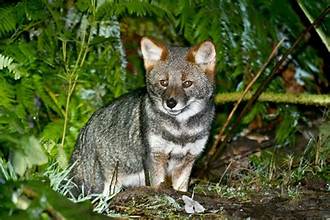
These foxes were discovered by Charles Darwin in 1834. They are dark-furred and one of the most elusive canids on Earth. There are fewer than 1000 individuals left, with most of them living on Chiloe Island off Chile’s coast. There is also a small mainland population in the rainforests. Darwin’s foxes have adapted to living in dense, humid forests where they hunt for small mammals, insects, and berries. These foxes are active both day and night. They are threatened by logging, road construction, and attacks by domestic dogs.
Giant Armadillo
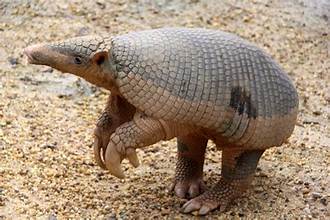
Giant armadillos are the rarest mammals in South America. They are the size of small pigs and can weigh in up to 70 pounds. These armadillos have powerful claws that allow them to tear through termite mounds and ant nests. They are nocturnal diggers and create huge burrows. Due to habitat destruction and hunting, giant armadillos have become an endangered species. There are fewer than 10,000 of them left in the wild.
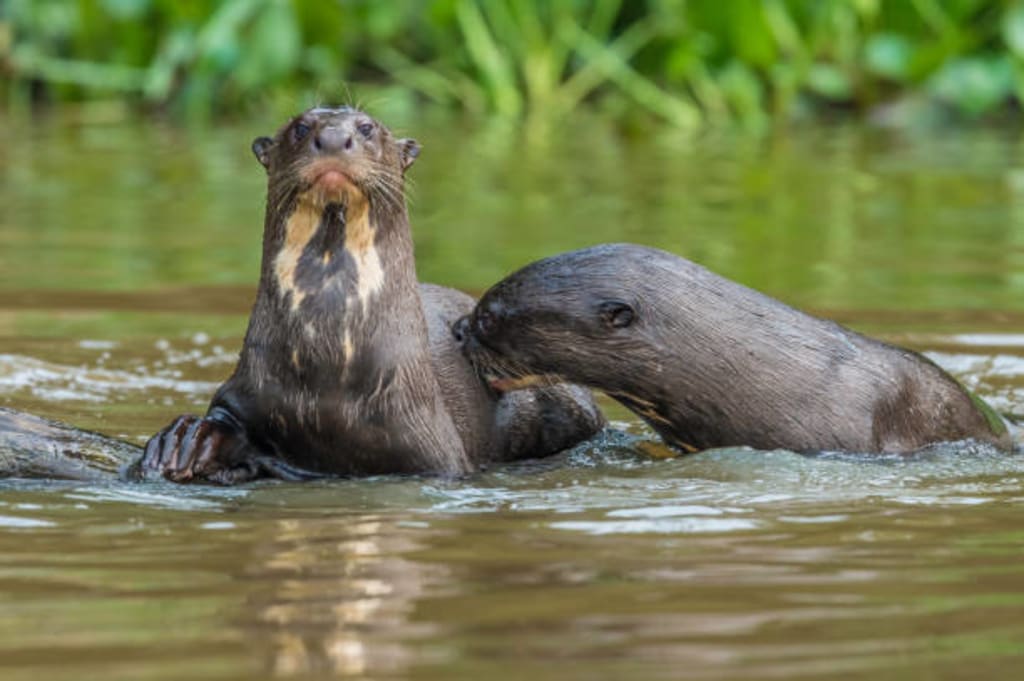
Giant Otter
Giant otters, up to 6 feet long, are the largest otters on Earth. These are social animals living in family groups of up to 20 individuals. Giant otters are very vocal and make use of 9 different calls to communicate to family members. They have distinctive white throat patches, which are unique on each otter. They have been endangered by mercury pollution from gold mining, habitat destruction, and conflicts with fishermen. Their population has been reduce to fewer than 5,0000.(pictured above)
Once common throughout the Amazon Basin, they’ve disappeared from much of their former range in Brazil, Colombia, and Venezuela.
Golden Lion Tamarind
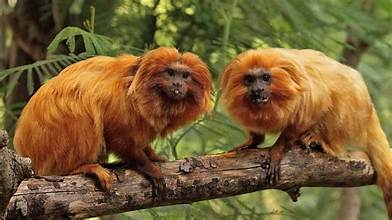
Golden lion tamrinds are so beautiful with their expressive faces and fiery orange manes. These are small monkeys but make a big impact on forests by spreading seeds and controlling insects. They are found only in tiny regions of the Atlantic forest in Brazil. They have lost their habitat to logging and development, and fewer than 200 remained, but conservation efforts brought the numbers up to around 3,200. Golden lion tamarins live in family groups led by a breeding pair, with older siblings helping to raise the younger ones.
Jaguar
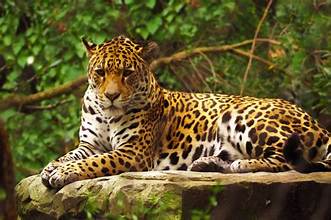
Jaguars are the largest cats in the Americas and recognizable for their spotted coats. Each jaguar has a unique spot pattern. These cats love water and are great swimmers. At one time they ranged from Argentina to the southern US but have lost over 50% of their range. Jaguars are threatened by deforestation of the Amazon rainforest, and fewer than 15,000 remain in the wild.
Orinoco Crocodile
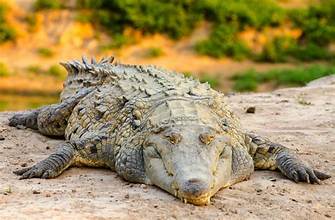
Orinoco crocodiles stretch up to 20 feet long and once ruled the rivers of Venezuela and Colombia. Unfortunately, they are threatened by aggressive hunting for their valuable skins. Today fewer than 1,500 adults remain in the wild. Orinoco crocodiles are the largest predators in South America. They are known to dig burrows in riverbanks during the dry season. Female crocs are devoted mothers and guard their nests fiercely and carry newly hatched babies gently in their massive jaws to the water.
Pink River Dolphin
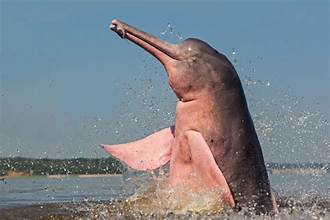
Swimming in the Amazon River, the pink river dolphin is an amazing pink color. Adult males develop a vibrant pink color. These unfortunate dolphins face such challenges as dam construction blocks and mercury poisoning from illegal gold mining. Pink River dolphins have the largest brain-to-body ratio of any dolphin species, so they are incredibly intelligent. These dolphins use echolocation to find prey in the Amazon.
Spectacled Bear
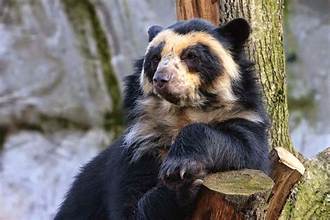
Spectacled bears dwell in the cloud forests and paramos of the Andes Mountains. They get their name from the light-colored rings around their eyes looking like glasses. These bears spend most of their time in trees eating fruit and berries and, at time depending on availability, small animals. Since they are a threat to local farmers, their population has dropped below 10000 in the wild. Unlike bears in the northern parts, spectacled bears don’t hibernate; they build leafy platforms in trees where they rest and feed.
About the Creator
Rasma Raisters
My passions are writing and creating poetry. I write for several sites online and have four themed blogs on Wordpress. Please follow me on Twitter.
Enjoyed the story? Support the Creator.
Subscribe for free to receive all their stories in your feed. You could also become a paid subscriber, letting them know you appreciate their work.
Comments
There are no comments for this story
Be the first to respond and start the conversation.