
Rare and Endangered Animals of North America
Wildlife

Black-Footed Ferrets
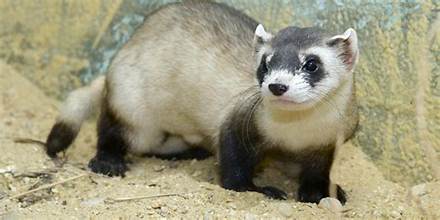
There are only believed to be 206 mature black-footed ferrets in the wild as of 2025. Prairie dogs are the primary source of food for these creatures with characteristic black markings. Due to burrow damage to fields, farmers and ranchers were permitted to kill prairie dogs during the 20th century, which almost completely eradicated the black-footed ferret population.
The species, which was once widespread across the Great Plains from southern Canada to northern Mexico, went extinct in the wild in the 1980s. However, conservation efforts were successful in reintroducing populations in eight western US states and Chihuahua, Mexico; as of 2015 there were over 200 mature black-footed ferrets in the wild across 18 sites.
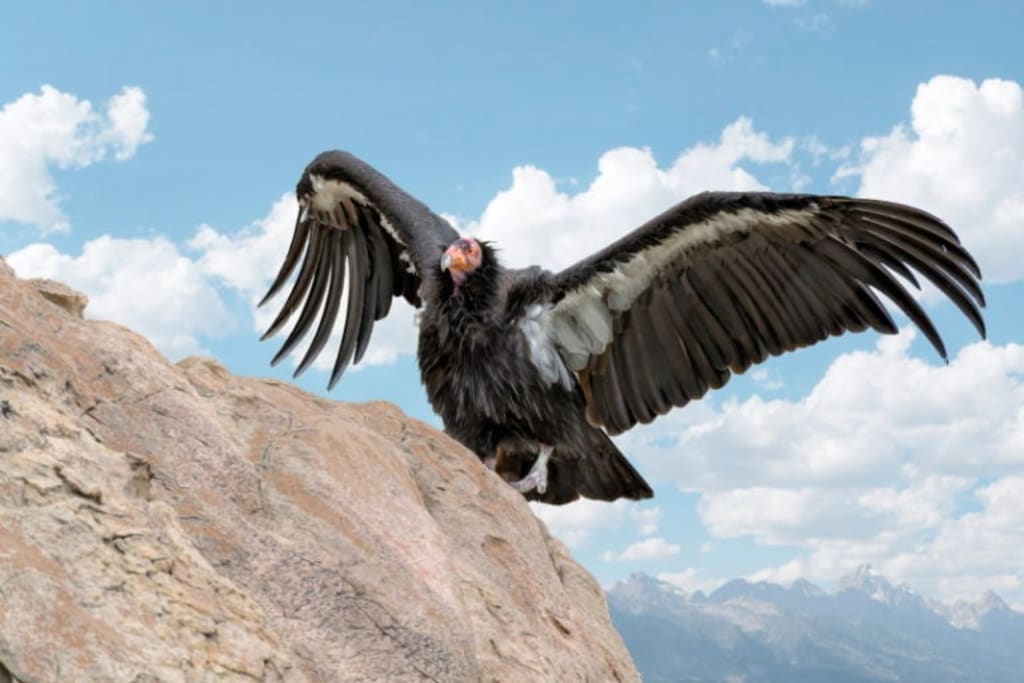
California Condors
In the 1980s, there were only roughly six California condors remaining in the wild, making it the largest known wild bird in North America. Only 22 birds survived in 1985 after they consumed bullet fragments from carcasses they scavenged and died from lead poisoning. The program for captive breeding has been incredibly effective. (pictured above)
In the early 2000s the number of California condors rose from 6 to 223, and currently there are over 4000 of these birds in the wild. They do continue to be threatened by human-caused mortality, such as collisions with power wires. But the resurgence of these birds demonstrates the effectiveness of conservation.
Dusky Gopher Frogs
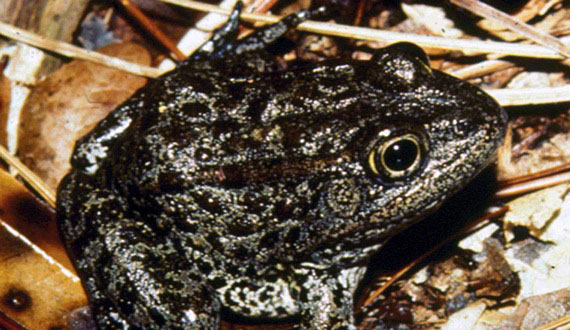
The dusky gopher frog, which inhabits Mississippi’s boggy wetlands and forests in the Deep South, is currently listed as critically endangered. As of 2021, there are thought to be fewer than 50 of these frogs left. They have black, gray, and brown warty bodies with yellowish underbelly, and they defend themselves by shooting bitter fluid from their backs. Rising temperatures, off-road vehicles, and disease-related habitat loss are some of the dangers they face.
Each breeding season is important. The preservation of each wetland could mean the difference between survival and extinction. As of 2001, these frogs have been classified as endangered, with only 100 to 250 remaining in the wild.
Florida Mantees
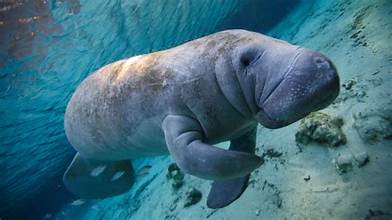
Despite prior successes in conservation, Florida’s gentle giants, manatees, have seen a catastrophic fall in recent years. Today less than 10,000 manatees remain in Florida waterways, and between 2020 and 2022, over 2,500 perished primarily from malnutrition brought on by the loss of seagrass. Their main food source is seagrass, and its disappearance has caused a serious catastrophe.
Over a thousand seagrass beds in their feeding ground have been devastated by water pollution from industry and urban expansion, forcing wildlife officials to feed the animals by hand in an unprecedented move.
Manatees primarily forage on seagrasses such as eelgrass (Halodule wrighti) and turtle grass (Syringodium filiforme), which are abundant in Florida's coastal waters. Restoration projects in areas like Tampa Bay aim to recover seagrass beds, which are critical for wintering manatees.
Kemp’s Ridley Sea Turtles
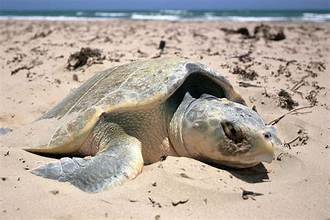
Kemp’s ridleys are the smallest and most endangered sea turtles in the world; in 1947, 42,000 of them were seen breeding on a single Mexican beach. Only 702 nests were discovered throughout their whole nesting range by 1985. Only 22,341 are thought to be in the wild today, and they are in grave danger because of fishing gear and bycatch, habitat destruction from rising sea levels, and increasingly contaminated oceans.
For decades, officials in the US and Mexico have labored to protect these turtles, creating a network of reserves, such as Rancho Nuevo Beach where turtles can securely breed.
North Atlantic Right Whales
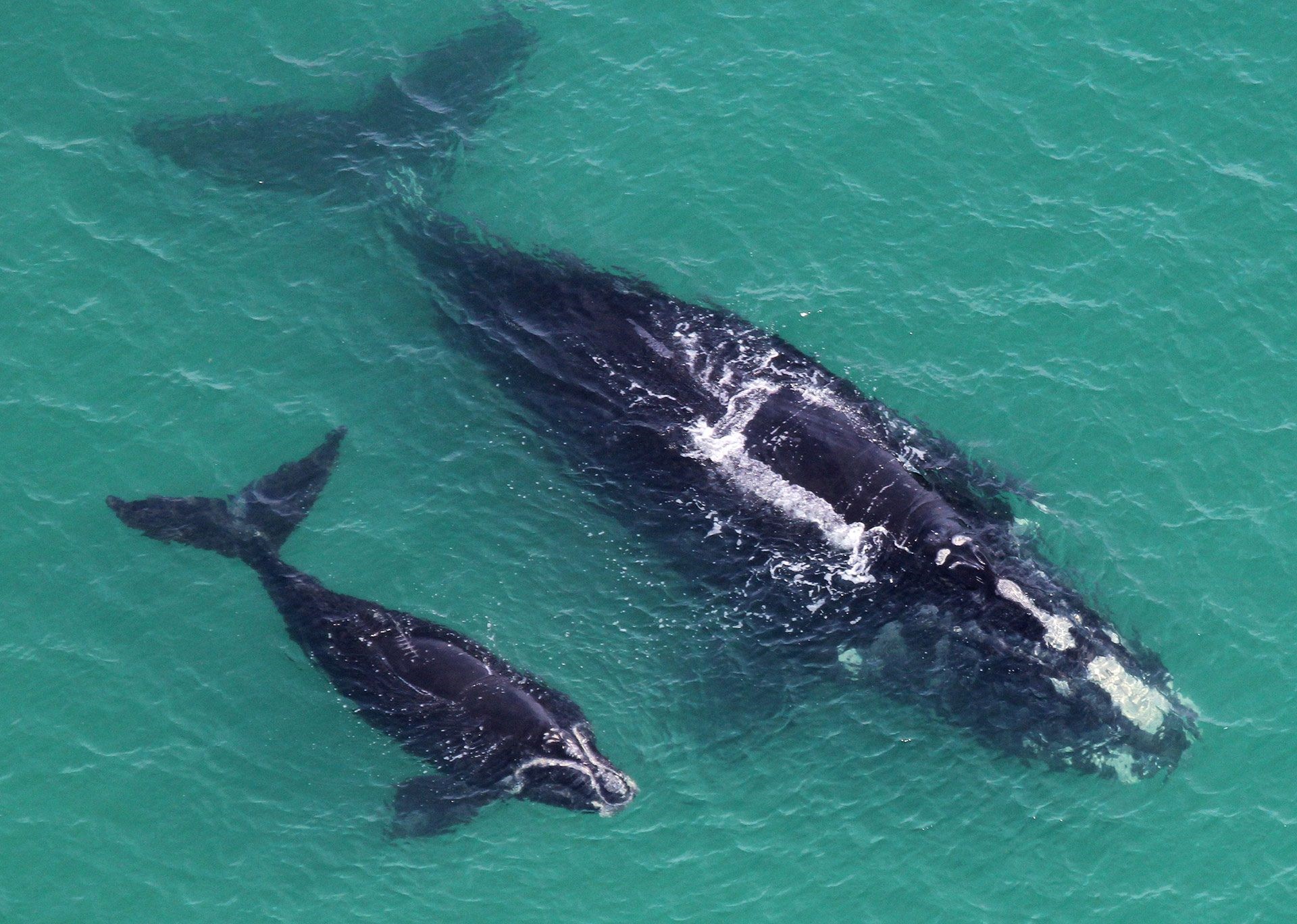
There are just about 370 North Atlantic right whales left as of 2025, and only 70 of them are females of reproductive age. Despite being nearly 50 feet long and weighing up to 70 tons, these enormous sea mammals provide little defense against contemporary dangers.
These whales are extremely vulnerable to ship strikes and entanglement in fishing gear, particularly from crab and lobster traps. When whales become entangled in thick fishing line, the weight wears them down, and they frequently die slowly from tiredness.
Their typical habitats have been altered by climate change, putting them in closer proximity to fishing and shipping lines. Although there are solutions, such as ropeless fishing gear, their mainstream adoptions are still incredibly slow.
Red Wolves
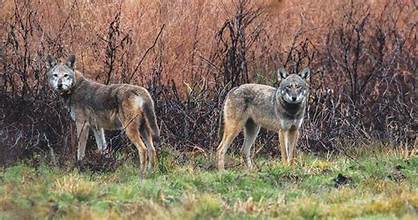
Less than twenty red wolves remain in the wild in a little area of eastern North Carolina, making them the most endangered wolf species in the world. Before being hunted almost to extinction by the 1970s, these dogs used to inhabit the Eastern US.
Five red wolves perished in highway crashes between 2023 and 2024, including one in which the loss of a male resulted in the starvation of his five pups, demonstrating the continued dangers. To avoid such tragedies, animal crossings will hopefully be of aid.
Whooping Cranes
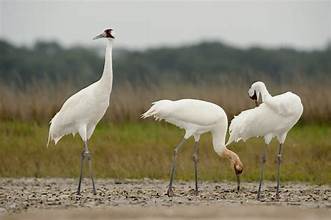
There are just about 600 whooping cranes left in the wild, making them one of the most endangered birds in North America. Their survival depends on conservation activities, which include safeguarding their migration routes and habitat. They are threatened by habitat destruction, hunting, and power line collisions.
These amazing birds have a wingspan of over seven feet and a height of around five feet. Across wetlands, this characteristic whooping call can be heard for miles. Whooping cranes have been saved from extinction thanks to the Endangered Species Act. However, with just about 600 birds, the species is still susceptible to disease outbreaks or catastrophes.
About the Creator
Rasma Raisters
My passions are writing and creating poetry. I write for several sites online and have four themed blogs on Wordpress. Please follow me on Twitter.
Enjoyed the story? Support the Creator.
Subscribe for free to receive all their stories in your feed. You could also become a paid subscriber, letting them know you appreciate their work.
Comments
There are no comments for this story
Be the first to respond and start the conversation.