
Rare and Endangered Animals of Canada
Wildlife

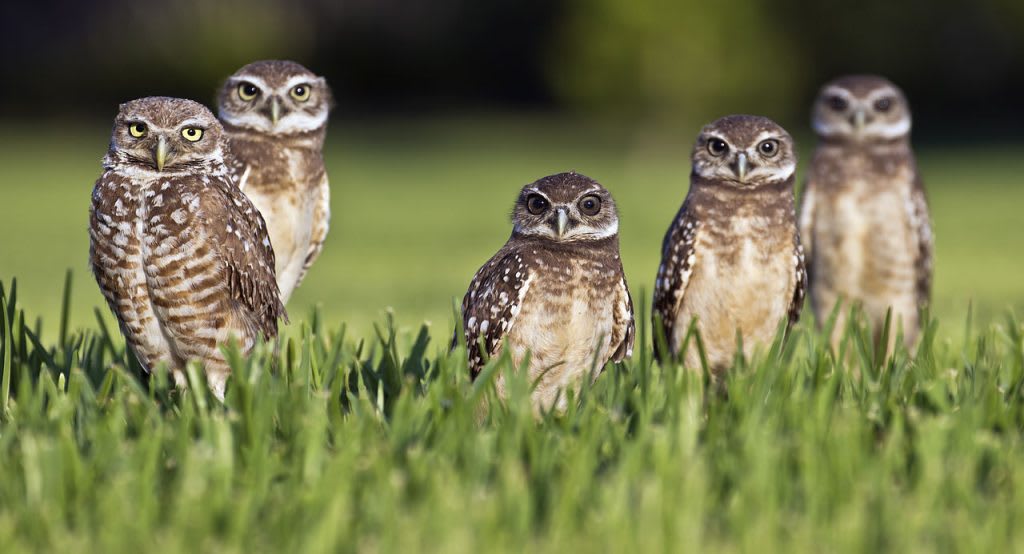
Burrowing Owls
Two laws are simultaneously broken by a grassland owl that lives underground and hunts during the day. On the prairies, burrowing owls build their nests in old ground squirrel and badger burrows, which is problematic when the grassland and tunnels are continuously being turned into agriculture. Only a few hundred pairs remain in Canada, and the birds that migrate south over the winter do not return. They are so small that they are hardly taller than a soda can. To frighten away predators, they will make a rattlesnake impression from inside the burrow.
Greater Sage Grouse
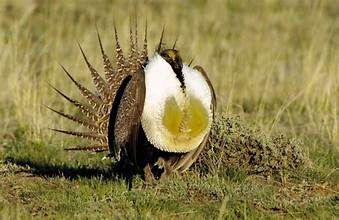
The males of the greater sage grouse generate a sound similar to someone plucking a rubber band underwater by inflating two yellow air sacs on their chest. It’s all but extinct in Canada; during a few decades, the population in Alberta and Saskatchewan fell by almost 90%, and there are currently only about 150 of them. They rely on sagebrush, and agriculture and energy development have destroyed sagebrush habitat on the Canadian prairie. On of Canada’s first emergency protection orders was issued in 2013.
North Atlantic Right Whales
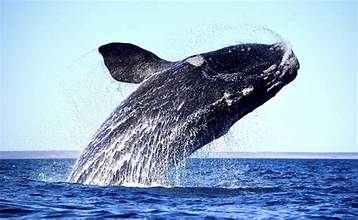
A significant portion of the approximately 370 North Atlantic right whales that remain on Earth feed in Canadian water in the Gulf of St. Lawrence. They swim close to the surface and were dubbed “right whales” because they float when dead, making them the ideal whale for whalers to kill. These days entanglement in fishing gear and ship hits pose a concern. They are among the most endangered large whale species in the world according to NOAA Fisheries, and Canada has closed fishing zones and redesigned shipping lanes in an effort to save them.
Peary Caribou
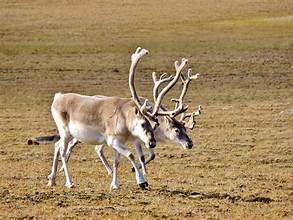
The Peary Caribou, the tiniest and palest caribou, inhabits the Queen Elizabeth Islands, Ellesmere, and Baniks Island in the High Arctic. From about 50,000 in the 1960s to a low point where some islands lost the majority of their herd due to harsh winter freezing occurrences that covered the tundra under ice and starved them, its numbers have drastically fluctuated. These ice episodes are becoming more frequent due to climate change, which is a slow-motion issue for a species that already lives on the limit of its survival range.
Sea Otters
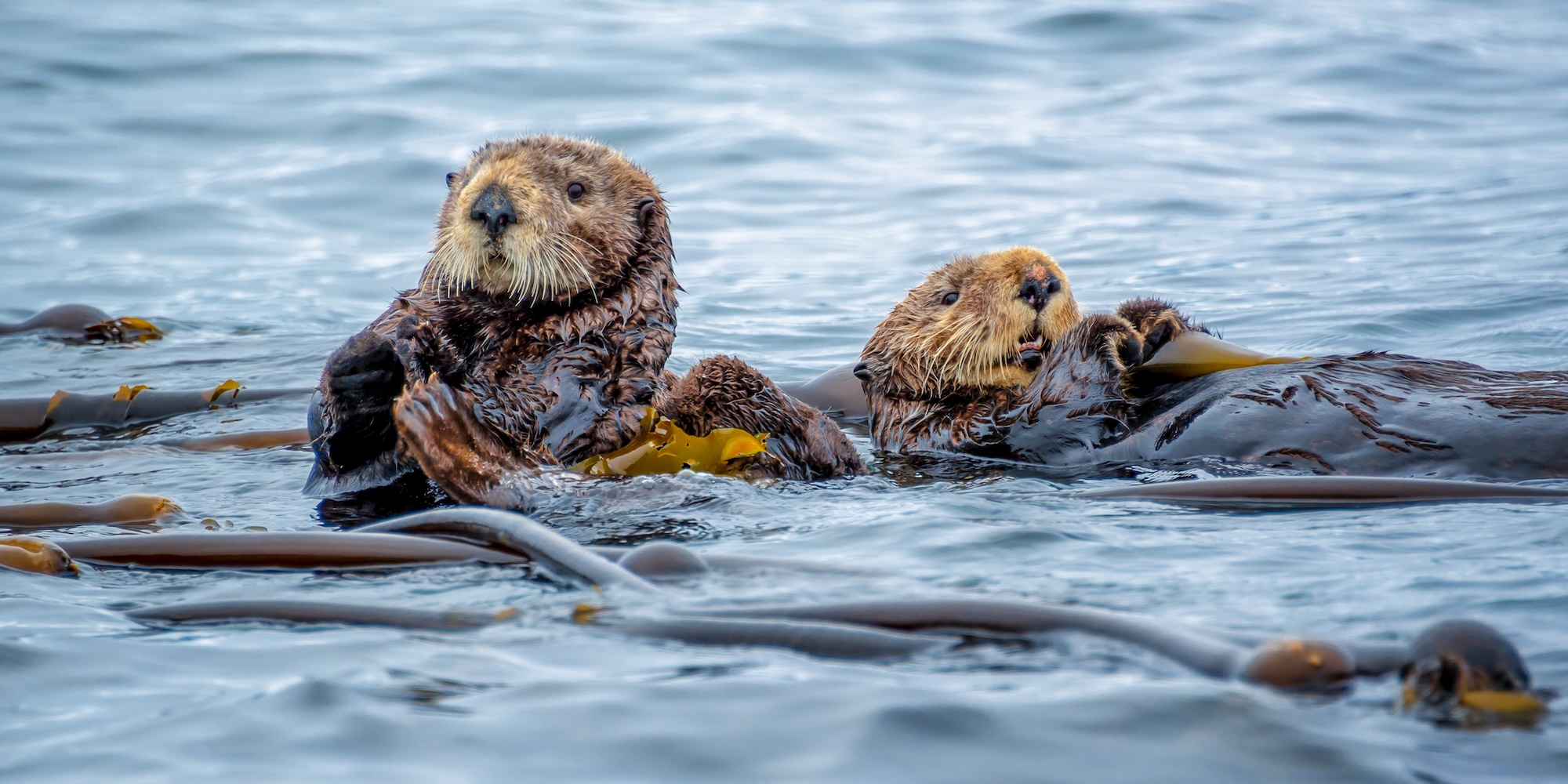
During the fur trade, sea otters were completely exterminated from Canadian seas; by the early 1900s, none remained on the coast of British Columbia. A small population of sea otters that were reintroduced from Alaska in the late 1960s and early 1970s are the ancestors of all sea otters in British Columbia today.
Spiny Softshell Turtles
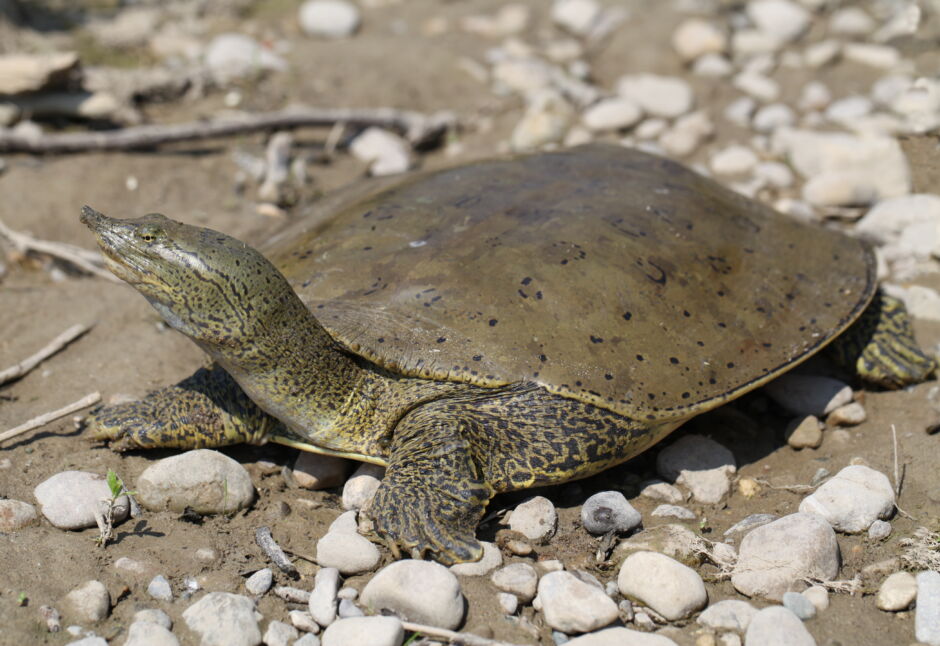
Although it doesn’t seem like it should exist in Ontario, a turtle with a flat, leathery, pancake-like shell and a tiny snorkel-like nose does. The spiny softshell is covered in soft skin with tiny spiny projections at the front edge; it lacks hard scutes. By taking oxygen through its skin and throat lining, it may remain submerged for extended periods of time. It is reduced to a few isolated populations in southern Ontario and Quebec and is threatened in Canada due to predation, boat propellers, and coastal development.
Spotted Owls
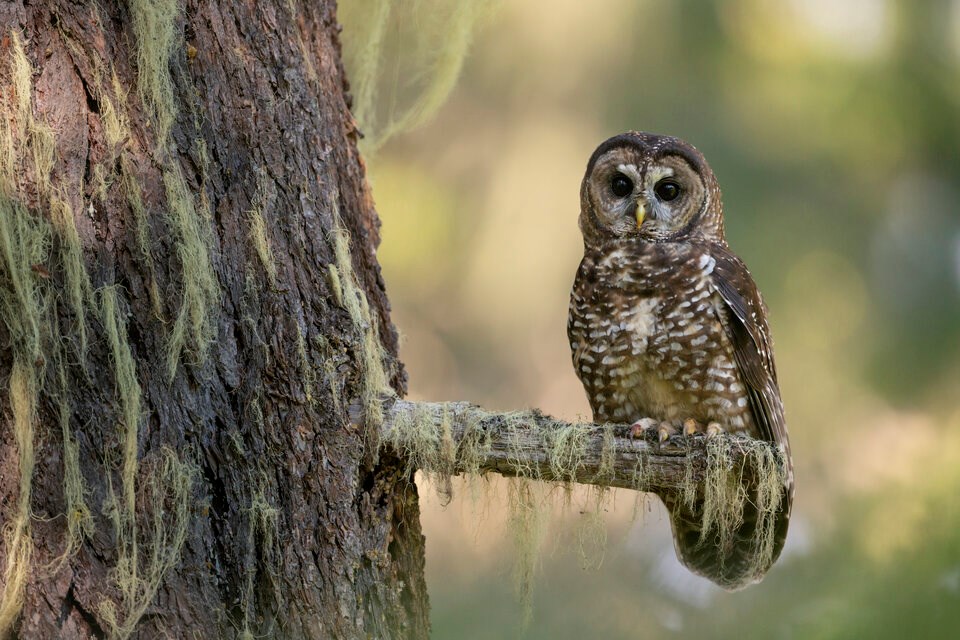
By individual count, the northern spotted owl is as close to extinction as a Canadian species can get. For years, British Columbia’s natural population has been in the single digits; at one point, there were fewer than five breeding-age birds in the whole nation. Old-growth forest is the issue because spotted owls require large, old trees in the mountains of southwest British Columbia, and this habitat has cleared more quickly than the owls could adapt. A captive breeding program is a holding pattern rather than a recovery.
Star-Nosed Moles
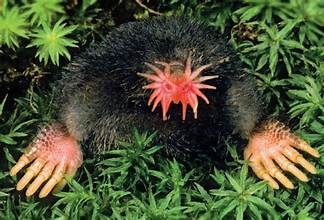
The 22 pink, fleshy tentacles that surround the star-nosed mole’s nose are a touch organ rather than a means of smell. It can recognize and consume a prey item in less than a quarter of a second, making it the fastest-eating mammal known to science. More than 100,000 nerve fibers and more touch sensors than a human hand are found in the "star." It is mainly blind, inhabits moist soil in eastern Canada, and uses blowing and re-inhaling bubbles to detect scents underwater. It is one of many common wetland creatures that flourish in marshes that most people pass by. Presently it is just weird but not endangered.
Vancouver Island Marmots
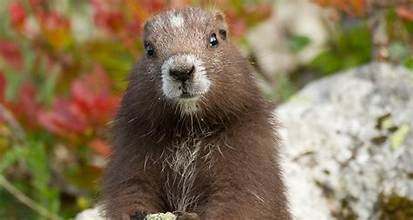
In British Columbia, this is one conservation success story that people genuinely mention, and it deserved it. The Vancouver Island marmot is unique to a few alpine meadows on a single island; it does not exist anywhere else on Earth. The number of animals in the wild had plummeted to about 30 by 2003. It was brought back to about 200-250 now through reintroduction and captive breeding. It’s a housecat-sized chocolate-colored plump rodent that whistles to alert the eagle colony. If it had been lost, the entire species—not just the Canadian population—would have perished.
About the Creator
Rasma Raisters
My passions are writing and creating poetry. I write for several sites online and have four themed blogs on Wordpress. Please follow me on Twitter.
Enjoyed the story? Support the Creator.
Subscribe for free to receive all their stories in your feed. You could also become a paid subscriber, letting them know you appreciate their work.
Comments
There are no comments for this story
Be the first to respond and start the conversation.