

On Land
Baird’s Tapir
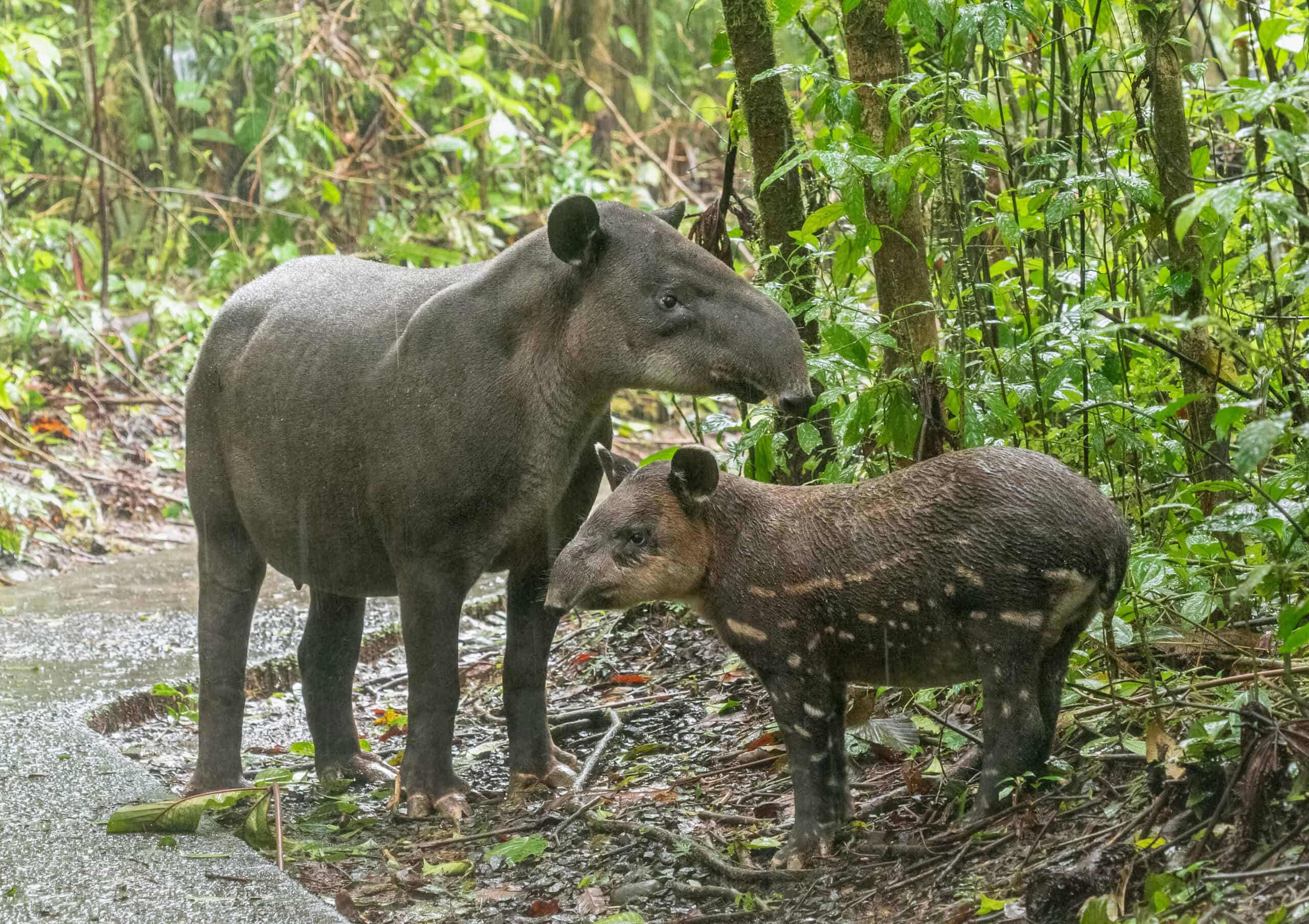
There are a number of extant tapir species, including the Baird’s tapir. Today less than 2,000 of these animals remain. It differs from other mammals due to its intriguing appearance. It may also be an ancient species that has endured and changed over time based on its appearance. Deforestation and careless hunting have both been threats to Baird’s tapir.
Jaguar
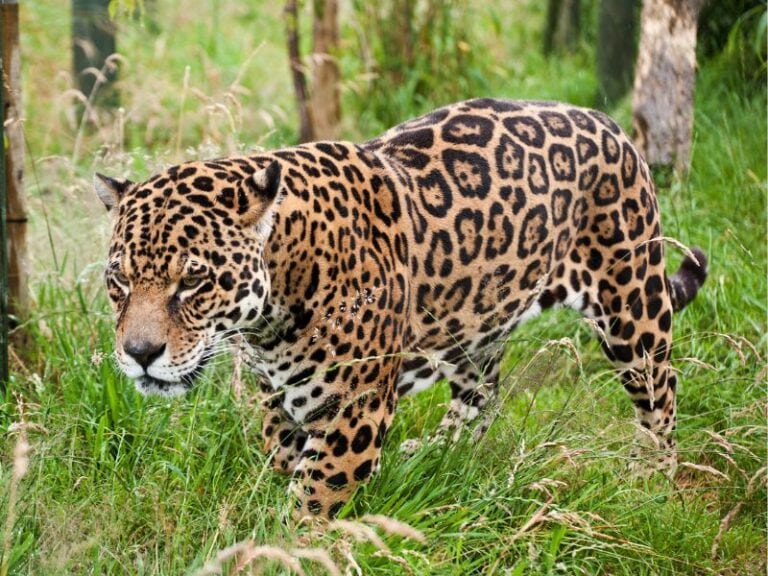
Ten to fifteen thousand jaguars remain on Earth. It is the biggest cat on the New Continent, and pre-Hispanic civilization originally revered the jaguar as a symbol of strength and security. Evidence suggests that this lone cat has lived on Earth for almost two million years. Jaguars face threats from both human persecution and habitat degradation eliminating their prey.
Mexican Gray Wolf
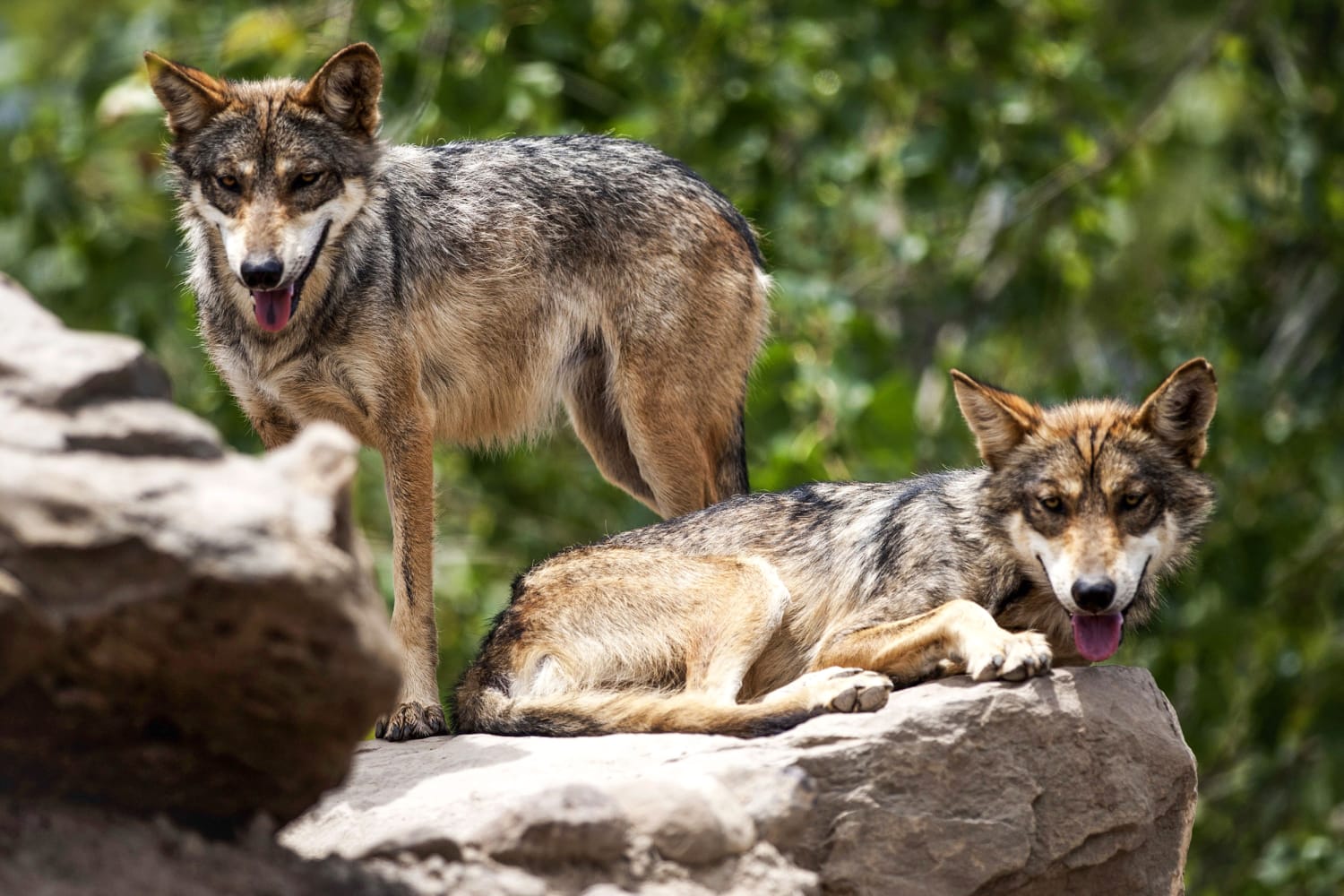
About the size of a medium-sized dog, there are currently fewer than 300 Mexican gray wolves remaining on Earth. These wolves inhabit Mexico and other parts of North America. Right now they exist mostly in captivity. Not previously endangered, the Mexican gray wolf was revered as a sign of bravery and represented the goddess Chantico in the ancient Mexican capital of Teotihuacan.
Mexican Prairie Dog
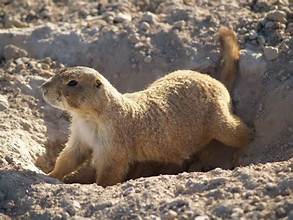
The Mexican prairie dog is a tiny rodent with an endearing and humorous appearance. Due to severe attacks by farmers who see this species as a threat to the growth of their crops, this animal is currently at risk of going extinct. The regions of Saltillo and Coahuila are home to the Mexican prairie dog and it is still not known how many still exist.
Scarlet Macaw
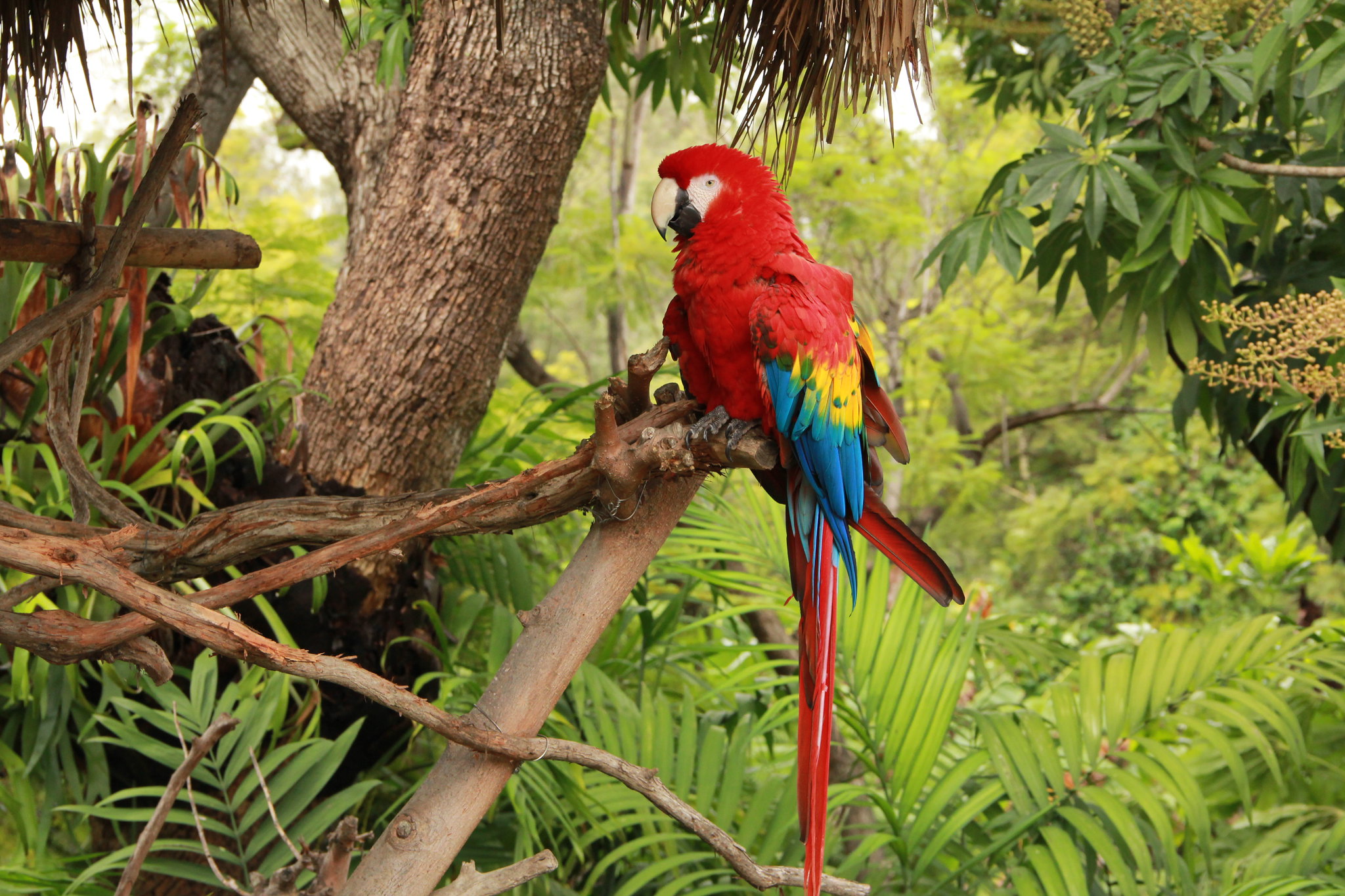
The Ara macao is a species of vividly colored macaw with blue, green, and yellow wings and a body with red feathers. The species decline has been exacerbated by the unlawful sale of this bird. Because of this, there are currently approximately 30,000 of these birds left on Earth. Only the southern Mexican state of Chiapas, which borders Guatemala, is home to the scarlet macaw. The macaw has been connected to Vacub-Caquix in Mayan mythology.
Volcano Rabbit
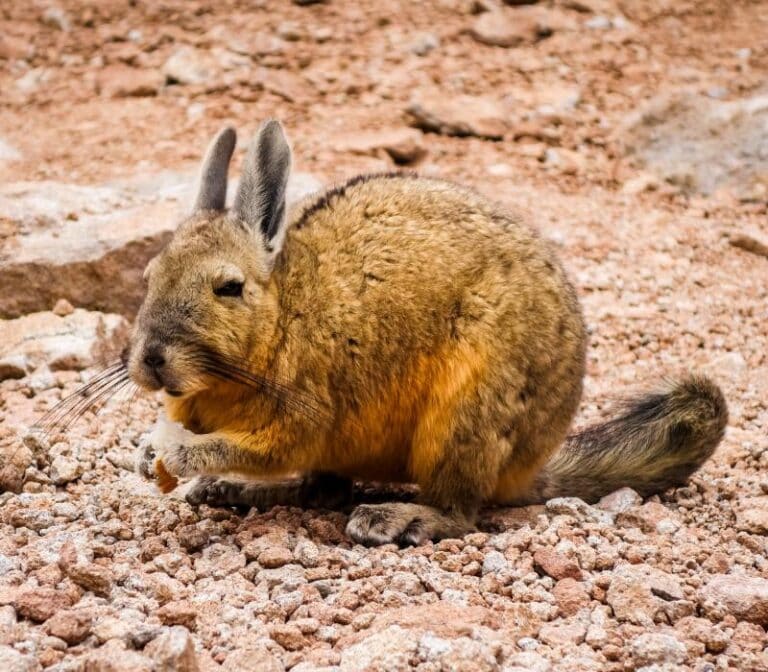
The volcano rabbit, or Romerolagus diazi, is a small mammal that lives in high areas or in forests with abundant vegetation. They are at risk of having their habitat destroyed and reducing the spaces that are suitable for the rabbits' survival.
Marine Animals
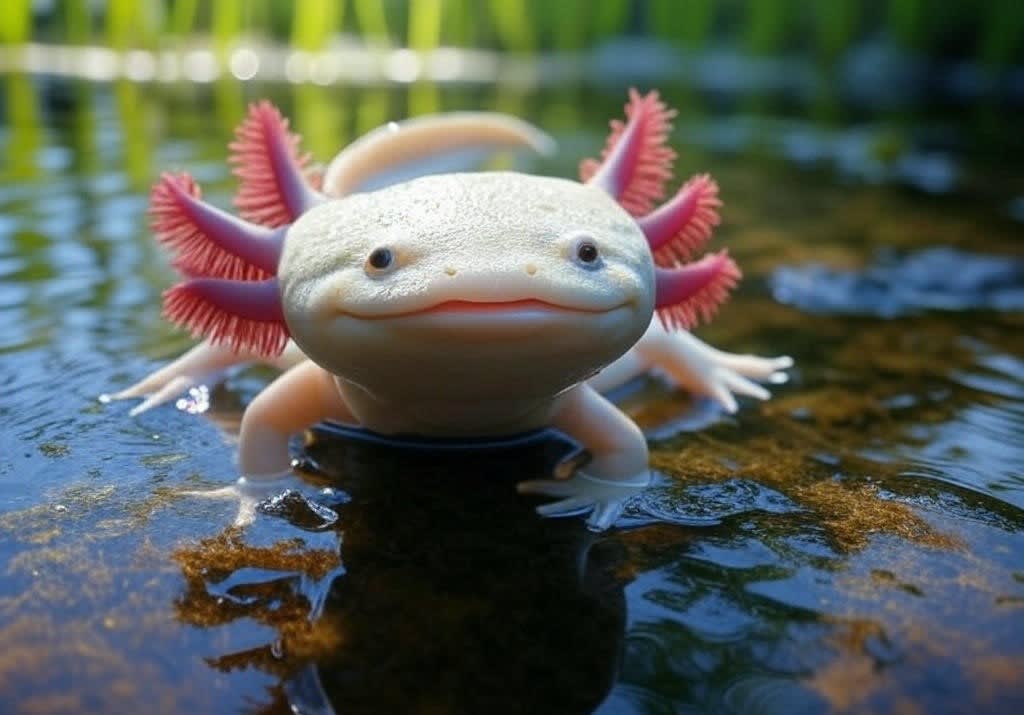
Axolotl (pictured above)
Among the Nahuati tribe, Ambystoma mexicanum is known as the water monster (axolotl) due to its peculiar look. These animals can be seen in the floating gardens of the Xochimilco boro of Mexico City. There are, nevertheless, fewer examples that are genuinely found in the wild. Nowadays, aquariums are home to the majority of water monsters worldwide. The axolotl’s ability to renew its own cellular tissues is just as remarkable as its look and range of hues.
Loggerhead Sea Turtle
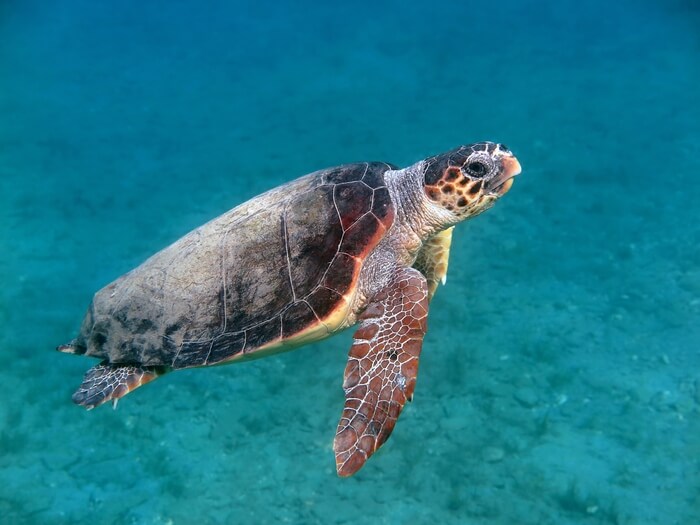
The Loggerhead sea turtle (Caretta caretta) has a precarious situation due to illegal hunting and the commercialization of its eggs. This is not a typical Mexican animal; each year countless numbers of these creatures travel from Japanese waters to Mexican coasts to reproduce. Currently there are only over 50,000 of these turtles that are able to reproduce.
Vaquita Marina
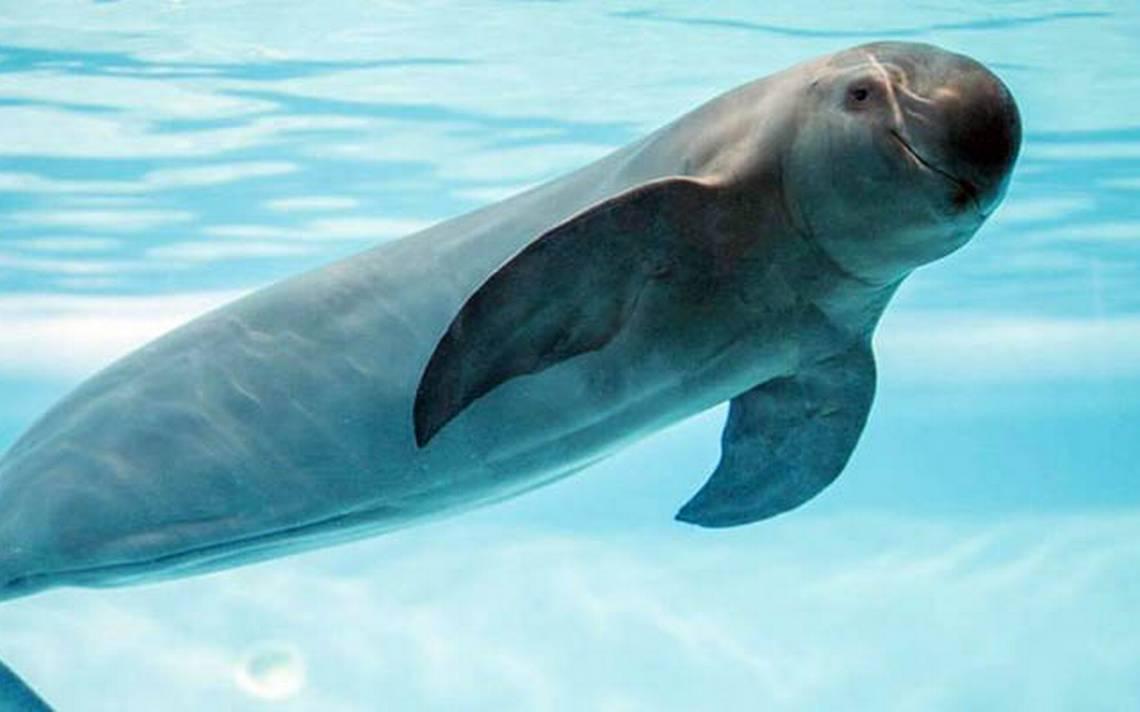
Phocoena sinus, often referred to as the vaquita marina or cochito in Spanish, is a cetacean that is unique to Mexican waters. Less than 100 individuals of this species are thought to remain on Earth. Since fishing net entrapment is the most common cause of these creatures' deaths, the fishing community’s irresponsibility is the primary cause of this.
The eyes and mouth of the vaquita marina are encircled by black patches that resemble cows or vaca in Spanish, which is how it got its name. It is a silent species that uses sound waves to communicate with others of its kind.
West Indian Manatee
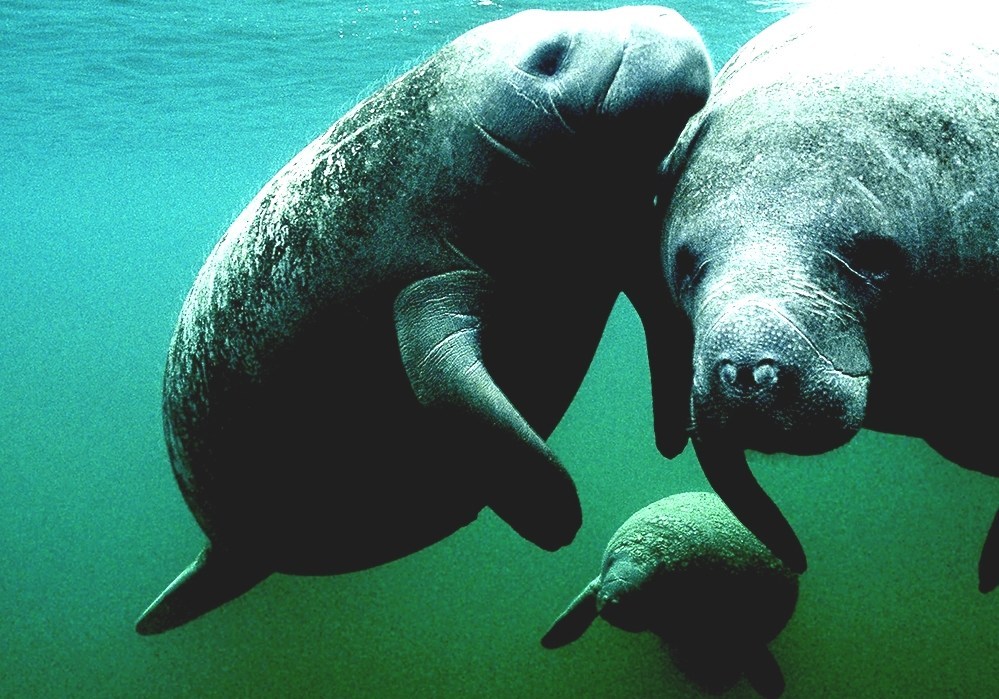
Less than 2,000 West Indian manatees are thought to remain on Earth today. Since the beginning of American colonization, this species has been hunted for its meat. Negligent fishing practices have also put these animals in grave danger; they are frequently killed when they collide with boat motors. These animals can be found in Brazil and the Amazon River as well as in Mexico.
About the Creator
Rasma Raisters
My passions are writing and creating poetry. I write for several sites online and have four themed blogs on Wordpress. Please follow me on Twitter.
Enjoyed the story? Support the Creator.
Subscribe for free to receive all their stories in your feed. You could also become a paid subscriber, letting them know you appreciate their work.
Comments
There are no comments for this story
Be the first to respond and start the conversation.