
Rafting in Nepal Brings You Closer to the Wild Side of the Himalayas
With rivers born from glaciers and flowing through deep valleys, rafting in Nepal offers more than thrills – it’s a fast-moving journey through raw landscapes and local culture.

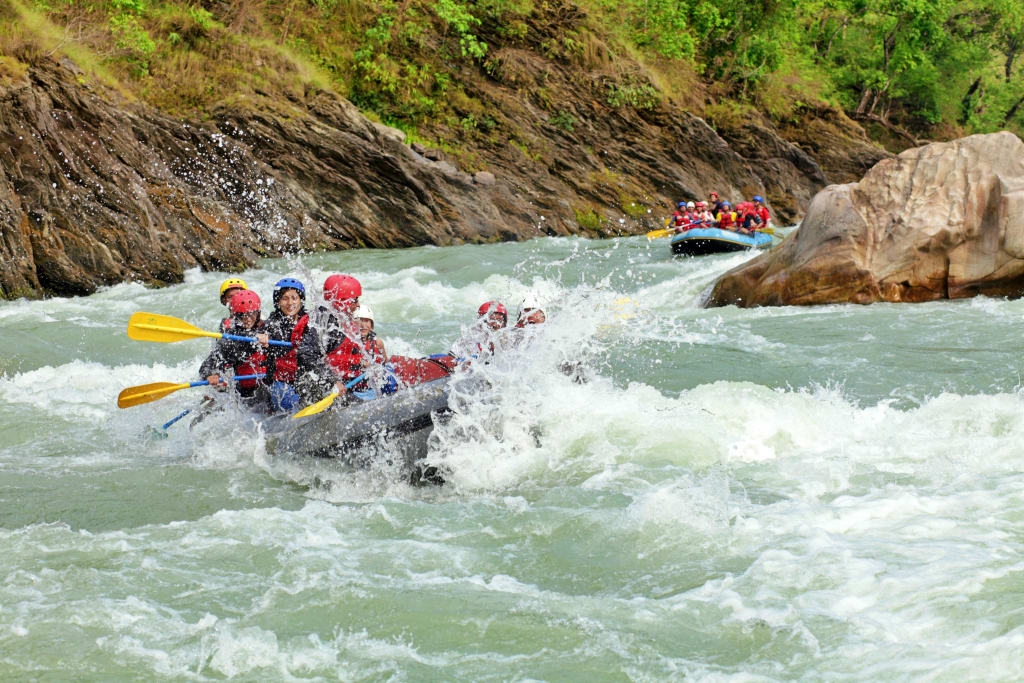
Why Rafting in Nepal Is Different
Rafting in Nepal is not only about hitting rapids. It’s about traveling through places you can’t reach by road, camping on remote river beaches, and being part of a team that works together with every wave. Nepal’s rivers are fed by some of the highest mountains in the world. That means the flow is strong, clean, and consistent during the right seasons.
The scenery is always changing. One moment you’re surrounded by green hills, and the next you’re inside a narrow gorge with waterfalls falling right beside you. And because most rivers flow past small villages and farmlands, you also get to see the rhythm of rural life along the way.
Best Rivers for Rafting in Nepal
Nepal offers a wide range of rivers, each with its own mood and challenge. Here are a few popular ones
- Trishuli River
This is the most accessible river for rafting, just a few hours from Kathmandu. It offers medium rapids and is great for beginners or short adventures.
- Seti River
Known for its gentle flow and warm water, it’s ideal for families or those looking for a calm ride with scenic views.
- Bhote Koshi River
One of the steepest rivers for rafting, perfect for thrill-seekers. It’s short but intense, with big rapids and fast drops.
- Kali Gandaki River
Flowing between the Dhaulagiri and Annapurna ranges, this river is great for multi-day trips. It combines adventure with camping and remote village encounters.
- Sun Koshi River
Often listed among the top 10 river journeys in the world, it offers long expeditions of 7 to 9 days, changing landscapes, and plenty of action.
What a Typical Rafting Day Looks Like
The day usually begins with a safety briefing. Guides explain how to paddle, what to do in case you fall out, and how to work as a team. After putting on your gear, you push off into the water. At first, the river may be calm, but soon you hear the sound of rapids ahead.
In the middle of the action, you don’t think too much. Your body just moves with the flow. You paddle when the guide shouts commands. You get soaked. You laugh. Sometimes you even scream. But when you pass the rapid, there’s a calm sense of joy. The raft floats again, and you get to breathe, look at the cliffs and forests, and maybe even spot a monkey on a tree.
At night, if it’s a multi-day trip, the raft stops at a sandy riverbank. Tents go up, food is cooked over fire, and people sit in a circle talking under the stars. This part of the trip is often what people remember most.
Safety and Gear
Rafting in Nepal is handled by experienced guides who know the rivers well. All safety gear like helmets, life jackets, and paddles are provided. Most guides are trained in rescue and first aid.
Still, it’s important to follow instructions seriously. Rapids can change based on water levels. Even on easier rivers, being alert and working together is key to staying safe.
When Is the Best Time to Go
The best months for rafting are September to November and March to May. These periods offer warm weather, stable water levels, and good visibility. During the monsoon (June to August), rivers are too wild and often unsafe for rafting.
Rafting for Every Kind of Traveler
Whether you are traveling solo, in a group, or with family, Nepal has options. From half-day fun on the Trishuli to full adventure on the Sun Koshi, there’s no need to be an expert. Just bring energy and an open mind.
And if you’re not ready for the big rapids, you can still enjoy a calm float that lets you see the countryside from a different angle. It’s a great way to break from city noise or long mountain walks.
Why Rafting Adds Something Real to Your Trip
Treks show you the mountains, but rafting shows you how those mountains give life to everything below. The rivers of Nepal are powerful, fast, and full of meaning for the people who live near them. When you raft, you become part of that story.
You don’t need to explain it with big words. Just one ride through a fast curve or a quiet stretch is enough to feel it. It’s not just water. It’s the movement of a whole country, and for a few hours, you’re moving with it.
About the Creator
Bitisha Sherpa
I’m a travel guide at Nepal Social Treks, a trusted tour company. A passionate traveler, I love helping people explore nature, culture, and adventure. I specialize in peak climbing in Nepal, guiding you to reach new heights safely.
Enjoyed the story? Support the Creator.
Subscribe for free to receive all their stories in your feed.
Comments
There are no comments for this story
Be the first to respond and start the conversation.