
Protect yourself from heat wave
How to Protect Yourself from Extreme Heat

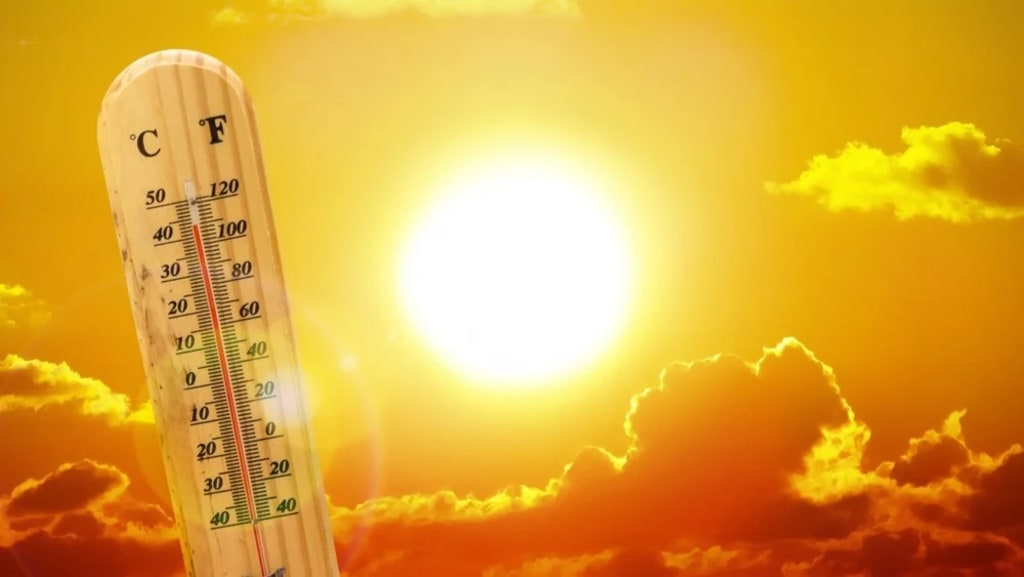
The recent heat wave has served as a stark reminder of the escalating climate crisis and its devastating impact on our planet and our lives. Throughout this article, we have explored the severity and unprecedented nature of the heat wave, its far-reaching consequences, and the urgent need for collective action to address the root causes of climate change.
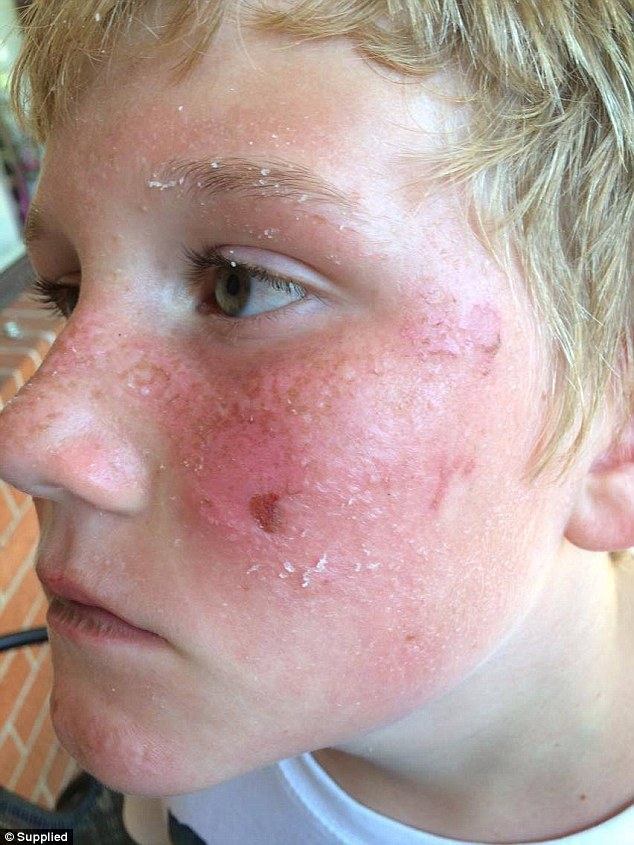
The extreme temperatures and soaring heat records witnessed during
this heat wave have not only disrupted ecosystems but have also posed severe health risks to vulnerable populations. The rising number of heat-related illnesses and fatalities underscore the importance of implementing effective heat mitigation strategies and enhancing public awareness about heat safety measures.
A warmth wave is a prolonged length of excessively hot weather, often observed by means of high humidity, which can pose severe fitness risks to individuals and groups. During a warmness wave, temperatures leap above normal tiers, and the extreme warmth may be existence-threatening, specifically for prone populations such as the elderly, younger kids, pregnant girls, and those with pre-existing health conditions.
Causes of Heat Waves
Heat waves are more often than not due to a combination of meteorological and geographical elements. The foremost contributors to heat wave formation encompass:
1. High Pressure Systems:
When a high-stress gadget settles over a area, it creates a stable atmospheric condition that forestalls clouds and rain from forming. This leads to increased sunshine and clean skies, permitting temperatures to upward thrust appreciably.
2. Climate Change:
Global warming, driven with the aid of human activities along with the burning of fossil fuels and deforestation, has resulted in rising global temperatures. As a result, warmth waves have emerge as more frequent, intense, and prolonged in latest years.
3. Urban Heat Island Effect:
Urban regions with concrete and asphalt surfaces can take in and keep heat, creating localized warmth islands. This impact can cause towns to be numerous degrees warmer than surrounding rural areas, exacerbating heat waves in city regions.
4. Drought and Dry Conditions:
Prolonged drought and dry soil conditions can intensify warmth waves as less moisture is available for evaporation, making it more difficult for the surroundings to chill.
5. Climate Patterns:
Certain climate patterns, along with El Niño, can affect the frequency and depth of heat waves in extraordinary parts of the world.
Health Risks of Heat Waves
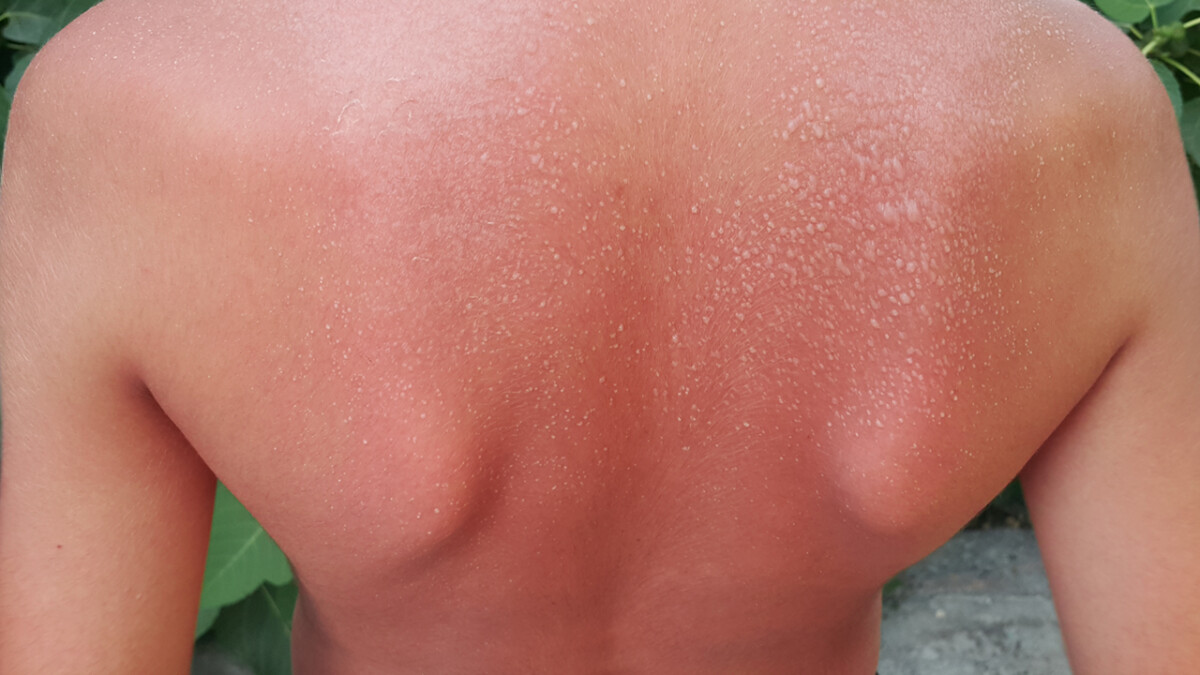
Heat waves pose a variety of health risks, from moderate heat-related illnesses to severe conditions such as heatstroke, which can be lifestyles-threatening. Some commonplace warmness-related ailments include:
1. Heat Cramps:
Painful muscle cramps, often inside the legs or stomach, caused by dehydration and electrolyte imbalances because of excessive sweating.
2. Heat Exhaustion:
Characterized through heavy sweating, weakness, dizziness, nausea, and headaches. It occurs whilst the frame is not able to cool itself competently through sweating.
Heat Stroke:
The most excessive warmth-related illness, warmth stroke is a medical emergency which can lead to organ failure, mind harm, and demise. Symptoms encompass a frame temperature above 103°F (39.Four°C), confusion, lack of recognition, and warm, dry pores and skin (loss of sweating).
Protecting Yourself from Heat Waves
During a warmness wave, it is critical to take measures to defend yourself and others from the intense warmness. Here are some essential recommendations to live secure:
1. Stay Hydrated:
Drink masses of water throughout the day, even in case you do not experience thirsty. Avoid alcoholic beverages and caffeine, as they are able to make contributions to dehydration.
Stay Indoors:
If possible, stay indoors in the course of the hottest elements of the day, normally from late morning to early evening. Use lovers and air conditioning to preserve your dwelling space cool.
Dress Appropriately:
Wear lightweight, unfastened-fitting, and mild-colored garb to help your body alter its temperature. Avoid dark shades, as they can take in warmness.
Physical Activity:
Avoid strenuous bodily sports for the duration of top warmness hours. If you want to exercise, do it at some stage in the cooler elements of the day, which includes early morning or past due nighttime.
Use Sunscreen:
Apply sunscreen with a excessive SPF to guard your skin from harmful UV rays.
Seek Shade:
If you need to be outdoors, are seeking for shade on every occasion possible
the heat wave has significantly strained energy systems, leading to power outages and exacerbating existing challenges in providing reliable electricity to communities. This emphasizes the necessity of investing in renewable energy sources, smart grids, and energy-efficient technologies to build more resilient energy infrastructures.
Local governments and policymakers must take immediate action to mitigate the impacts of heat waves and address the underlying causes of climate change. This includes adopting and enforcing stringent emission reduction policies, promoting sustainable urban planning, and implementing measures to protect natural ecosystems. Additionally, international cooperation is crucial to combat the global nature of climate change, with countries working together to reduce greenhouse gas emissions and support vulnerable regions.
Individuals can also play a vital role by adopting eco-friendly practices, such as conserving energy, reducing waste, and advocating for sustainable practices within their communities. By making these small but meaningful changes in our daily lives, we can collectively contribute to a more sustainable and resilient future.
The recent heat wave serves as a wake-up call for humanity, compelling us to reevaluate our relationship with the environment and take urgent and decisive action. Time is of the essence, and we must act now to prevent further exacerbation of heat waves and other extreme weather events. Only through a concerted effort, with a strong commitment from governments, organizations, and individuals alike, can we hope to mitigate the impacts of climate change and safeguard the well-being of future generations. Let this heat wave be a turning point in our journey toward a sustainable, climate-resilient world.
About the Creator
Health Momentum
"Welcome to [Health Momentum] - Your Ultimate Destination for Health and Fitness!
Enjoyed the story? Support the Creator.
Subscribe for free to receive all their stories in your feed.
Comments
There are no comments for this story
Be the first to respond and start the conversation.