
Posibility of Hidroelectri Energy
The power of runing water
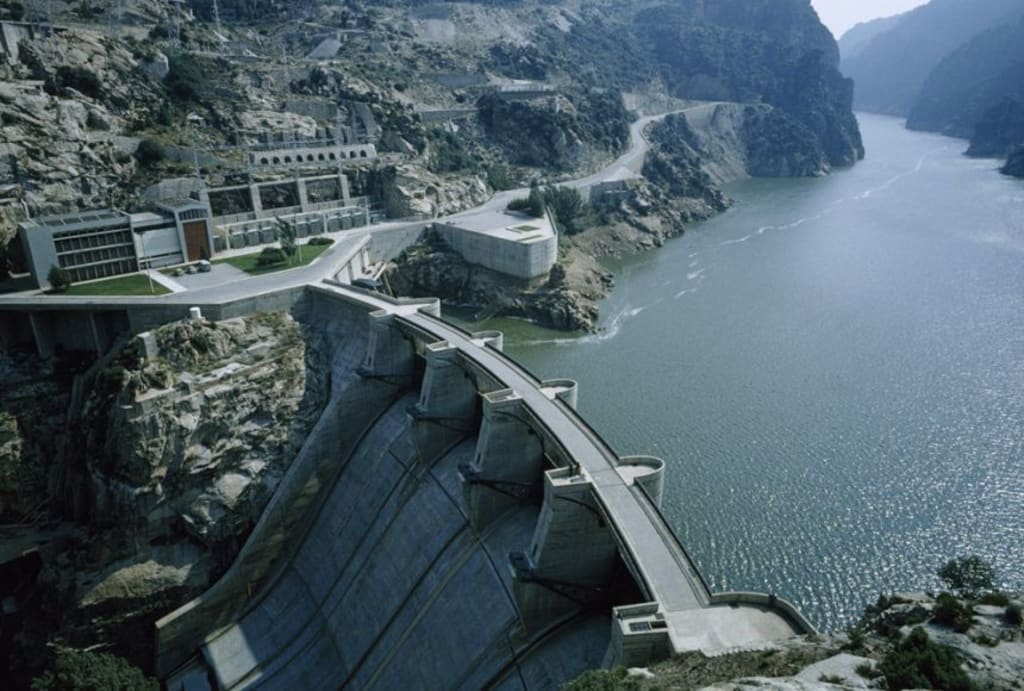
Hydroelectric energy, also known as hydroelectric power or hydropower, is a renewable energy source that harnesses the power of running water to generate electricity. It has been a significant and reliable source of clean energy for many decades. The possibility and potential of hydroelectric energy are substantial, and it offers several advantages:
Renewable Resource: Water is an abundant and renewable resource. As long as there is a consistent source of flowing water, such as a river, waterfall, or tidal current, hydroelectric power can be generated continuously.
Low Greenhouse Gas Emissions: Hydroelectric power plants produce minimal greenhouse gas emissions compared to fossil fuel-based power plants, making them an environmentally friendly energy source.
Base Load Power: Hydroelectric power can serve as a base load power source, meaning it can provide a steady supply of electricity, which is crucial for meeting the energy needs of a region consistently.
Energy Storage: Some hydroelectric facilities can be used for energy storage by pumping water into an elevated reservoir during periods of low electricity demand and releasing it to generate power during peak demand, effectively acting as a form of energy storage.
High Efficiency: Hydroelectric power plants have high energy conversion efficiencies, typically exceeding 90%. This makes them one of the most efficient ways to convert mechanical energy from moving water into electrical power.
Long Lifespan: Hydroelectric facilities often have long lifespans, with well-maintained dams and turbines lasting for several decades.
Low Operating Costs: Once the infrastructure is in place, the operating costs of hydroelectric power plants are relatively low, making it cost-effective in the long term.
Reservoirs for Water Supply: Reservoirs created by dams for hydroelectric power generation can also serve as a reliable source of water for agricultural, industrial, and domestic use.
However, there are also some challenges and limitations to consider:
Environmental Impact: The construction of dams and reservoirs can have environmental consequences, including the disruption of aquatic ecosystems, alteration of water flow, and potential habitat destruction.
Limited Locations: Hydroelectric power is dependent on the availability of flowing water, which may not be feasible in all geographic regions.
Climate Dependence: Hydroelectric power generation can be affected by variations in precipitation and climate change, leading to seasonal and long-term fluctuations in power output.
Initial Capital Costs: Building hydroelectric infrastructure can be expensive, and the upfront capital costs are a significant barrier to entry for some regions.
Regulatory and Social Issues: The construction of dams can lead to conflicts with local communities and regulatory challenges related to land use, water rights, and environmental concerns.
In conclusion, the possibility of hydroelectric energy is significant, and it remains a valuable and sustainable source of electricity in many parts of the world. The advantages of low emissions, reliability, and energy storage capabilities make it a compelling option for meeting the energy needs of various regions, but it also comes with environmental and social considerations that need to be carefully managed
Energy storage refers to the process of capturing and storing energy for later use. It involves taking surplus energy generated during periods of low demand or high supply and storing it in various forms so that it can be released and used when demand for energy is high or supply is limited. Energy storage systems play a crucial role in enhancing the reliability, efficiency, and flexibility of energy grids
Batteries: Batteries are perhaps the most well-known form of energy storage. They store electrical energy in a chemical form and can release it when needed. Common types of batteries used for energy storage include lithium-ion, lead-acid, and flow batteries.
Pumped Hydro Storage: This is one of the oldest and most widely used methods of large-scale energy storage. It involves pumping water from a lower reservoir to an upper reservoir during periods of excess energy and releasing it through turbines to generate electricity when energy demand is high.
Compressed Air Energy Storage (CAES): In CAES systems, surplus electricity is used to compress air and store it in underground caverns. When electricity is needed, the compressed air is released and used to drive turbines,generating electricity.
Thermal Energy Storage: This method stores energy in the form of heat. Common technologies include molten salt storage, where surplus heat is used to melt salt, and the stored heat is later used to produce steam for electricity generation.
Hydrogen Storage: Hydrogen can be produced by electrolysis or other methods when excess electricity is available and then stored for later use. It can be converted back into electricity through fuel cells or other means.
Supercapacitors: Supercapacitors are energy storage devices that store electrical energy in an electrostatic field. They have a high power density and are useful for applications requiring rapid energy discharge.
Energy storage is crucial for several reasons:
Grid Stability: Energy storage helps stabilize power grids by balancing supply and demand, reducing the risk of blackouts, and maintaining a steady flow of electricity.
Load Shifting: It allows for energy to be stored during periods of low electricity demand and used during peak demand, reducing the need for additional power generation capacity.
Emergency Backup: Energy storage can provide backup power during outages and emergencies, improving grid resilience.
Electric Vehicles: Batteries in electric vehicles are a form of energy storage, allowing them to store and use electrical energy for transportation.
Energy storage technologies continue to advance and play a crucial role in the transition to a more sustainable and reliable energy system. They are essential for addressing the challenges associated with variable renewable energy sources and increasing grid flexibility.
About the Creator
Enjoyed the story? Support the Creator.
Subscribe for free to receive all their stories in your feed.
Comments
There are no comments for this story
Be the first to respond and start the conversation.