
Porter Guide in Nepal: Essential Information for Trekkers
Overview
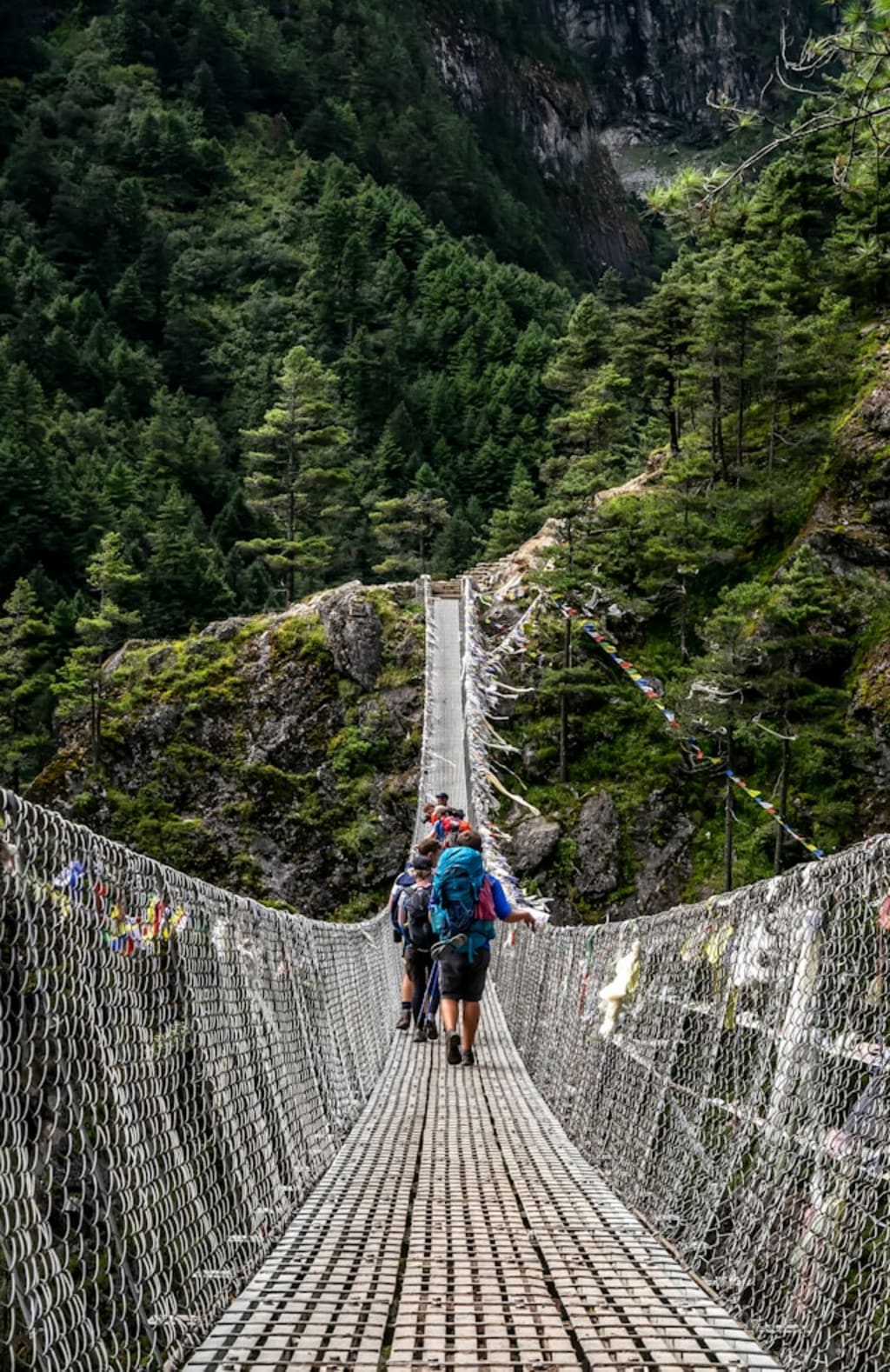
Porters are an integral part of trekking in Nepal, helping trekkers carry their gear and providing valuable assistance throughout the journey. Whether you're trekking the Annapurna Circuit, Everest Base Camp, or any other trail, hiring a porter can make your trek more comfortable, safe, and enjoyable. Here’s a comprehensive guide to hiring and working with porters in Nepal.
What is a Porter?
A porter is a local individual who carries your gear during a trek, typically between 20-30 kg (44-66 lbs), depending on the weight distribution and their personal capacity. Porters are familiar with the trails and help ensure that trekkers have a smooth experience. Their duties often include carrying heavy luggage, assisting with logistics, and providing guidance on the route.
Why Hire a Porter?
Physical Relief: Trekking in Nepal can be physically demanding, especially at higher altitudes. Hiring a porter allows you to travel lighter, which makes the journey more manageable.
Local Support: Porters are often locals who depend on trekking for their livelihood. Hiring them helps support the local economy, providing income to rural families.
Cultural Interaction: Porters often share valuable insights into the region, the culture, and the people, which can enhance your trekking experience.
Improved Trekking Experience: With your heavy gear off your back, you can focus on enjoying the landscapes, engaging with fellow trekkers, and exploring the local culture.
How to Hire a Porter in Nepal
Trekking Agencies: The most common way to hire a porter is through a trekking agency. These agencies often offer packages that include a guide and porter, ensuring you have the right support throughout your trek.
Independent Porters: If you prefer to hire a porter independently, it’s best to find one through local trekking hubs, such as Thamel in Kathmandu or Lakeside in Pokhara. Many porters in these areas are experienced and willing to take on work.
Online Platforms: Several online platforms, such as Trekking Agencies’ Associations and local travel websites, provide access to independent porters who can be booked in advance.
Cost of Hiring a Porter
The cost of hiring a porter varies depending on the trekking region, duration, and the porter’s experience. As of 2025, prices typically range between NPR 1,500-2,500 per day (roughly USD 12-20). Additional costs may include tips, meals, accommodation, and insurance for the porter.
What’s Included in the Porter’s Services?
Carrying Gear: Porters will carry your gear, including a backpack, duffel bag, and personal belongings. They do not carry valuables such as cameras or passports, which should remain in your daypack.
Meals and Accommodation: Porters are typically provided with meals and accommodation by the trekking agency or trekker. However, it’s essential to ensure that porters are treated fairly and receive adequate rest.
Guidance: While porters are not typically guides, they are familiar with the route and can offer helpful directions and advice along the way.
Ethical Considerations When Hiring a Porter
Fair Treatment: Porters should be treated with respect, including providing fair wages, adequate food, and proper rest. It's essential to make sure that they are not overburdened with excessive weight.
Wages: Ensure that the wages paid are fair and in line with local standards. Trekking agencies should pay porters a fair rate, and independent trekkers should also negotiate appropriate compensation.
Weight Limit: It’s important not to overload porters. A typical porter carries 20-30 kg, but this should be adjusted according to their ability. Always prioritize their well-being.
Health and Safety: Make sure your porter is properly outfitted, especially in terms of footwear and clothing, to protect them from the harsh trekking conditions.
Responsibilities of a Trekker Hiring a Porter
Pack Lightly: When you hire a porter, make sure you pack only the essentials, as their capacity has limits. Overloading a porter can lead to exhaustion, injury, and a negative impact on their health.
Give Tips: It’s customary to tip porters at the end of your trek. A tip of around 10-20% of the total cost is standard, though the amount can depend on the duration of the trek and the level of service.
Accommodation: Make sure the porter stays in suitable accommodation along the route. If staying in basic teahouses, they may sleep in the dining room or a small room with other porters.
Offer Support: If possible, offer your porter support with smaller tasks, such as helping with the preparation of food or carrying a lighter load for a portion of the trek.
Conclusion: A Rewarding Partnership
Hiring a porter during your trek in Nepal is not only a practical decision but also an opportunity to support the local community and enhance your trekking experience. By treating your porter with respect and fairness, you ensure that both of you have a positive and rewarding experience in the mountains. With their help, you can focus on enjoying the spectacular scenery and the cultural richness of Nepal’s trekking regions.
About the Creator
Enjoyed the story? Support the Creator.
Subscribe for free to receive all their stories in your feed.
Comments
There are no comments for this story
Be the first to respond and start the conversation.