
Porter and Guide for Everest Three Passes Trek
Why Hire a Porter and Guide?
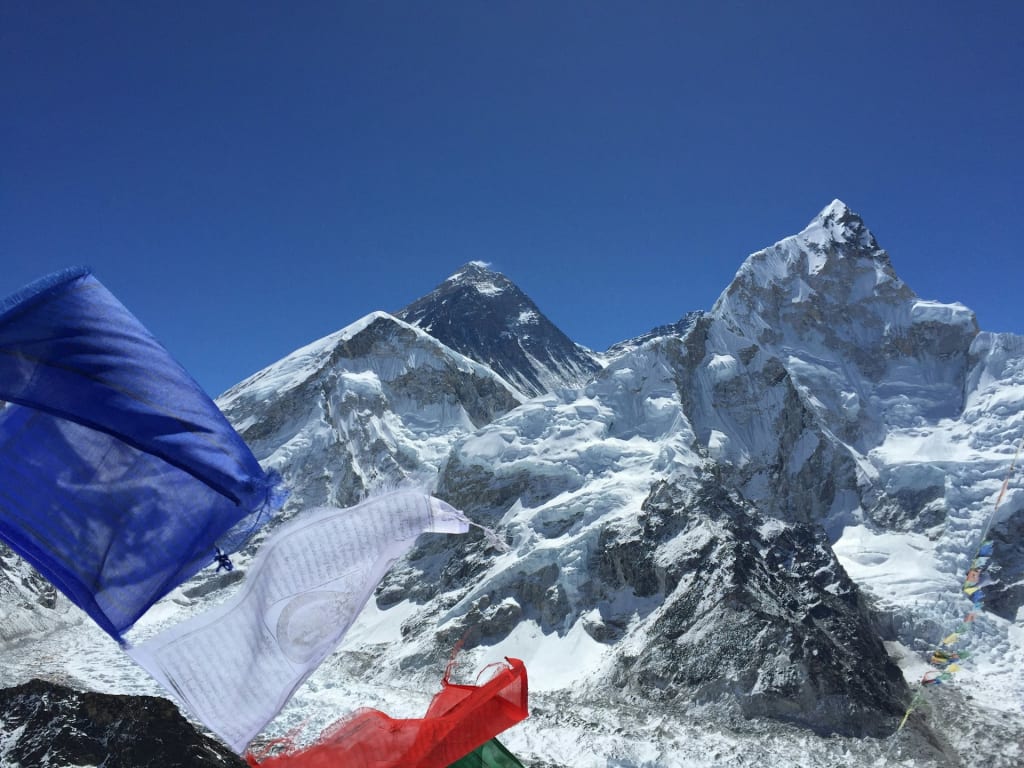
The Everest Three Passes Trek is one of the most challenging treks in Nepal, requiring stamina, proper acclimatization, and experience in high-altitude trekking. Covering three major passes—Kongma La (5,535m), Cho La (5,420m), and Renjo La (5,360m)—this trek pushes physical and mental limits. Hiring a porter and guide not only enhances safety but also allows trekkers to focus on enjoying the stunning landscapes without the burden of carrying heavy loads. A knowledgeable guide ensures you stay on the right path, avoid potential hazards, and gain insights into the local culture and history.
Role of a Guide on the Trek
A professional guide plays an essential role in making the Everest Three Passes Trek a seamless and enriching experience. My guide was well-versed in the trail conditions, altitude management, and emergency protocols. He helped plan proper acclimatization days, ensuring I adjusted gradually to the thin air. His knowledge of weather patterns and alternative routes proved invaluable when unexpected conditions arose.
In addition to safety, a guide adds depth to the journey. My guide shared fascinating stories about the Sherpa community, explained the significance of monasteries along the route, and helped coordinate accommodation and meals in teahouses. His experience was crucial in navigating the high mountain passes, especially in tricky sections with crevasses and icy trails. Trekking through remote villages, he introduced me to local families, offering a deeper cultural perspective than I would have gained on my own.
Importance of a Porter
The trek involves long and demanding ascents, often reaching altitudes above 5,000 meters. Carrying a heavy backpack at such elevations can drain energy quickly and increase the risk of altitude sickness. My porter carried most of my gear, allowing me to trek comfortably and reduce exhaustion. Porters are accustomed to the harsh conditions of the Himalayas, making them indispensable companions on the journey. Their resilience and strength are admirable, and hiring one also supports the local economy, providing a livelihood for mountain communities.
Many porters come from remote villages in the Solu-Khumbu region and have spent years traversing these trails. Some even aspire to become guides in the future. Their deep knowledge of the terrain, combined with their ability to handle extreme weather conditions, makes them invaluable for the trek.
Cultural Exchange and Local Insights
One of the most rewarding aspects of trekking with a guide and porter was the cultural exchange. They introduced me to traditional Sherpa cuisine, customs, and rituals. My guide explained the history behind Tengboche Monastery, a spiritual hub for mountaineers and trekkers. My porter, on the other hand, shared personal stories of growing up in the Khumbu region, highlighting the challenges and joys of life in the mountains.
We often stopped at local tea houses, where they helped me understand the significance of prayer flags, Mani walls, and chortens. Their insights added a layer of depth to the trek that I wouldn’t have experienced on my own. Trekking with them wasn’t just about completing the journey—it was about connecting with the people who call this rugged landscape home.
Recommended Viewpoints and Landmarks
Having a guide also meant never missing a breathtaking viewpoint. He led me to the best spots for sunrise over Ama Dablam, guided me to hidden gems in Gokyo Valley, and ensured I experienced the mesmerizing views from Renjo La Pass. Some of the most unforgettable highlights of the trek included:
Gokyo Ri (5,357m) – A stunning viewpoint overlooking the turquoise Gokyo Lakes and panoramic views of Everest, Lhotse, Makalu, and Cho Oyu.
Kala Patthar (5,545m) – The best vantage point for a close-up view of Everest, especially during sunrise and sunset.
Ngozumpa Glacier – The longest glacier in Nepal, adding to the dramatic beauty of the trek.
Everest Base Camp (5,364m) – While not part of the Three Passes loop, many trekkers make the detour to stand at the foot of the world's highest peak.
These landmarks made every effort on the trail worth it, and having a guide ensured I didn’t miss any of these awe-inspiring moments.
Making the Most of the Trek
Hiring a porter and guide for the Everest Three Passes Trek is an investment in safety, comfort, and cultural immersion. The journey through the Everest region is physically demanding, but with the right support, it becomes an unforgettable adventure. Trekking with a guide and porter not only enhances the experience but also creates lasting connections with the people who call these mountains home.
Whether you’re an experienced trekker or tackling high-altitude trails for the first time, a well-supported trek through the Three Passes offers unparalleled scenery, a deep cultural experience, and a true test of endurance. With a strong team by your side, the trek becomes more than just a challenge—it becomes a journey of a lifetime.
About the Creator
Enjoyed the story? Support the Creator.
Subscribe for free to receive all their stories in your feed.
Comments
There are no comments for this story
Be the first to respond and start the conversation.