
Porter and Guide for Everest Base Camp Trek: Your Essential Support Team
overview
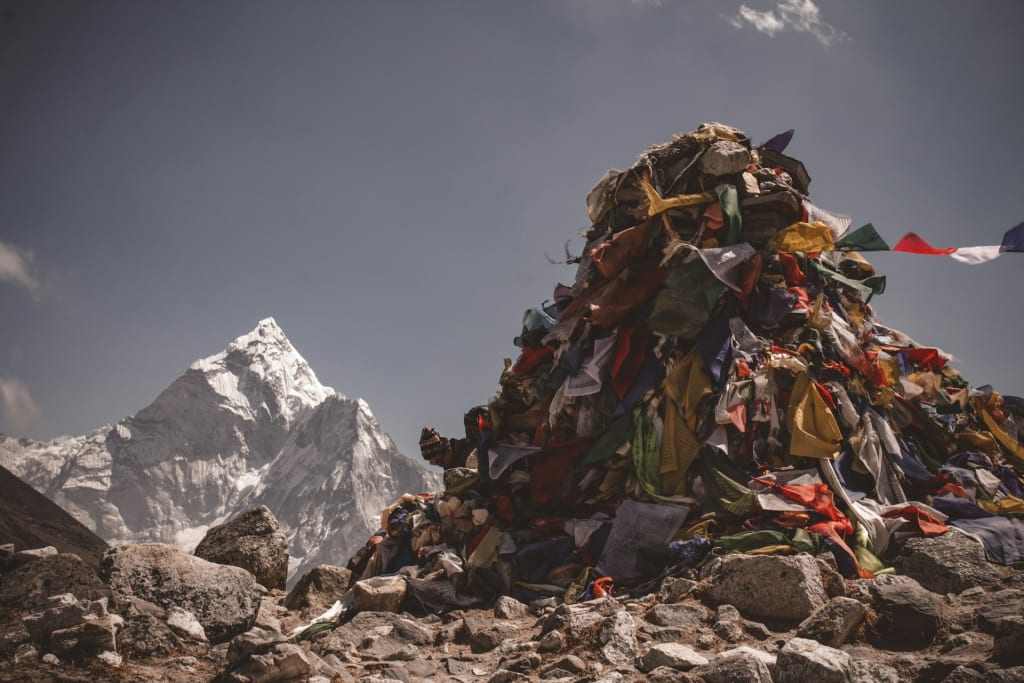
Everest Base Camp Trek is one of the most iconic and rewarding adventures in the world, offering stunning views of the Himalayas, rich Sherpa culture, and a sense of accomplishment like no other. While the trek is achievable for many, having a porter and guide can significantly enhance your experience, ensuring safety, comfort, and a deeper connection to the region. Here’s everything you need to know about hiring a porter and guide for your Everest Base Camp Trek.
Why Hire a Porter and Guide?
Safety and Navigation: The Everest Base Camp Trek involves high-altitude hiking, unpredictable weather, and challenging terrain. A guide ensures you stay on the right path, helps with acclimatization, and provides valuable advice to prevent altitude sickness. They are trained to handle emergencies and can make critical decisions if needed.
Physical Support: A porter carries your heavy gear, allowing you to trek with just a daypack. This reduces fatigue and lets you focus on enjoying the journey rather than struggling under the weight of your backpack.
Cultural Insight: Local guides are often from the Sherpa community and have deep knowledge of the region’s culture, history, and traditions. They can share fascinating stories, introduce you to locals, and help you understand the spiritual significance of the mountains.
Logistical Support: Guides handle permits, teahouse bookings, and communication with locals, making your trek hassle-free. They also ensure you have proper meals and accommodations along the way.
Economic Contribution: Hiring a porter and guide supports the local economy and provides livelihoods for the Sherpa community, who rely on tourism as a primary source of income.
What Does a Porter Do?
A porter is responsible for carrying your main luggage, typically up to 20-25 kg. They ensure your gear is transported safely between teahouses, allowing you to trek with only essential items like water, snacks, and a camera. Porters are incredibly strong and resilient, often carrying heavy loads at high altitudes with ease. While they may not speak much English, they are friendly and hardworking, making them an integral part of your trekking team.
What Does a Guide Do?
A guide is your leader, navigator, and cultural interpreter. They plan the daily itinerary, ensure you acclimatize properly, and provide information about the trail, mountains, and local culture. Guides are trained in first aid and high-altitude safety, making them invaluable in case of emergencies. They also act as a bridge between you and the local community, helping you connect with the people and places you encounter.
How to Choose a Porter and Guide
Reputable Agency: Book through a reputable trekking agency in Nepal. Look for agencies with positive reviews, proper licensing, and a commitment to ethical practices, such as fair wages and good working conditions for porters and guides.
Experience and Certification: Ensure your guide is licensed by the Nepal Tourism Board and has experience leading treks in the Everest region. Porters should be physically fit and familiar with the trail.
Communication Skills: Choose a guide who speaks good English (or your preferred language) to ensure clear communication throughout the trek.
Personal Recommendations: Ask for recommendations from friends or online forums. Personal experiences can help you find reliable and trustworthy guides and porters.
Fair Treatment: Ensure the agency treats its porters and guides ethically. Porters should be provided with proper gear, fair wages, and insurance.
Cost of Hiring a Porter and Guide
The cost of hiring a porter and guide varies depending on the agency, the duration of the trek, and the level of service. On average:
- Guide: 25−35 per day
- Porter: 20−25 per day
These costs typically include their wages, food, accommodation, and insurance. It’s customary to tip your guide and porter at the end of the trek as a gesture of appreciation. A standard tip is around 10-15% of their total fee.
Tips for Working with Your Porter and Guide
Respect and Appreciation: Treat your porter and guide with respect and kindness. They work hard to make your trek enjoyable and safe.
Pack Light: Keep your luggage under 20 kg to ensure your porter can carry it comfortably. Use a duffel bag instead of a suitcase for easier transport.
Communicate Clearly: Discuss your expectations, pace, and any concerns with your guide at the start of the trek. This helps them tailor the experience to your needs.
Stay Together: Stick with your guide and porter, especially in challenging sections of the trail. They know the route and can help you navigate safely.
Show Gratitude: At the end of the trek, thank your guide and porter for their hard work. A heartfelt tip and a kind word go a long way.
Conclusion
Hiring a porter and guide for your Everest Base Camp Trek is a decision that enhances your safety, comfort, and overall experience. They provide invaluable support, cultural insight, and logistical assistance, allowing you to fully immerse yourself in the beauty and adventure of the Himalayas. By choosing a reputable agency and treating your team with respect, you contribute to the local economy and ensure a memorable and rewarding trek. So, pack your bags, hire your support team, and get ready to conquer the trail to Everest Base Camp!
About the Creator
Enjoyed the story? Support the Creator.
Subscribe for free to receive all their stories in your feed.
Comments
There are no comments for this story
Be the first to respond and start the conversation.