
Photo Essay: Visiting Costa Rica For the First Time
(as a birder and general lover of wildlife)

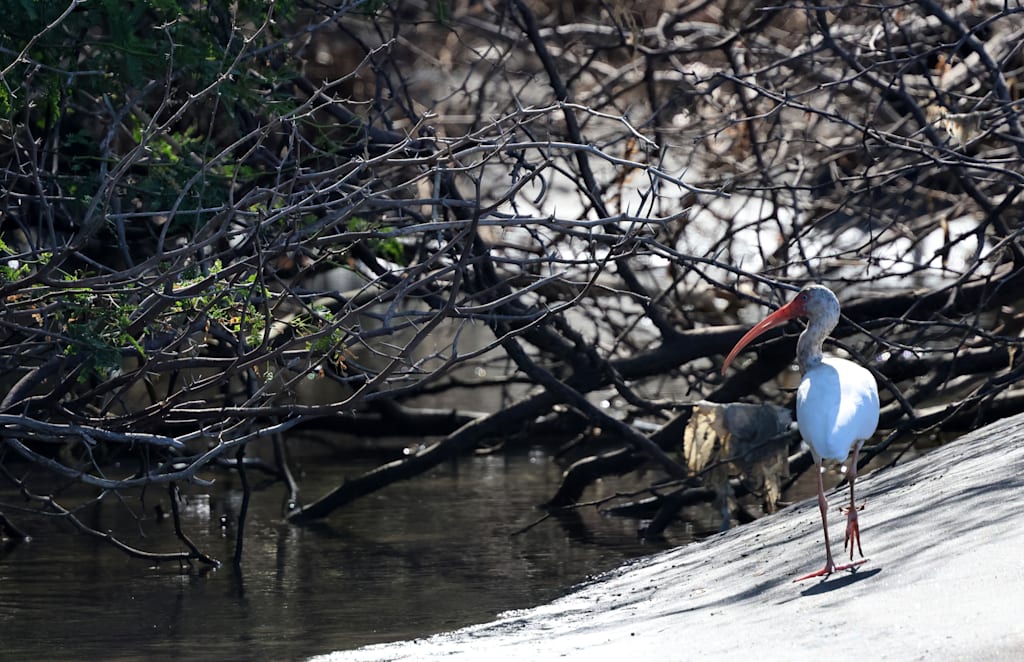
A while ago, I read (I think in Jurassic Park) that Costa Rica has over 900 species of birds. Birds are one of the most striking features of biodiversity in Costa Rica. The remarkable diversity is the result of Costa Rica’s varied ecosystems, ranging from tropical rainforests and cloud forests to mangroves and coastal wetlands, which create ideal habitats for both resident and migratory birds.
Colorado has around 500 species that have been observed in the state, so as a blooming birder, the idea that you could see that kind of variety in a smallish space made the country seem like a paradise (Colorado is quite a bit larger than Costa Rica, spanning roughly 104,185 square miles compared to Costa Rica's 19,730 square miles).
I managed to find an all-inclusive package to Costa Rica that included the flight, the resort and all meals for what was a pretty reasonable price for my somewhat modest single income. The resort was located right on the coast, but I wanted to make sure to try to get inland and into some of the other biomes available in Costa Rica, and so with some negotiation with the family that would be travelling with me, we decided on two different tours that would take us to Buena Vista Del Rincon Eco Adventure Park (around one hour from the resort, and more of a dry forest area) and Tenorio Volcano National Park (around two hours from the resort, and very much in the rainforest).
The Resort
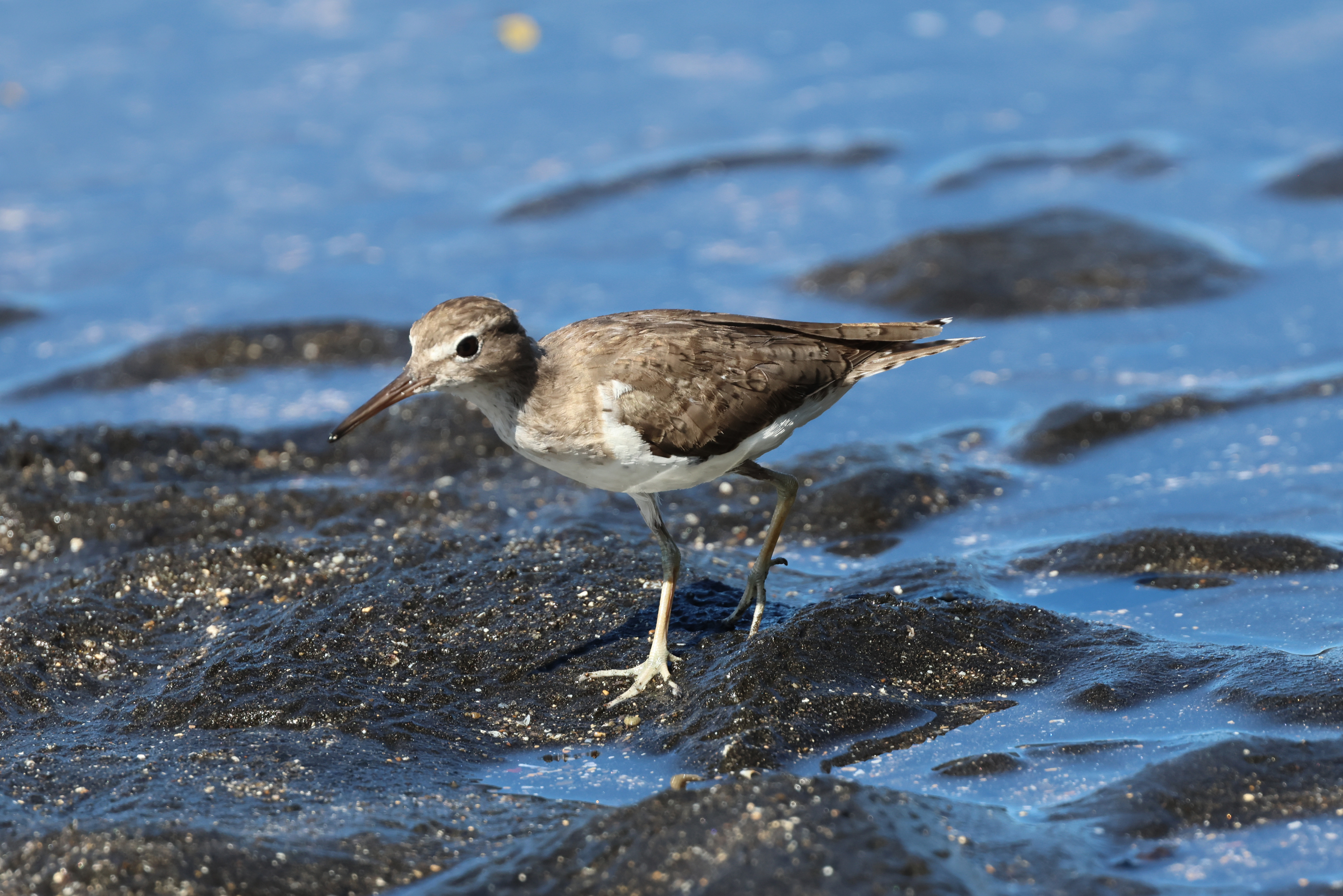
The resort was directly on the beach, and had a good variety of birds at the shore, and in trees nearby. There were also quite a few iguanas nearby, and we saw lots of common house geckos at night (a nocturnal species that would come out to feast on the bugs gathering at lights). We were also visited by monkeys briefly in the trees near the pool!
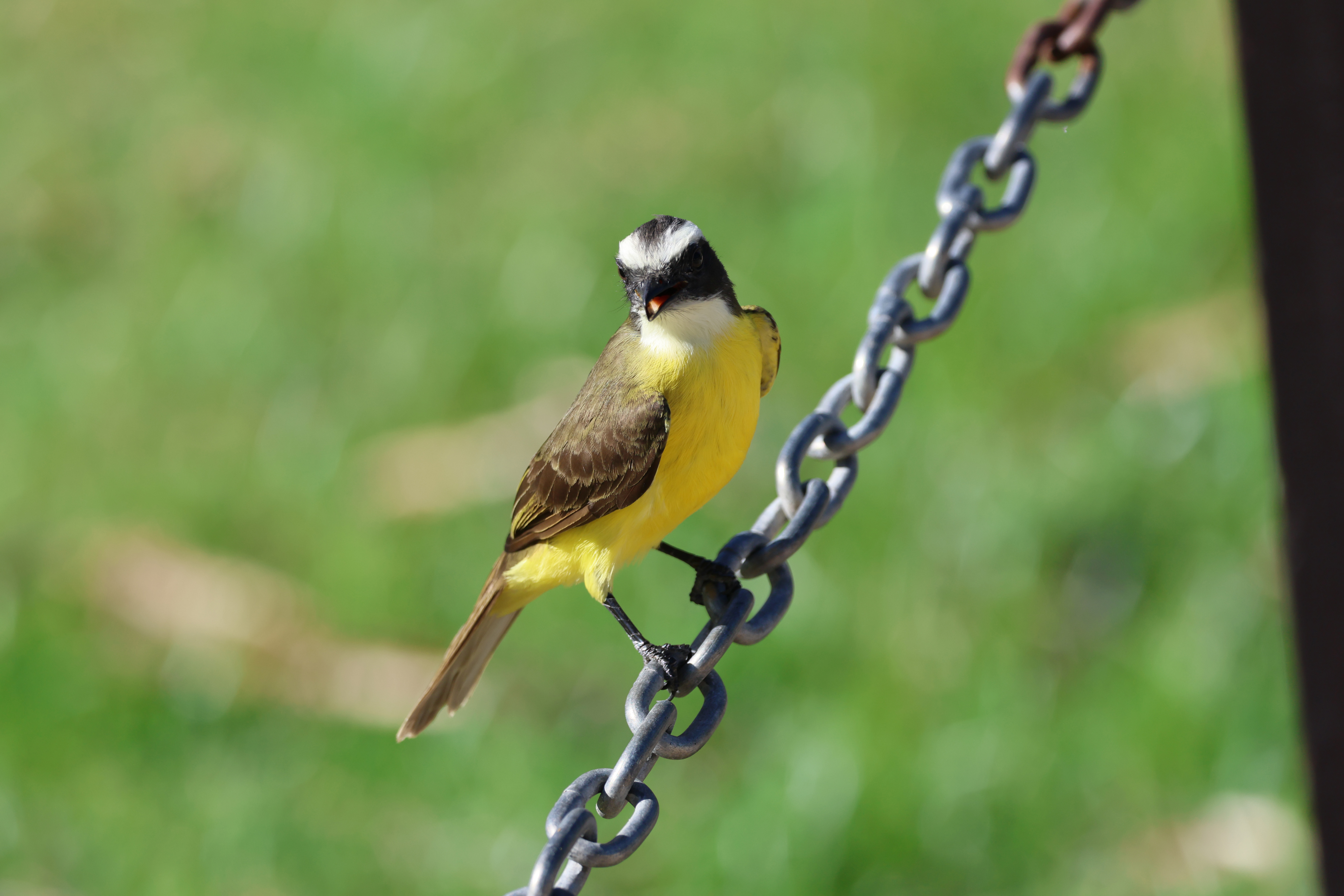
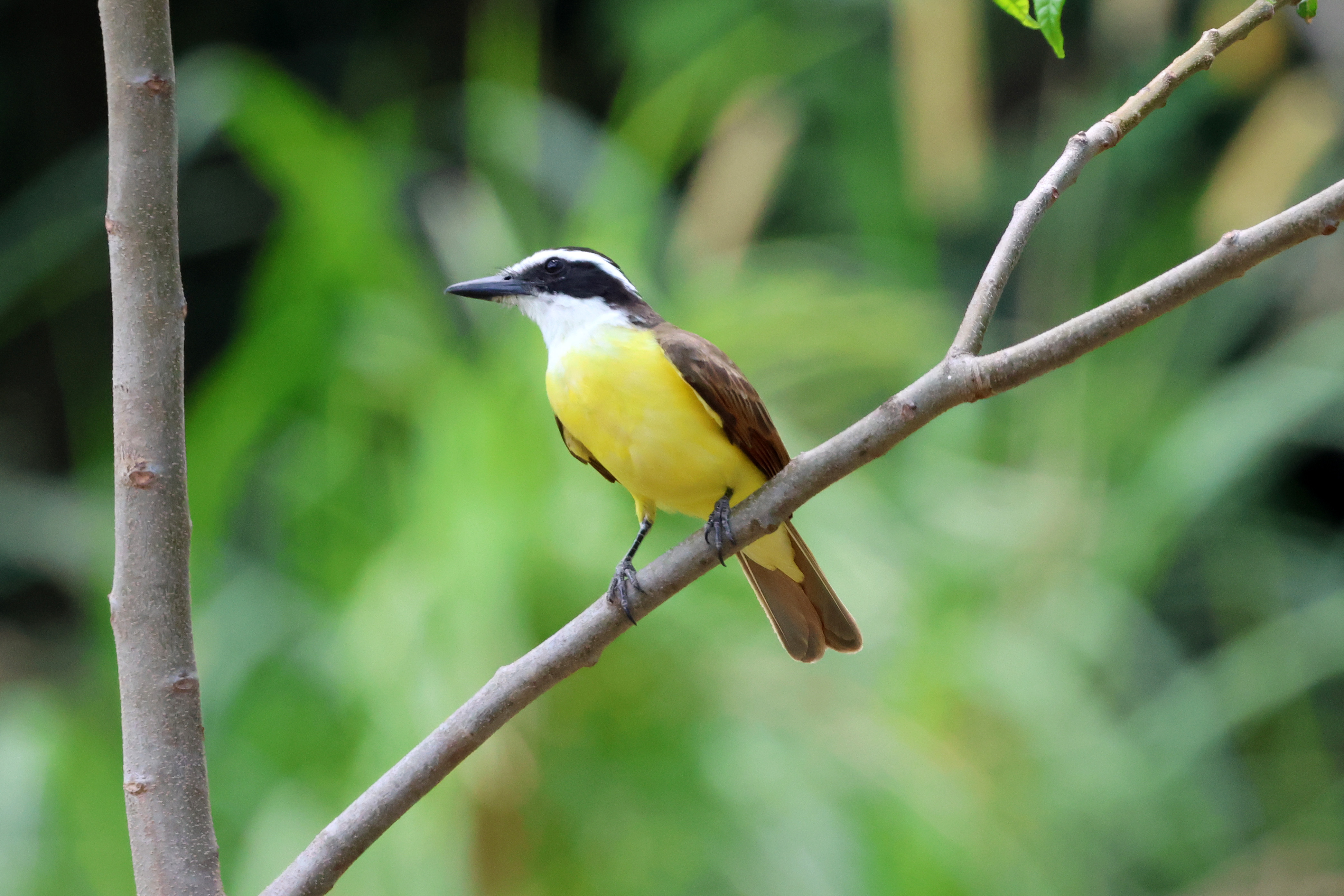
Kiskadees are everywhere in Costa Rica, especially in lower-elevation areas like Guanacaste, which is where we were staying. We saw a lot of flashing yellow and heard their cries often. They tend to hang out near water or in open woodlands, and they’re not picky eaters. These birds will go after just about anything they can catch, from insects and fruit to small fish or even frogs.
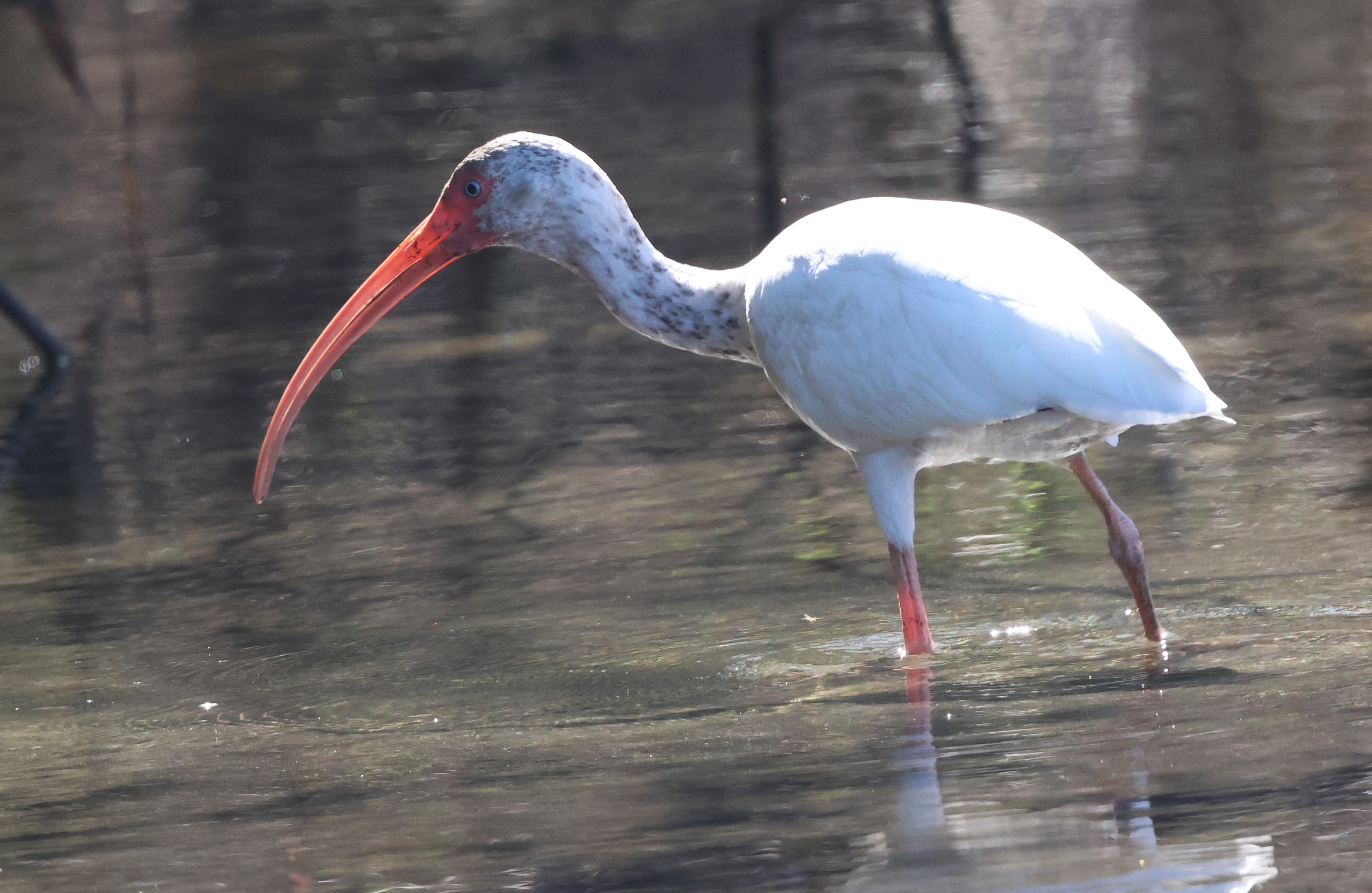
If you’re near wetlands or coastal areas in Costa Rica, you’ll likely see white ibises wading through shallow water with their long, curved bills. They’re pretty social birds, often moving around in small groups as they search the mud for crabs, insects, and other little snacks. This ibis is shown to be a juvenile due to the darker feathers still present around its head.
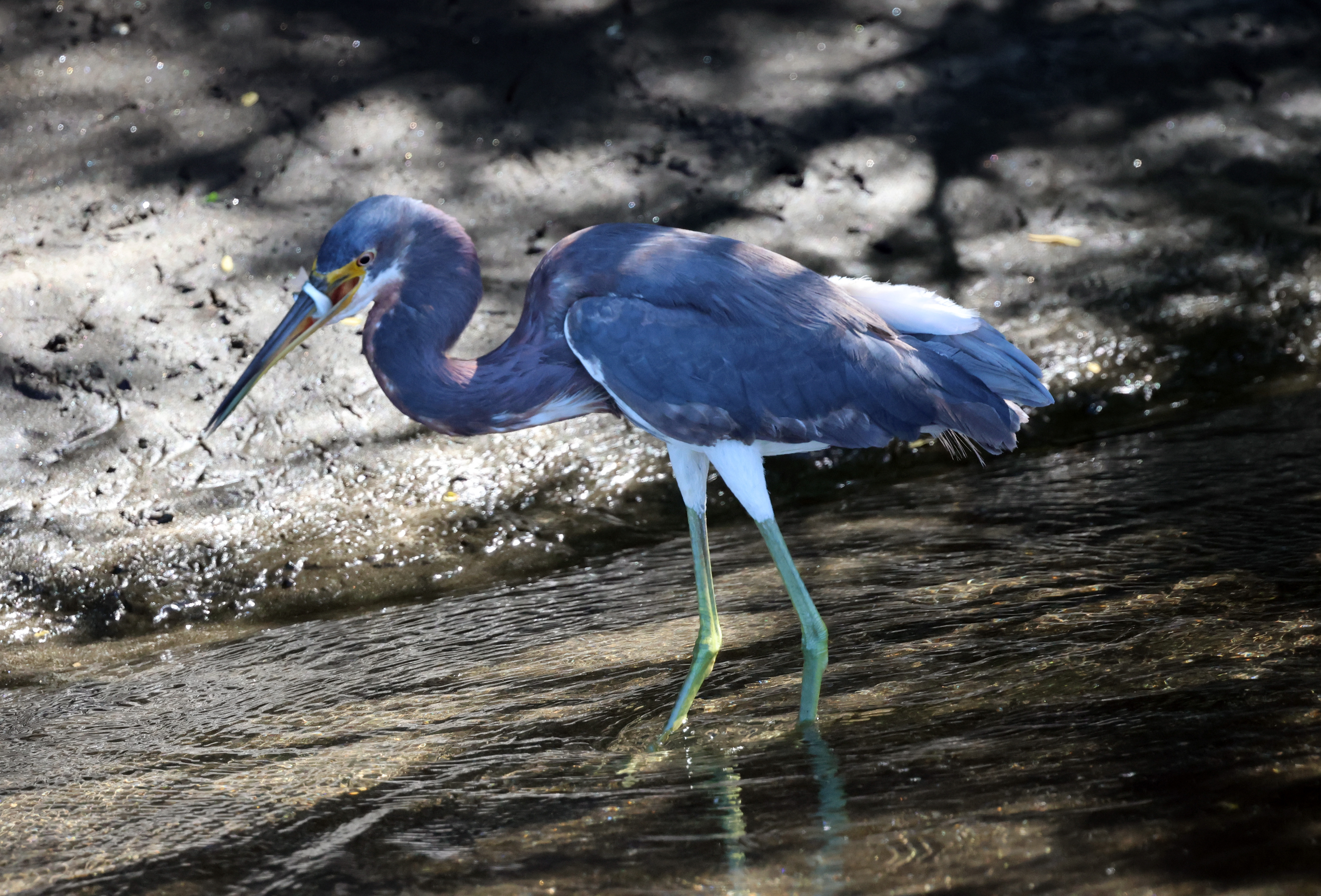
Like the white ibis, the tricolored heron likes to stalk slowly through the shallows. I saw this particular heron twice, hunting through the waters with the juvenile ibis. It’s a patient hunter, often pausing and then darting its bill quickly to catch small fish. When it gets excited or takes off, you’ll notice a flash of bluish-gray, white, and reddish tones that give the bird its name.
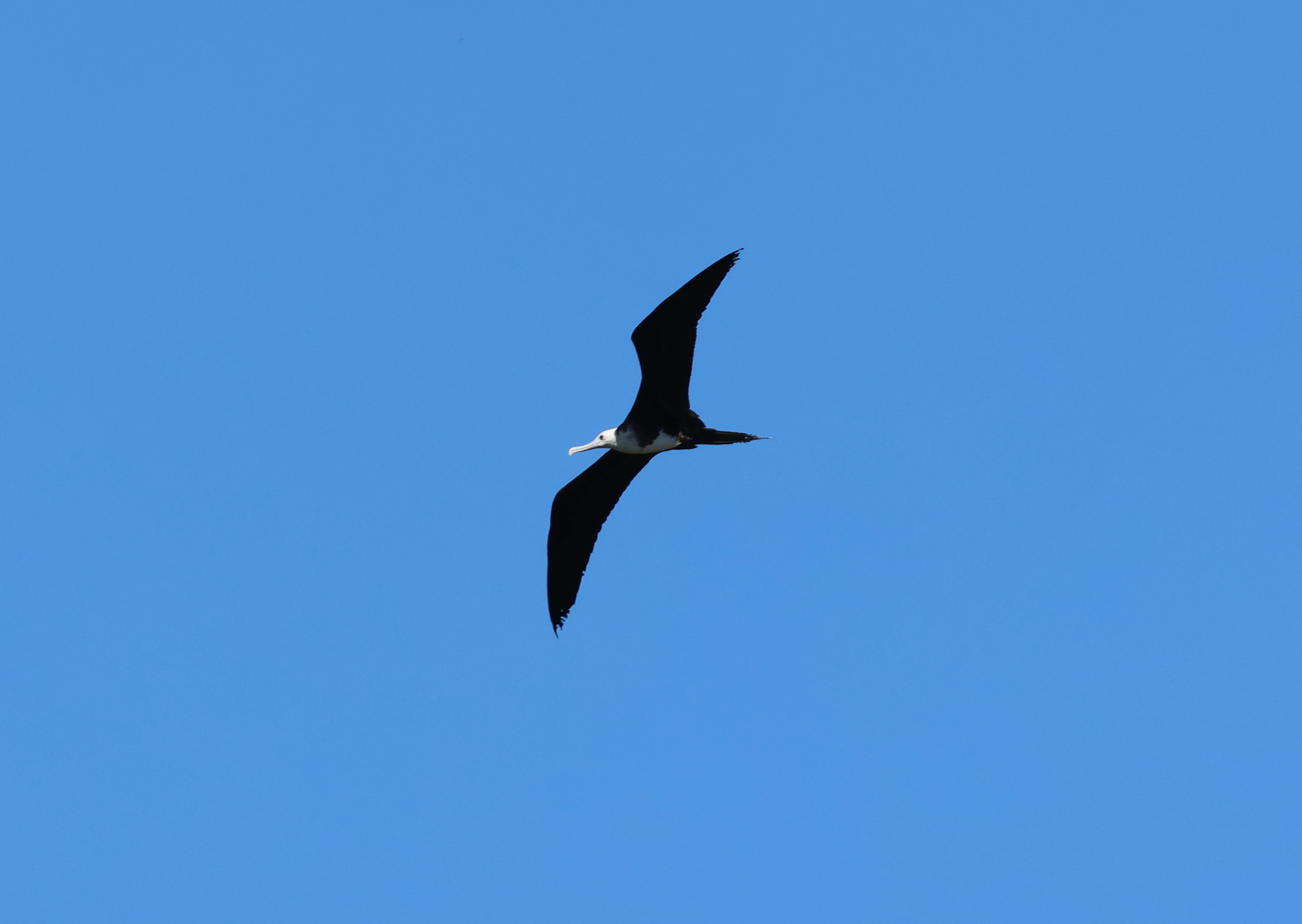
Some of the first birds I noticed when we pulled up to the resort were the soaring magnificent frigatebirds, which I kept thinking of as the "pointy" birds due to their long, distinctive angular wings. I was intrigued to see one that was much more white than the others, and after looking it up, realized that was a female, compared to the fully black males.
Buena Vista Del Rincon Eco Adventure Park
The Buena Vista Del Rincon Eco Adventure Park is certainly more geared towards educational and recreational activities, but of course I took my camera and saw several new birds and the biggest iguana of the trip.
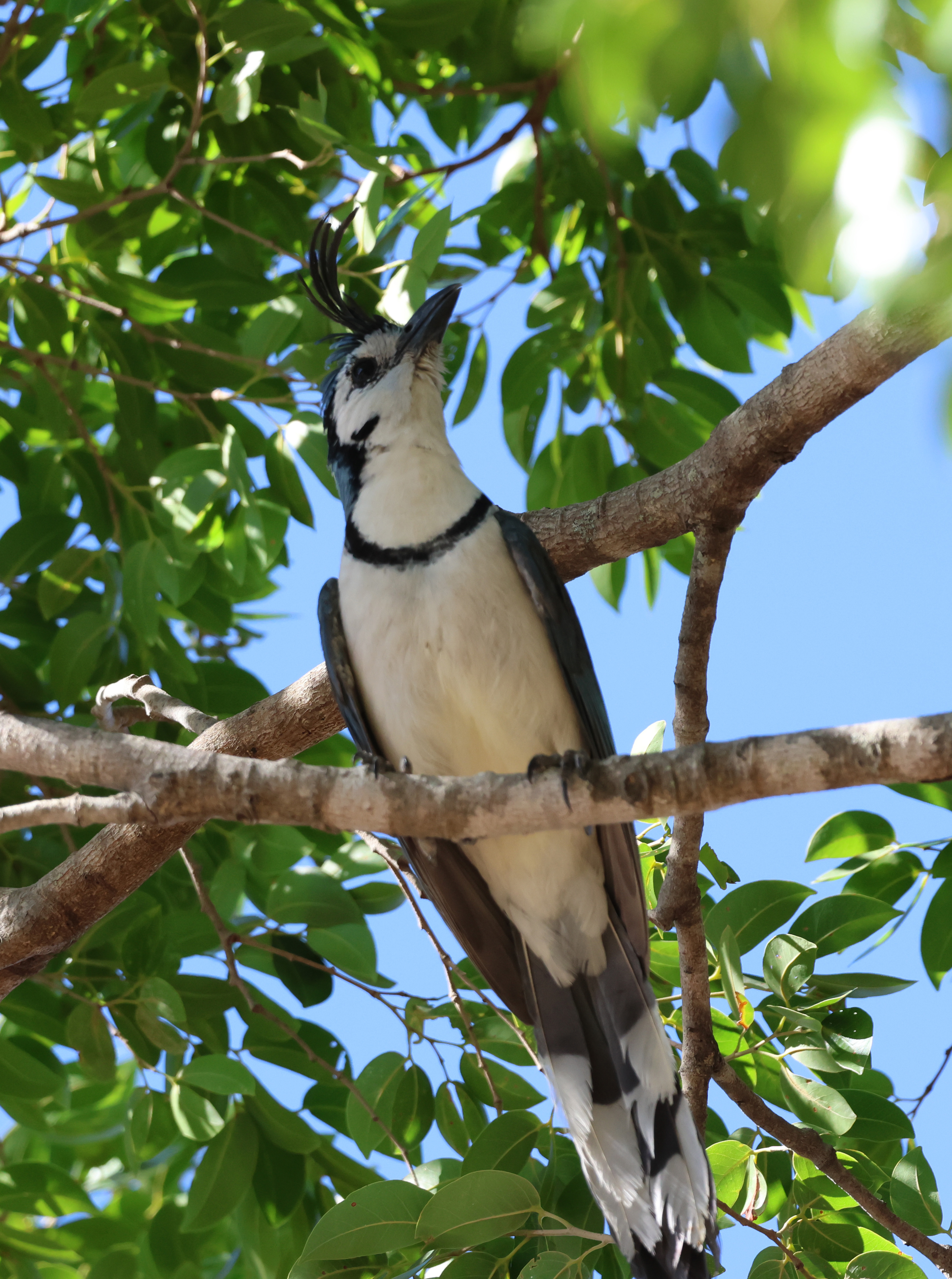
Like the North American blue jay, the white-throated magpie-jay is quite noisy and flashy. In fact, several of the staff at the adventure park referred to them as 'blue jays'. The behavior is noticeably similar, as well as the pattern of white, black and blue feathers. But the large crest of feathers on the top of the head is a noticeable difference, and quite fashionable!
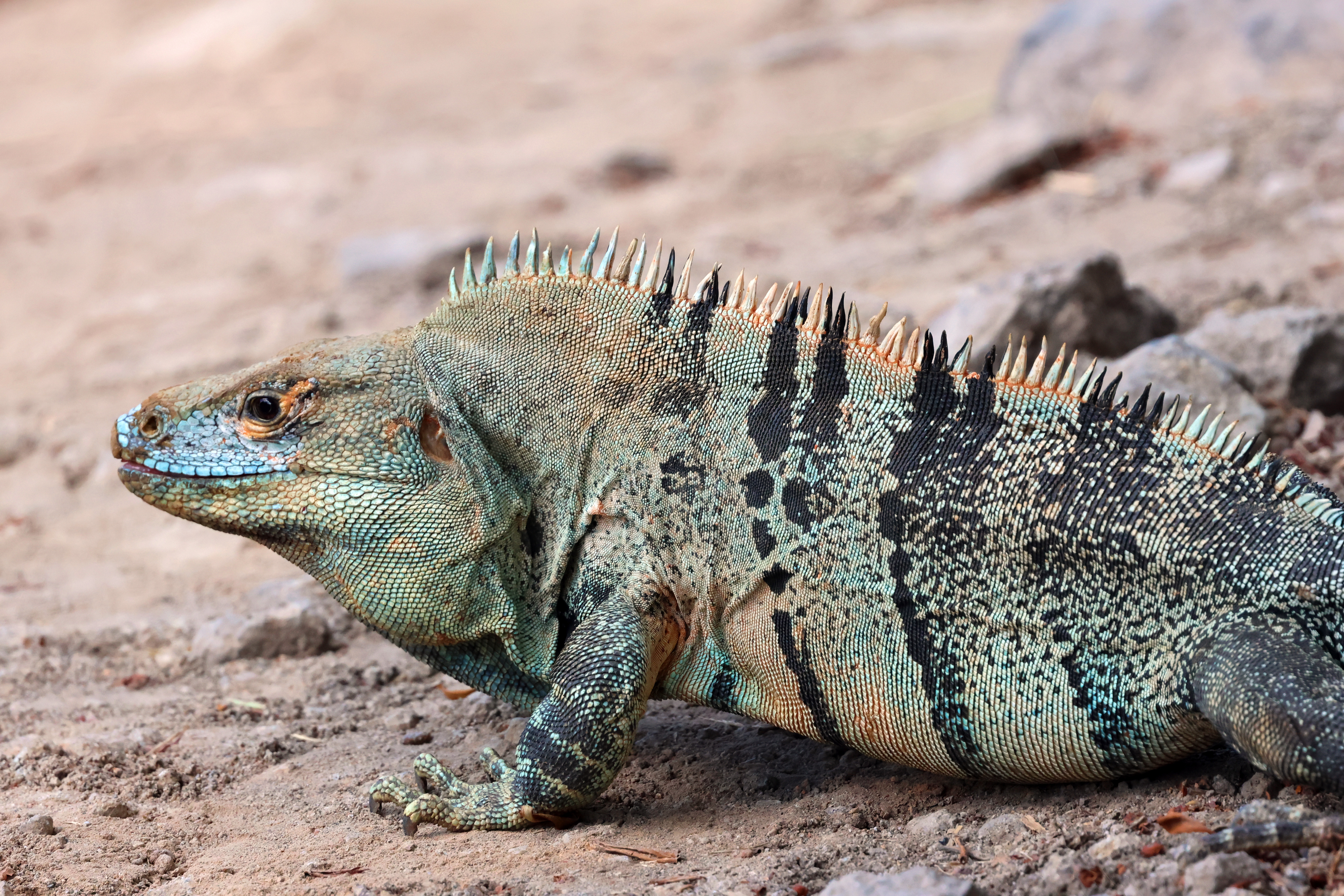
Black spiny-tailed iguanas are seen often in dry forests or coastal areas, and I saw them quite often basking in the sun, though I had the pleasure of seeing one climb up a tree to lounge along a branch. Despite their tough, spiky look, they mostly munch on plants, though they’ll occasionally snack on insects or small animals.
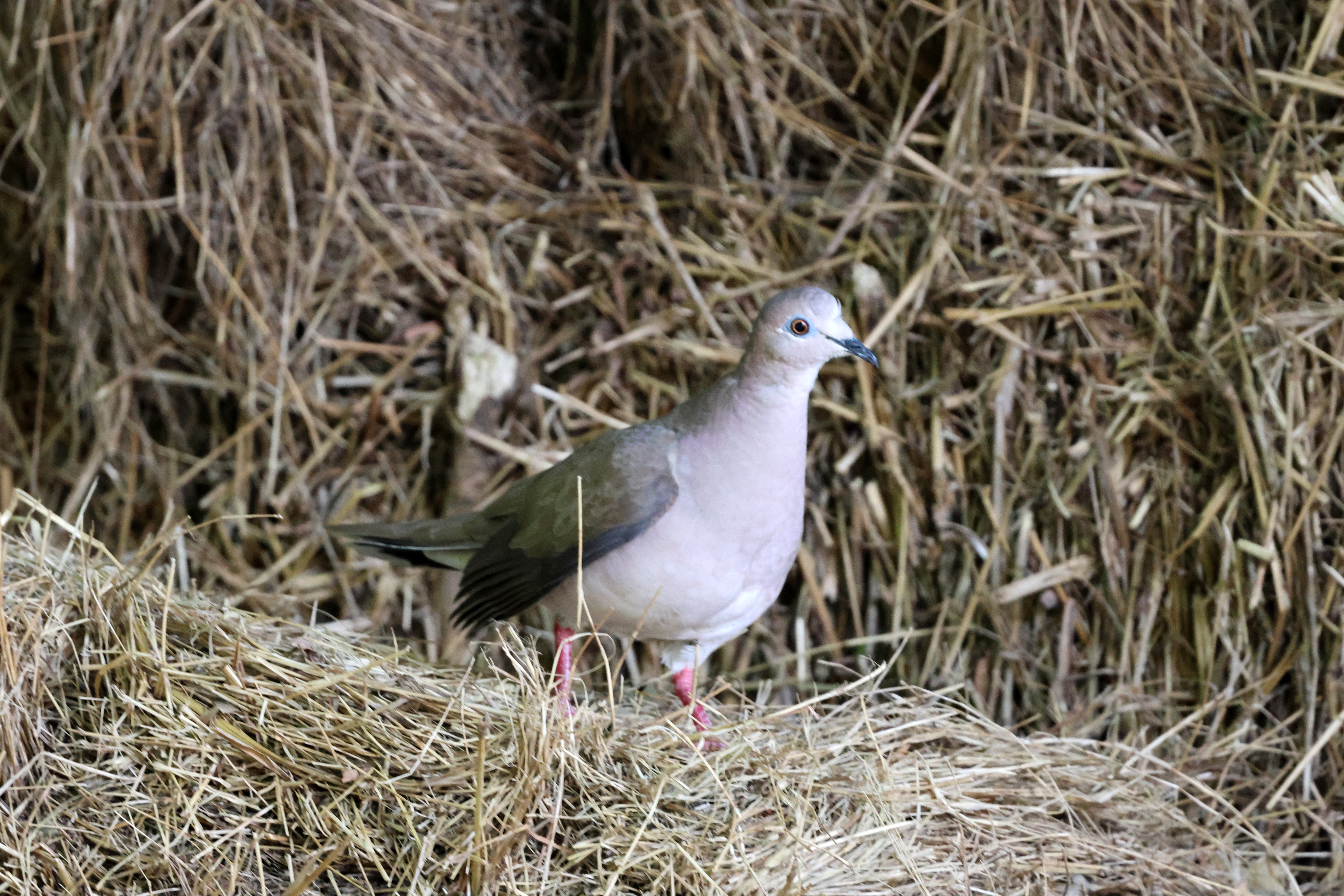
If you’re wandering through forest edges or gardens in Costa Rica, you might catch a glimpse of a white-tipped dove quietly moving along the ground. Like their cousin, the mourning dove, you’ll often hear their soft calls (which I thought kind of sounded like blowing across the neck of a bottle) before you actually see them.
Tenorio Volcano National Park
Tenorio Volcano National Park includes volcanic, cloud forest and rainforest areas. We specifically visited one of the rainforest areas on a tour to look for sloths. We saw three sloths and several other lovely rainforest visitors, including keel-billed toucans, tree frogs, poison dart frogs and even an eyelash viper.
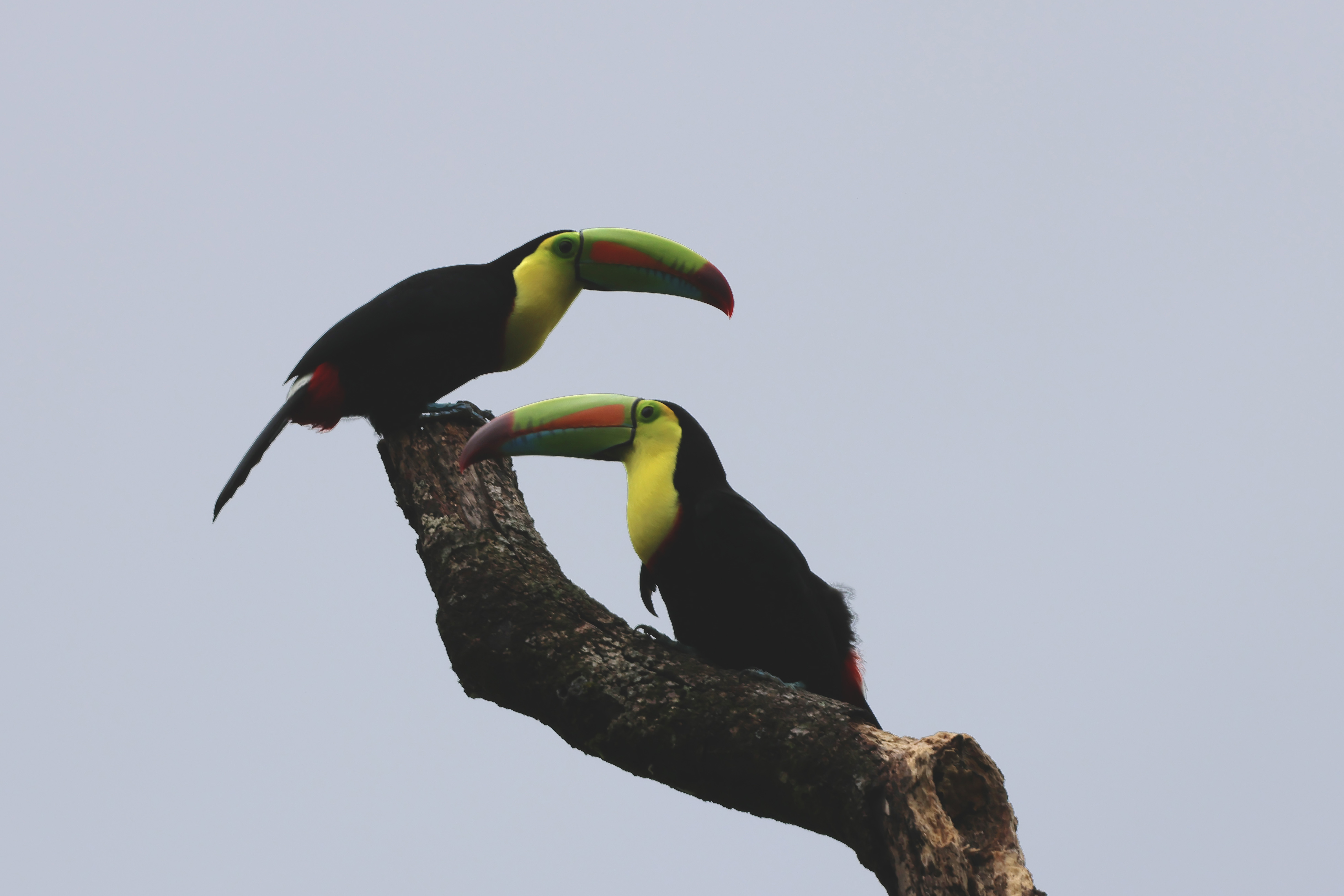
While we heard toucans several times (they have a pretty noticeable, croaky call), these are the only two we saw, the very vibrantly colored keel-billed toucan. Despite the very overcast sky of the rainforest, they were clearly seen due to their bright colors.
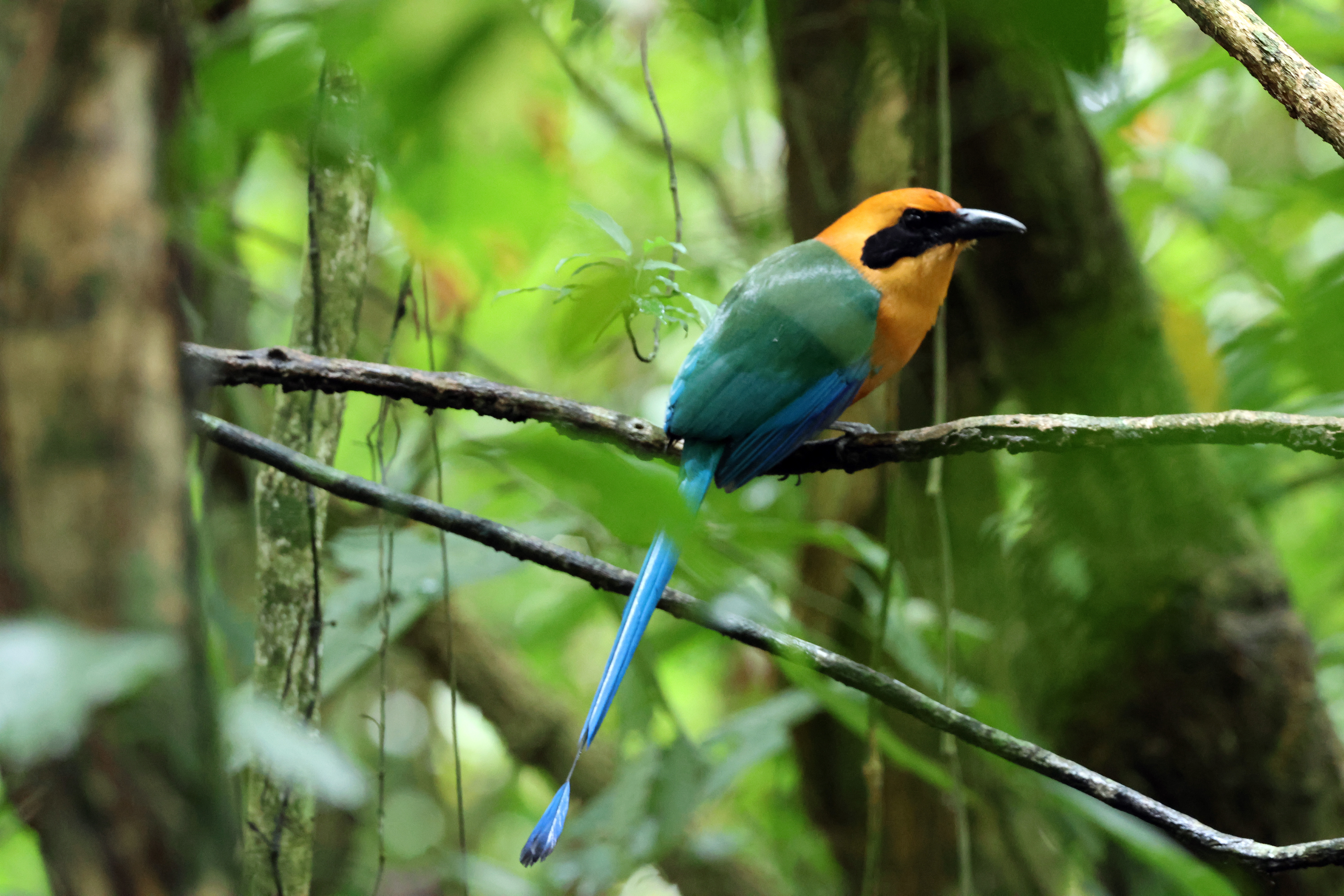
Motmots are colorful tropical birds with the long tails that look like they’ve been carefully trimmed into stylish paddle at the ends. If you watch them for a bit, they’ll often sit really still and then suddenly flick that tail back and forth like a pendulum.
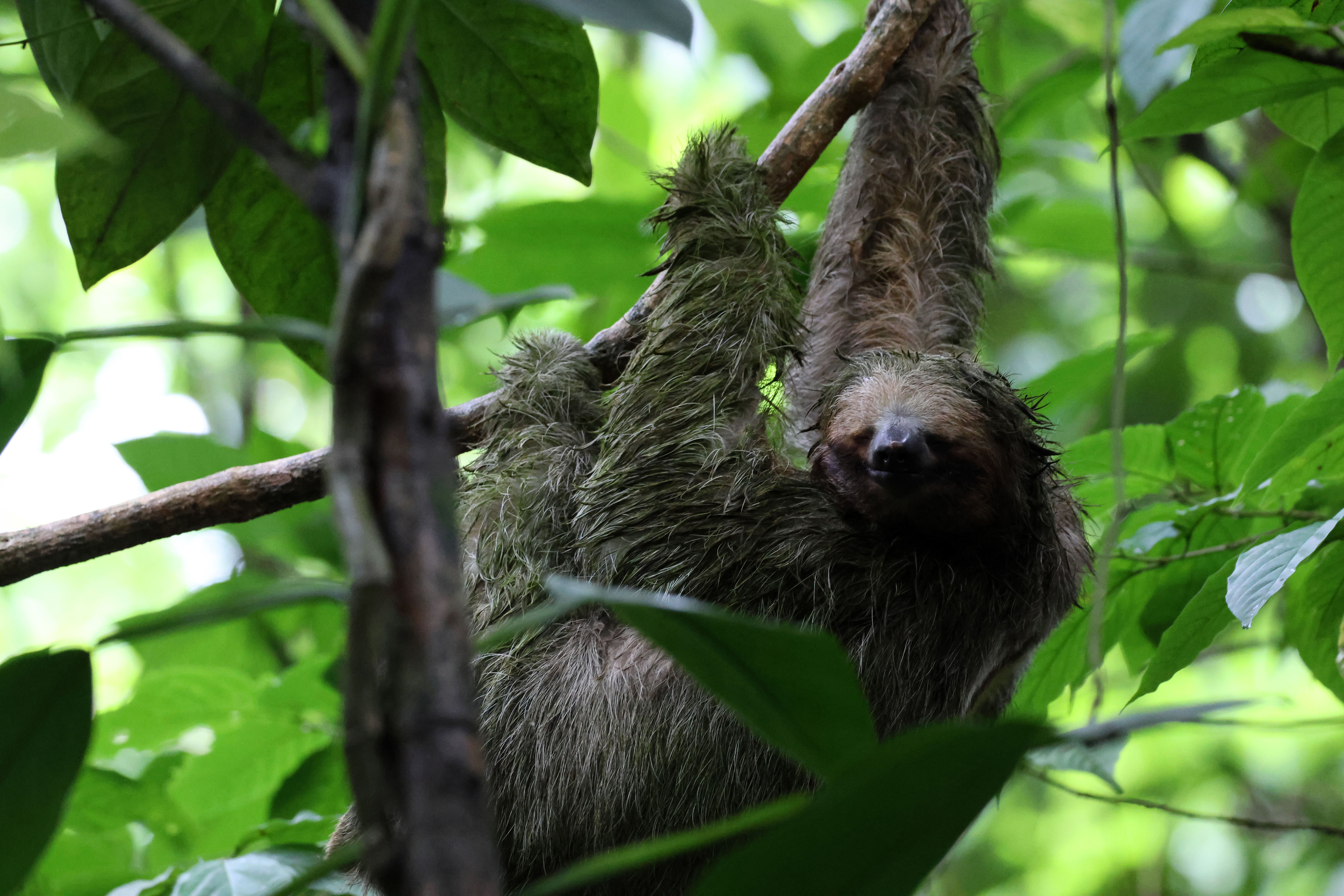
Three-toed sloths are about as chill as animals get. They move so slowly that you might not even notice one at first in the trees. The most common one you’ll see is the brown-throated three-toed sloth, and it spends most of its life hanging upside down, just munching leaves and napping. The greenish tint to their fur is from algae, which helps them blend into the rainforest canopy and avoid predators.
Our guide was sure to tell us that they only come down once a week to go to the bathroom, and they will always pick the same spot.
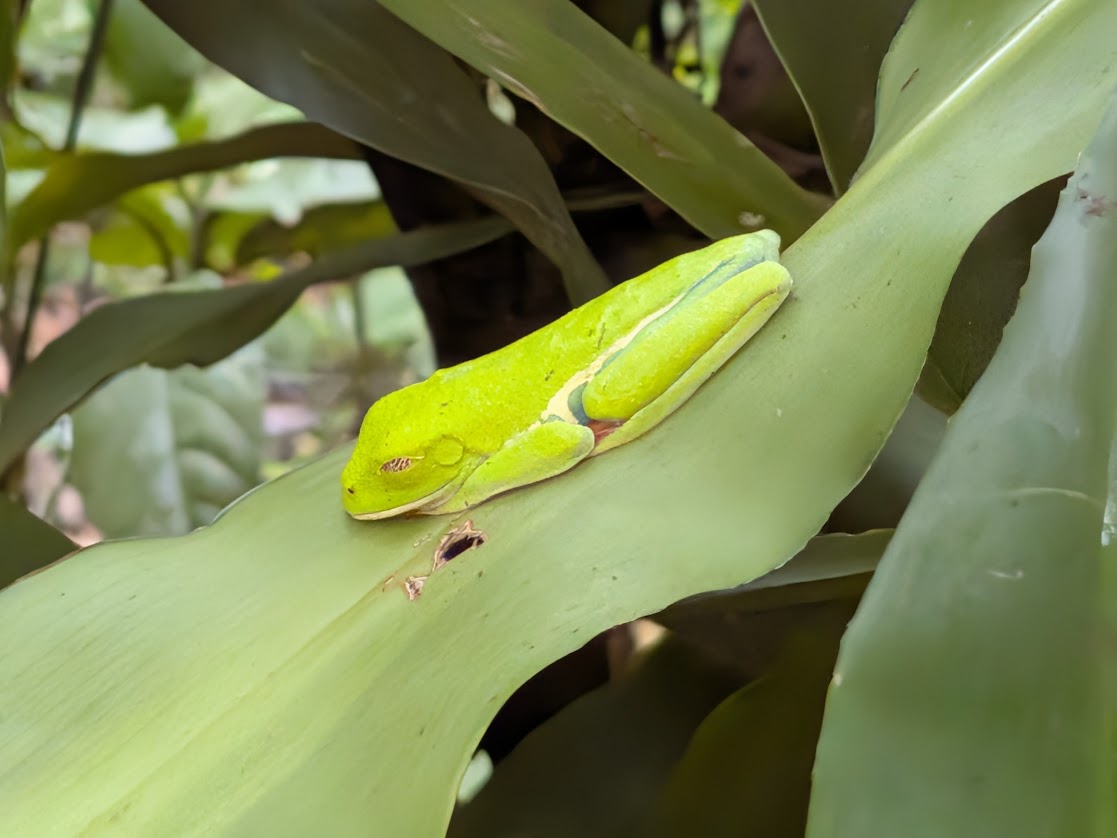
This little tree frog is nocturnal, so we only managed to see it while taking a snooze. The striped pattern on the nictating membrane (a kind of third eyelid) protects the big red eyes it is named for.
About the Creator
Erica J.
Chronic-pain sufferer just trying to be healthy and enjoy life while bird lurking and photographing nature. Purchase photo prints and read birding blogs: https://linktr.ee/erica80hd
Enjoyed the story? Support the Creator.
Subscribe for free to receive all their stories in your feed.
Comments
There are no comments for this story
Be the first to respond and start the conversation.