
Palm Shell Pyrolysis Recycling: Soil Remediation & Regenerative Agriculture
A Circular Approach to Agriculture
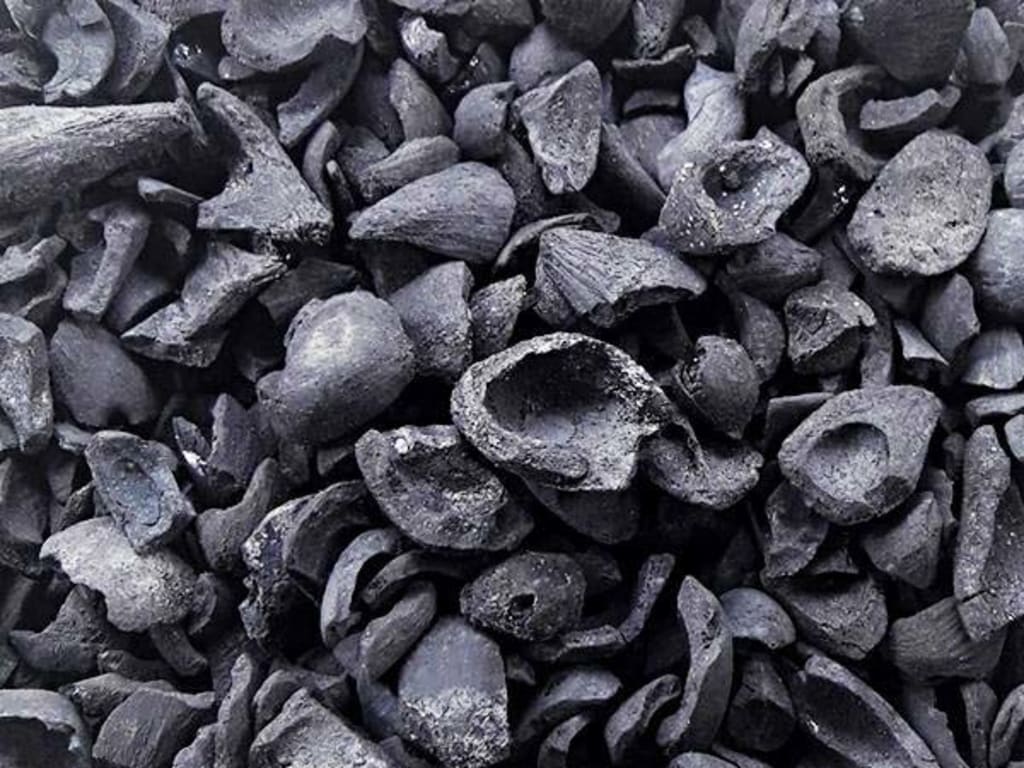
Palm oil production generates vast quantities of by-products, and one of the most abundant is the palm shell. Traditionally treated as agricultural waste, these shells can now be transformed into a valuable resource through pyrolysis. Pyrolysis converts organic matter into biochar, bio-oil, and syngas, but it is the biochar fraction that has attracted significant attention for soil remediation and regenerative agriculture. This article explores how palm shell pyrolysis recycling contributes to healthier soils, sustainable farming, and long-term environmental benefits.
Understanding Palm Shell Biochar
Palm shells are dense, lignocellulosic materials with high carbon content, making them ideal feedstocks for pyrolysis. When subjected to controlled thermal decomposition in low-oxygen environments, these shells transform into biochar—a stable, carbon-rich solid. The process not only captures carbon that would otherwise be released as CO₂ but also creates a material with unique properties beneficial to soils.
Palm shell biochar has a porous structure, high surface area, and cation exchange capacity (CEC), which are critical characteristics for enhancing soil fertility. Its inherent alkalinity can also help mitigate soil acidity, a common problem in tropical and degraded agricultural lands. Unlike raw biomass, biochar is chemically stable, which means it can persist in soils for decades or even centuries, providing long-term benefits.
Soil Remediation Potential
One of the most promising applications of palm shell biochar is in soil remediation. Degraded soils often suffer from nutrient depletion, heavy metal contamination, or poor water retention. Palm shell biochar addresses these issues in several ways:
- Heavy Metal Immobilization: The porous structure and functional groups on biochar surfaces can adsorb metals such as lead, cadmium, and arsenic, reducing their bioavailability. This immobilization prevents toxic elements from entering the food chain and restores safer conditions for plant growth.
- Enhanced Microbial Activity: Biochar creates microhabitats within its porous network, supporting beneficial soil microbes. Increased microbial diversity accelerates the breakdown of organic pollutants, enhances nutrient cycling, and improves soil structure.
- pH Stabilization: Acidic soils can limit crop productivity. The alkaline nature of palm shell biochar helps neutralize acidic conditions, improving nutrient availability and creating a more hospitable environment for plants.
- Organic Contaminant Adsorption: Biochar can adsorb pesticides, hydrocarbons, and other organic pollutants, reducing their mobility and potential ecological harm. This property is particularly valuable in rehabilitating lands previously exposed to industrial or agricultural contaminants.
Applications in Regenerative Agriculture
Beyond remediation, palm shell biochar plays a vital role in regenerative agricultural practices. Regenerative agriculture focuses on rebuilding soil health, enhancing biodiversity, and sequestering carbon, and biochar aligns perfectly with these goals.
- Soil Water Retention: The high porosity of biochar improves soil’s ability to retain water, which is crucial for drought-prone regions. Crops experience less stress, irrigation demands are reduced, and water efficiency is improved.
- Nutrient Retention: Biochar acts as a nutrient reservoir. Fertilizers applied to biochar-amended soils are less prone to leaching, ensuring that essential nutrients remain available to crops over longer periods.
- Carbon Sequestration: Integrating biochar into soil locks carbon away for decades. This contributes to climate mitigation efforts while simultaneously enhancing soil organic matter.
- Enhanced Crop Yields: Studies have shown that biochar application can lead to significant yield improvements, especially when combined with compost or organic fertilizers. This is particularly valuable for smallholder farmers seeking sustainable intensification.
Implementation Considerations
While palm shell biochar offers clear benefits, effective palm shell charcoal machine implementation requires careful consideration of application rates, pyrolysis conditions, and soil types.
- Pyrolysis Temperature: Higher pyrolysis temperatures generally produce biochar with higher stability and surface area but lower nutrient content. Lower temperatures preserve more nutrients but may yield less structurally robust biochar. Selecting the right temperature depends on the desired soil function.
- Particle Size: Fine biochar particles can improve soil integration and microbial colonization, whereas larger particles provide better aeration and long-term structural benefits.
- Application Rate: Excessive biochar application may alter soil pH too drastically or affect nutrient balance. Typical rates range from 5 to 20 tons per hectare, depending on soil conditions and crop requirements.
- Co-Amendments: Combining biochar with compost, manure, or other organic matter can synergistically enhance soil fertility, microbial activity, and overall soil health.
Conclusion
Palm shell pyrolysis recycling represents a compelling solution for turning agricultural waste into a powerful tool for soil restoration and regenerative agriculture. By improving nutrient retention, water holding capacity, microbial activity, and carbon sequestration, palm shell biochar addresses both environmental and agricultural challenges. As global interest in sustainable farming practices grows, leveraging palm shell biochar not only reduces waste but also contributes to resilient, productive, and climate-friendly agricultural systems. Recycling palm shells through pyrolysis is more than waste management—it is a pathway to healthier soils, stronger ecosystems, and sustainable food production.
About the Creator
Enjoyed the story? Support the Creator.
Subscribe for free to receive all their stories in your feed.
Comments
There are no comments for this story
Be the first to respond and start the conversation.