
Oil-Based Drill Cuttings Treatment Solution With Oil Sludge Pyrolysis
The Future of Sustainable Oil Waste Management

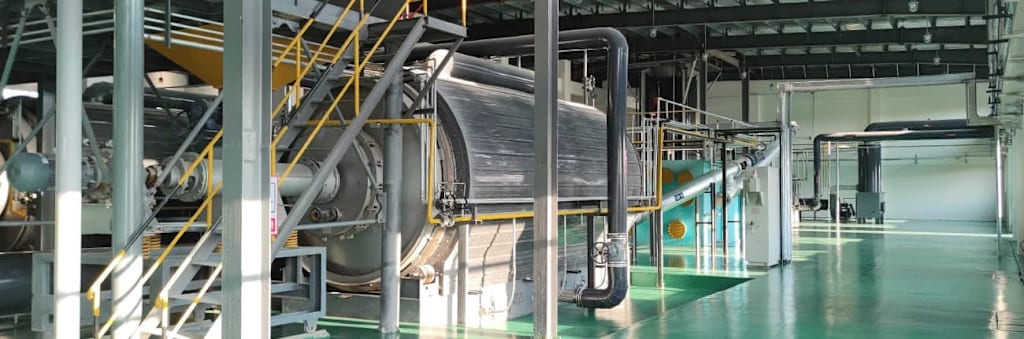
The rapid expansion of oil and gas exploration has led to a growing environmental challenge: the management of oil-based drill cuttings and oil sludge. These waste streams are typically hazardous, complex, and costly to treat using conventional methods. However, pyrolysis technology offers an increasingly effective and sustainable solution. By thermally decomposing oily waste in an oxygen-free environment, pyrolysis can recover valuable hydrocarbons while significantly reducing environmental risks.
This article explores how oil sludge pyrolysis provides a practical treatment solution for oil-based drill cuttings, and why it is becoming a preferred technology in modern waste management strategies.
Understanding Oil-Based Drill Cuttings and Oil Sludge
Oil-based drill cuttings are solid materials generated during drilling operations when rock fragments are coated with oil-based drilling fluids. These cuttings often contain hydrocarbons, heavy metals, and chemical additives, making them difficult to dispose of safely.
Oil sludge, on the other hand, is a semi-solid waste produced during crude oil storage, transportation, and refining processes. It typically contains a mixture of oil, water, and solid impurities. Due to its complex composition, oil sludge is classified as hazardous waste in many regions.
Traditional disposal methods such as landfilling, land spreading, or incineration are increasingly restricted due to environmental regulations and high treatment costs. This has created a strong demand for more efficient and cleaner technologies.
Pyrolysis as a Treatment Technology
Pyrolysis is a thermochemical process that heats organic materials in the absence of oxygen. In the case of oil-based drill cuttings and oil sludge, pyrolysis breaks down long-chain hydrocarbons into simpler components, producing three main outputs: recovered oil, non-condensable gas, and solid residue.
Unlike incineration, pyrolysis does not involve combustion. This means fewer harmful emissions such as dioxins and NOx, making it a cleaner alternative for hazardous waste treatment.
The process typically takes place in a sealed reactor where temperature is carefully controlled. As the material is heated, moisture evaporates first, followed by the decomposition of hydrocarbons. These vapors are then condensed into reusable oil products, while gases can be recycled to provide energy for the system.
Treatment Process of Oil-Based Drill Cuttings
The treatment of drill cuttings using pyrolysis usually begins with pre-treatment steps such as screening, dewatering, and size reduction. This ensures consistent feedstock and improves thermal efficiency.
Once inside the pyrolysis reactor, the cuttings are gradually heated to high temperatures in a controlled oxygen-free environment. The oil content within the cuttings vaporizes and is collected through a condensation system, producing a type of recovered oil that can be reused as industrial fuel or further refined.
The remaining solid residue is significantly reduced in oil content and volume. In many cases, it can be safely used in construction materials or disposed of as non-hazardous waste, depending on regulatory standards.
Oil Sludge Pyrolysis and Resource Recovery
Oil sludge pyrolysis follows a similar process but often requires more advanced handling due to its higher moisture and impurity content. During treatment, water is separated first, followed by thermal decomposition of hydrocarbons.
The recovered oil from oil sludge pyrolysis plant is typically heavier and may require additional refining, but it still holds significant energy value. The non-condensable gas produced during the process can be reused to heat the reactor, improving overall energy efficiency and reducing operational costs.
This resource recovery aspect is one of the key advantages of pyrolysis compared to traditional disposal methods, which simply destroy or bury valuable hydrocarbons.
Regulatory and Industry Trends
With increasing environmental regulations in the oil and gas sector, many countries are tightening restrictions on hazardous waste disposal. This has accelerated the adoption of advanced treatment technologies such as pyrolysis.
At the same time, the industry is moving toward circular economy models, where waste is viewed as a resource rather than a burden. Oil sludge pyrolysis aligns well with this trend by enabling resource recovery and energy reuse.
In offshore drilling operations and remote oil fields, mobile or modular pyrolysis units are also gaining attention due to their flexibility and reduced transportation requirements.
Future Outlook
The future of oil-based drill cuttings and oil sludge treatment is expected to be shaped by automation, efficiency improvements, and stricter environmental standards. Continuous pyrolysis systems with integrated gas recycling and digital monitoring are likely to become the industry standard.
As technology advances, recovery rates of oil and energy efficiency will continue to improve, making pyrolysis even more economically attractive. Integration with carbon management systems may also allow these projects to contribute to emissions reduction targets.
Conclusion
Oil sludge pyrolysis provides a practical and efficient solution for treating oil-based drill cuttings and hazardous petroleum waste. By combining waste reduction, energy recovery, and environmental protection, it transforms a difficult disposal problem into a valuable resource recovery process.
As the oil and gas industry continues to evolve toward more sustainable practices, pyrolysis technology is expected to play an increasingly important role in modern waste management strategies.
About the Creator
Bestonpyrolysis
Engaged in waste plastic/tyre/rubber recycling, oil sludge treatment, biomass recycling, sewage sludge management and paper recycling…
https://bestonpyrolysisplant.com/
Enjoyed the story? Support the Creator.
Subscribe for free to receive all their stories in your feed.
Comments
There are no comments for this story
Be the first to respond and start the conversation.