
Ocean warming is not the only significant hazard to coral reefs.
An illness that consumes coral

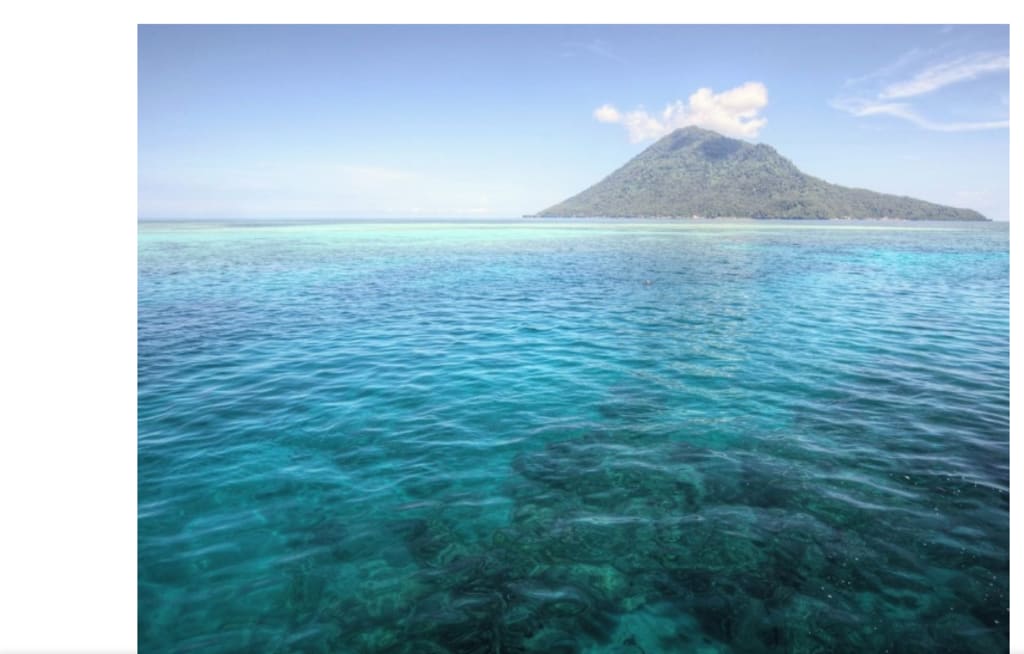
Rising ocean temperatures are one of the main causes of the numerous dangers that corals face. Corals lose their colour and finally perish from bleaching when the water becomes too warm.
New research, however, indicates a significant hazard to coral life that is unrelated to temperature. According to the study, coral illnesses can be brought on by nutrient imbalances in saltwater.
An illness that consumes coral
Black Band Disease, or BBD, is one of the main issues. As it moves across coral colonies, it generates dark bands that damage live tissue. The bare coral skeleton is all that's left. Although the disease has been observed in reefs all over the world for many years, scientists are still unsure of why outbreaks occur in some locations but not in others.
Records of Black Band Disease outbreaks from 2000 to 2023 were examined in the new study. Eighty-eight percent of recorded outbreaks occurred in regions where the nutrients in seawater were severely out of balance, according to research. Reefs that have recently experienced heat stress accounted for just 16%.
The coral is where problems begin.
Corals are animals, however they coexist with enormous populations of bacteria and other microorganisms as well as microscopic algae to thrive. They collectively make up what scientists refer to as the coral microbiome. This hidden ecology aids corals in withstanding stress and disease when everything remains in balance.
According to Professor Cecilia D'Angelo of the University of Southampton, "the interactions between members of the coral microbiome begin to break down when nutrients are out of balance." "This makes room for opportunistic microbes to colonise and spread illness."
Scientists at Southampton's Coral Reef Laboratory changed the amounts of phosphate and nitrate in saltwater inside experimental tanks. These distorted nutrient ratios caused corals to develop lesions that were very similar to natural Black Band Disease. Additionally, the bacteria responsible for those lesions were remarkably comparable to those observed in actual reef outbreaks.
A subtle change beneath the surface
According to the study, when nutrient levels moved too far out of balance, beneficial microbial networks inside corals broke apart. Cyanobacteria are fast-growing germs that proliferated quickly once those networks deteriorated.
Throughout the coral tissue, these dark-coloured organisms created dense microbial mats. The damage then expanded more quickly as more dangerous germs joined in.
According to Dr. Raphaela Gracie, the paper's first author, "many of the microbes responsible for the disease were already present in healthy coral tissue before symptoms appeared – highlighting that this disease can emerge from within the organism itself, rather than from external infection."
This alters the way scientists see coral illness. According to the findings, sickness can arise when the coral's internal microbial equilibrium fails, rather than being solely seen as an external infection that invades coral colonies. According to Dr. D'Angelo, "our research reframes a key coral disease as a micro-ecological imbalance as opposed to a simple pathogenic invasion."
"This adheres to similar principles as opportunistic diseases in humans, such as fungal infections that result from antibiotic treatments disrupting the natural human microbiome."
Things can be becoming worse due to human activity.
An imbalance in nutrients does not occur at random. Human behaviour frequently has a direct impact. Fertilisers are transported into coastal seas by agricultural runoff. Excess fertilisers from wastewater discharge can potentially overwhelm reefs. Small modifications to the chemistry of nutrients might
Although scientists have long known that nutrient pollution damages reefs, this work raises the possibility that the balance of nutrients may be even more crucial than their overall quantity.
According to Dr. Raphaela Gracie, "our results show that the vast majority of BBD outbreaks occur in reefs exposed to chronic nutrient imbalance, indicating that water quality management could be a crucial tool for mitigating reef coral diseases in the future."
This does not imply that the primary threat to coral reefs is no longer climate change. Massive bleaching events that have the potential to destroy entire reef systems are still brought on by rising ocean temperatures.
Why reefs are important outside of the ocean
Approximately 25% of marine species rely on coral reefs at some stage in their existence, while making up less than 1% of the ocean floor. In many nations, they sustain fishing industries, shield coasts from storms, and boost tourism-related economies. Rebuilding reefs after they collapse can take decades, if at all.
The results, according to scientists, show that even in the midst of a global climate crisis, local action is crucial. Reducing nutrient pollution close to reefs may help stabilise coral ecosystems and lower the risk of disease before conditions worsen.
According to Dr. D'Angelo, "our results show that it's not just about the amount of nutrients in the water, but that the balance between nitrogen and phosphorus needs to be considered as well." "Local disease risk may be decreased by restoring this balance in areas impacted by human activity."
About the Creator
Enjoyed the story? Support the Creator.
Subscribe for free to receive all their stories in your feed.
Comments
There are no comments for this story
Be the first to respond and start the conversation.