
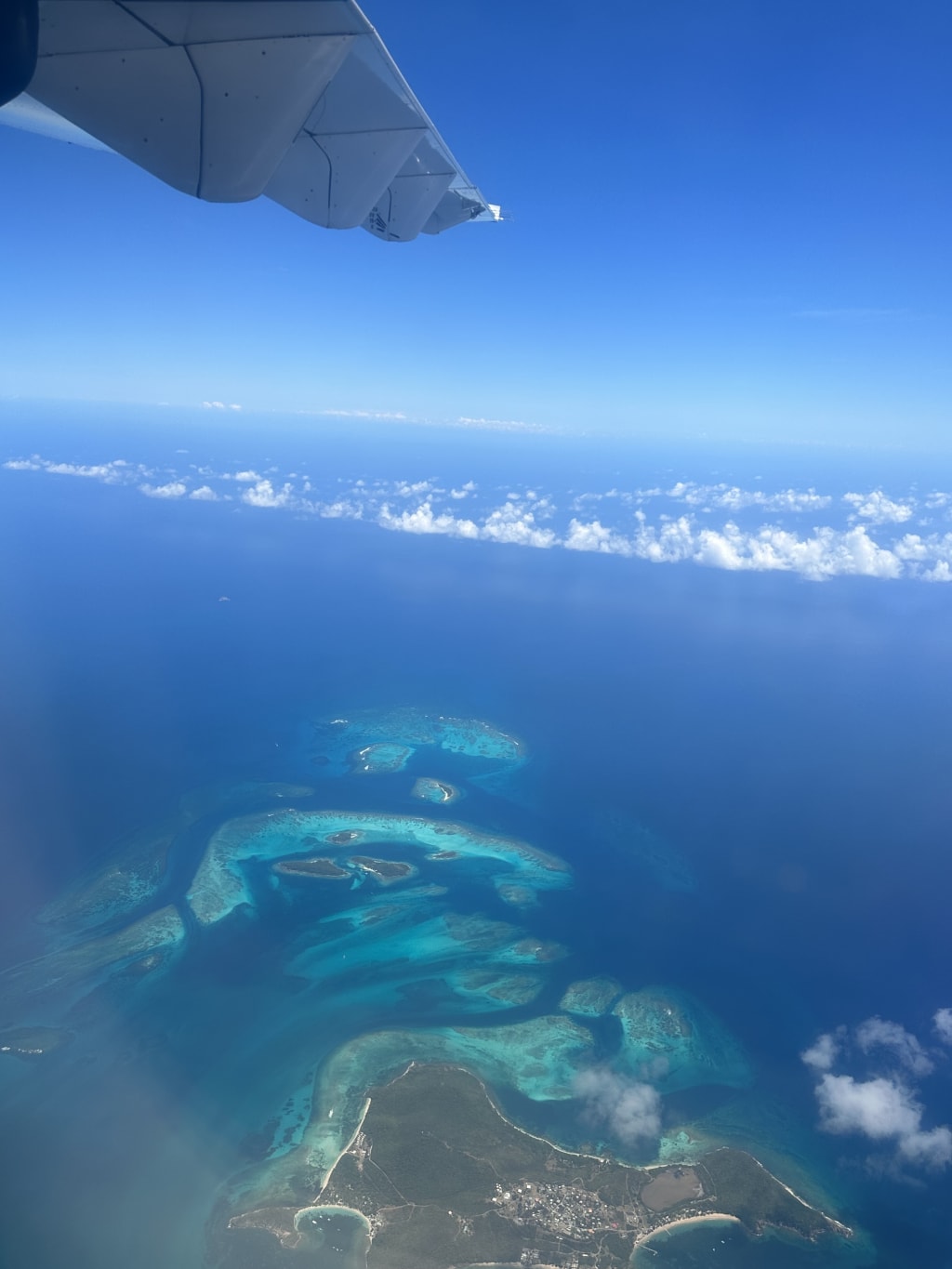
A vast majority of the world's oceans, approximately eighty percent, remain shrouded in mystery. This is due to the fact that the ocean covers 70 percent of the Earth's surface, and humans have limited access, with our exploration reaching only around three miles deep. As a result, some of the most recent and remarkable discoveries in the realm of wildlife have emerged from the ocean.
For instance, new shark species like the "genie's dogfish" have been found, as well as astonishingly long creatures like a 154-foot jellyfish, which was discovered in the waters of Australia. In the Arctic and Antarctic seas, a peculiar phenomenon known as "frost flowers" has puzzled observers. These formations, despite their name, are not made of plants but rather ice crystals. Interestingly, they host a variety of microorganisms, creating a small, temporary ecosystem.
Beneath the ocean's surface, hidden from view, are submarine volcanoes. Surprisingly, the ocean boasts the most productive volcanic systems on Earth, with many of these volcanoes situated around 8,500 feet below the water's surface. These underwater volcanic systems significantly impact the surrounding marine life.
In the world's oceans, maelstroms, powerful and sometimes treacherous whirlpools, present a source of fear for sailors. One of the most famous maelstroms, known as "Naruto," can be found near Awaji Island and has tides that rush in and out at speeds of 8 to 12 miles per hour, making it one of the fastest in the world.
While the sinking of the Titanic brought icebergs to the forefront of popular consciousness, these icy giants sometimes come with colored stripes. These hues result from various natural factors. For example, blue stripes emerge when ice melts and refreezes quickly. Green stripes suggest the presence of algae, while earth-tone colors like brown, yellow, or black are due to sediments picked up by the sea water before freezing.
In March 2019, scientists made a perplexing discovery in the depths of the ocean—an optical illusion resembling an upside-down lake, some 6,500 feet below sea level. This illusion was created by superheated, chemically-rich liquid and metals, showcasing the ocean's hidden mysteries.
Deep beneath the Denmark Strait, between Iceland and Greenland, lies the world's largest waterfall. Starting 2,000 feet below the surface, it plunges to a depth of 10,000 feet, creating a stunning underwater spectacle.
In 2011, Swedish treasure hunters stumbled upon an enigmatic object on the floor of the Baltic Sea. Although some believed it could be a relic of an ancient civilization or even Atlantis, further analysis pointed to it being a natural geological formation, although the mystery lingers.
The Black Sea, located at the southeastern extremity of Europe, often emits sea smoke, resembling steam rising from the water's surface. This intriguing phenomenon is caused by the interaction of oceanic water humidity with cooler winds.
Sunsets and sunrises over the ocean sometimes reveal a rare optical phenomenon known as "green flashes." Lasting only a few seconds, this spectacle occurs due to the prismatic effect of the Earth's atmosphere, causing a green flash of light during these moments.
Red tides, or algal blooms, are a common occurrence in the ocean, typically due to the rapid growth of algae. While not necessarily a cause for panic, these blooms can pose a threat to various marine life and even humans.
Octopuses and squid stand out with a unique characteristic: they have three hearts. One of these hearts is responsible for circulation throughout their bodies, while the other two pump blood to their gills.
A study published in 2013 revealed that dolphins, particularly bottlenose dolphins, have distinct whistles that serve as names for individual dolphins. This allows them to identify and communicate with one another.
In the depths of the Pacific Ocean, a mysterious singing whale has baffled scientists. This lonely whale emits sounds at an unusually high pitch compared to other blue whales. It has never been seen, leading researchers to believe its unique tune might hinder it from finding a partner.
The heart of a standard blue whale is a remarkable organ, measuring over five feet in length, approximately four feet in width, and weighing more than 400 pounds, making it significantly larger than a human heart.
Sharks are known for their multitude of teeth, with some species growing as many as 30,000 teeth over their lifetime. This abundance of teeth ensures they always have sharp replacements ready.
A tiny jellyfish, smaller than a pinky nail, has earned the name "the immortal jellyfish." It possesses the remarkable ability to revert to a previous stage of development when faced with threats or food scarcity, offering insights into potential medical advancements.
In India, the Lonar Lake presents an intriguing mystery. Formed over 52,000 years ago, this lake is unique in that it originated from the impact of a meteorite, which created a glassy deposit at its bottom. Additionally, the lake's water can turn pink temporarily due to the presence of microbes, enhancing the vibrancy of flamingos in the region.
In a small village in Assam, India, people conduct wedding ceremonies for wild frogs as a tradition to summon rain. These unique celebrations mirror human weddings in many ways, complete with feasting and gifts.
The North Sentinel Island in the Bay of Bengal is known for its isolated indigenous tribe, the Sentinelese. These people have remained cut off from the outside world for centuries, and attempts to make contact with them are discouraged to protect their isolation and vulnerability to diseases.
The Michigan Triangle, similar to the Bermuda Triangle, has been associated with mysterious disappearances, including ships and aircraft. However, these incidents are often attributed to unpredictable weather and navigational challenges in the Great Lakes.
In the early 1800s, the USS Pickering, a sailing vessel, mysteriously vanished in the Bermuda Triangle with its 90-man crew. This event marked the first confirmed disappearance in the area.
Christopher Columbus, during his first voyage to the New World in 1492, encountered strange lights and erratic compass readings while passing through the Bermuda Triangle.
The Bermuda Triangle is a region known for the unexplained disappearance of ships and planes. It remains a subject of intrigue, with various theories attempting to unravel its mysteries.
Decomposing organisms in the ocean can release methane gas, potentially causing rapid changes in water density and sudden ship sinking. However, large methane releases in the Bermuda Triangle have not occurred for millennia, according to scientific research.
The Bermuda Triangle is an area where many ships and aircraft have mysteriously disappeared. Although some attribute these incidents to natural factors, the lack of wreckage and explanations continues to baffle experts.
The magnetic fields in the Bermuda Triangle interact with the high magnetite content of the ocean floor, potentially causing navigational anomalies and weather disturbances. However, these effects are still not fully understood.
The Bermuda Triangle is known for its enigmatic disappearances and unusual phenomena. While some believe that extraterrestrial activity is responsible, others suggest natural explanations for the mysteries.
The Michigan Triangle, like its Bermuda counterpart, is associated with mysterious disappearances. These incidents are often attributed to unpredictable weather and navigational challenges in the Great Lakes.
In 1945, five TBF Avenger aircraft disappeared in the Bermuda Triangle during a routine training exercise. Despite extensive search efforts, no trace of the planes or their 14 crew members was ever found.
About the Creator
Enjoyed the story? Support the Creator.
Subscribe for free to receive all their stories in your feed.
Comments
There are no comments for this story
Be the first to respond and start the conversation.