

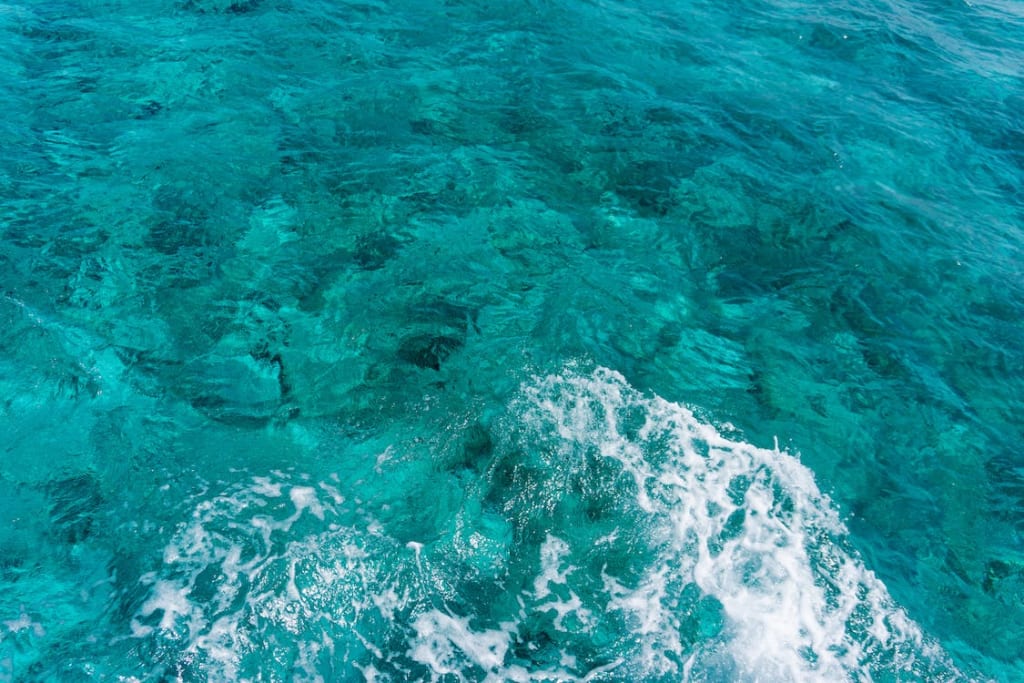
Marine protection is an important issue that the international community needs to solve urgently. The ocean is the largest ecosystem on the earth, accounting for 71% of the earth's surface, and its importance is self-evident. However, with the acceleration of globalization and the increasing shortage of marine resources, marine biodiversity has been destroyed, and marine environmental pollution has continued to increase. At the same time, factors such as climate change have also caused irreversible impacts on the ocean.
Therefore, marine protection is very necessary, and countries all over the world are implementing relevant protection policies. Based on the current problems faced by the marine ecological environment, this article discusses the current situation, problems and future directions of marine protection from four aspects: marine ecosystems, marine resources, marine environmental pollution, and global climate change.
1. Marine Ecosystem Protection
Marine biodiversity is so rich that they form a huge food chain that supports the balance of the entire ecosystem. However, at present, the number of many types of marine life on the earth is rapidly decreasing, which is a very serious ecological crisis.
The damage to the marine ecosystem is mainly caused by the following reasons:
fishery development
1. With the rise of fishery all over the world, the overfishing of marine resources has a very serious impact on the marine ecological environment. Fishing activities have led to the widespread use of tools and methods such as bottom nets and large trawls, causing enormous damage to marine life and ecosystems.
2. Illegal fishing and marine poaching
Illegal fishing and marine poaching are also an important cause of the destruction of marine ecosystems. These behaviors lead to marine environmental pollution, destroy the habitat of benthic organisms, and then affect the balance of the entire ecosystem.
3. Pollutant Disturbance
The amount of marine pollutants continues to increase, including industrial pollution, agricultural pollution, municipal solid waste, plastic waste, etc. A large amount of "marine litter" has appeared, which has caused great damage to marine ecological diversity.
In order to protect the marine ecosystem and reduce the harm of human activities to marine life and ecology, countries around the world have begun to take some measures. These include the following aspects:
1. Fight against illegal fishing
Marine protection requires the support of strong law enforcement agencies to combat illegal fishing and marine poaching, and maintain a fair and just marine environment.
2. Fisheries management agencies implement
Establishing a scientific and feasible fishery management organization, such as limiting the catch of fishery resources and setting up fishery protection zones, is also an important means of protecting marine ecology.
3. Planning marine nature reserves
Planning and establishing marine nature reserves to protect the integrity and biodiversity of the marine ecological environment are important protection measures.
4. Establish a marine ecological red line
For some densely active areas, protection is required
Oceans drive multiple global systems that make Earth habitable for humans. Our rainwater, drinking water, weather, climate, coastlines, many types of food, and even the oxygen in the air we breathe are essentially provided and regulated by the ocean.
Proper management of this vital global resource is critical to building a sustainable future. Currently, however, coastal waters continue to deteriorate due to pollution, and ocean acidification is adversely affecting ecosystem function and biodiversity. This has also had a negative impact on small-scale fisheries.
We must always prioritize saving the oceans. Marine biodiversity is critical to the health of people and the planet. Marine protected areas need to be effectively managed and adequately resourced, and relevant laws and regulations need to be established to reduce overfishing, marine pollution and ocean acidification.
About the Creator
Enjoyed the story? Support the Creator.
Subscribe for free to receive all their stories in your feed.
Comments
There are no comments for this story
Be the first to respond and start the conversation.