
New Research Reveals Alarming Acceleration of melting ice caps
Climate change refers to long term changes in temperature
Climate change refers to long-term changes in temperature, precipitation, and other atmospheric conditions on Earth. Human activities, primarily the burning of fossil fuels and deforestation, have significantly increased the concentration of greenhouse gases in the atmosphere. These gases, such as carbon dioxide and methane, trap heat and lead to a warming of the planet, commonly referred to as global warming.
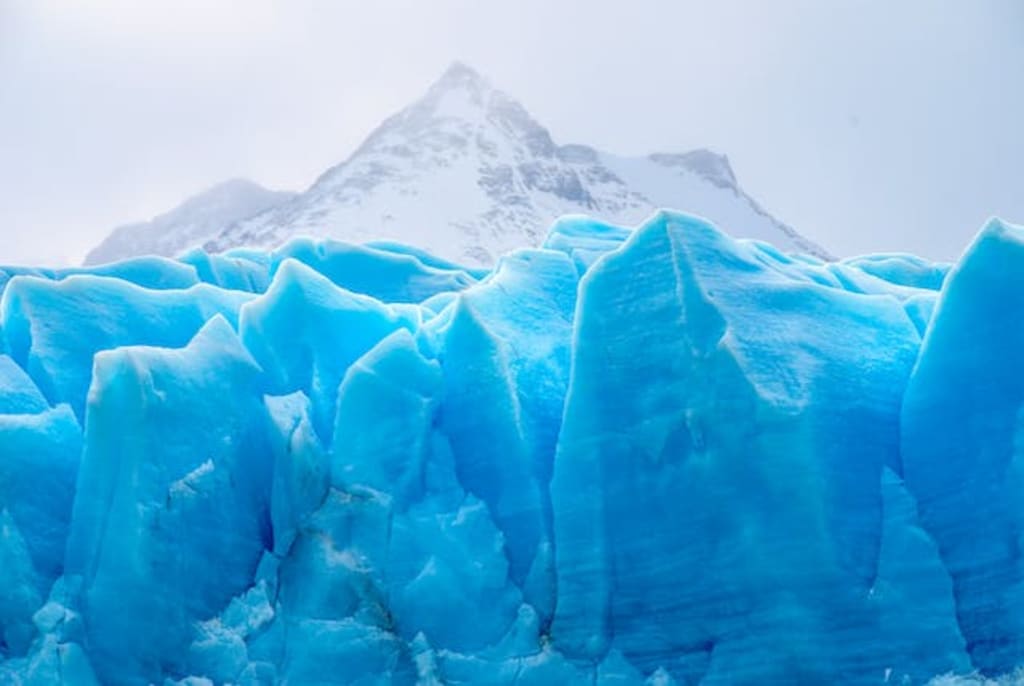
The consequences of climate change are far-reaching and impact various aspects of the environment, ecosystems, and human societies. One notable effect is the rise in global temperatures, causing phenomena like heatwaves, melting ice caps, and shifts in weather patterns. This warming trend poses threats to biodiversity, as many species struggle to adapt to rapidly changing conditions or face habitat loss.
The melting of polar ice caps and glaciers contributes to rising sea levels, posing a threat to coastal communities. Low-lying areas and islands are particularly vulnerable, facing increased risks of flooding and erosion. The displacement of communities due to these changes becomes a pressing issue, leading to environmental refugees seeking safer living conditions.
Extreme weather events, including hurricanes, droughts, and wildfires, have become more frequent and intense. These events have devastating effects on agriculture, water resources, and infrastructure, exacerbating the challenges faced by vulnerable communities. The increased frequency of extreme weather events also strains emergency response systems and can lead to long-term economic repercussions.
Ocean acidification, another consequence of elevated carbon dioxide levels, poses a severe threat to marine life. The absorption of excess carbon dioxide by the oceans results in increased acidity, negatively impacting coral reefs, shellfish, and other marine organisms. This disrupts entire ecosystems, affecting the livelihoods of communities dependent on fishing and tourism.
The interconnectedness of climate change with social, economic, and political factors highlights the need for comprehensive solutions. Mitigation efforts focus on reducing greenhouse gas emissions, transitioning to renewable energy sources, and implementing sustainable practices. International agreements, such as the Paris Agreement, aim to unite nations in the pursuit of limiting global temperature increases and adapting to the inevitable changes.
Adaptation measures are equally crucial, especially for vulnerable communities already experiencing the impacts of climate change. This involves implementing strategies to enhance resilience, such as building climate-resistant infrastructure, developing drought-tolerant crops, and establishing early warning systems for extreme weather events.
Climate change also necessitates a shift in societal attitudes and behaviors. Promoting sustainable lifestyles, reducing carbon footprints, and fostering environmental awareness are essential components of a broader effort to address the root causes of climate change. Education and advocacy play key roles in mobilizing individuals, communities, and businesses towards more eco-friendly practices.
Governments, businesses, and individuals all play critical roles in combating climate change. Policymakers can enact regulations and incentives to promote sustainable practices, while businesses can adopt environmentally friendly technologies and practices. Individuals can make a difference through conscious consumer choices, energy conservation, and supporting policies that prioritize environmental protection.
n conclusion, climate change poses a significant threat to the planet, impacting ecosystems, communities, and economies worldwide. Addressing this complex issue requires global collaboration, concerted efforts in mitigation and adaptation, and a fundamental shift towards sustainability in all aspects of human activity. It is a challenge that demands urgent and collective action to ensure a sustainable and resilient future for generations to come.
About the Creator
Enjoyed the story? Support the Creator.
Subscribe for free to receive all their stories in your feed.
Comments
There are no comments for this story
Be the first to respond and start the conversation.