
Navigating the Depths of Poverty
causes, consequences, and potential solutions
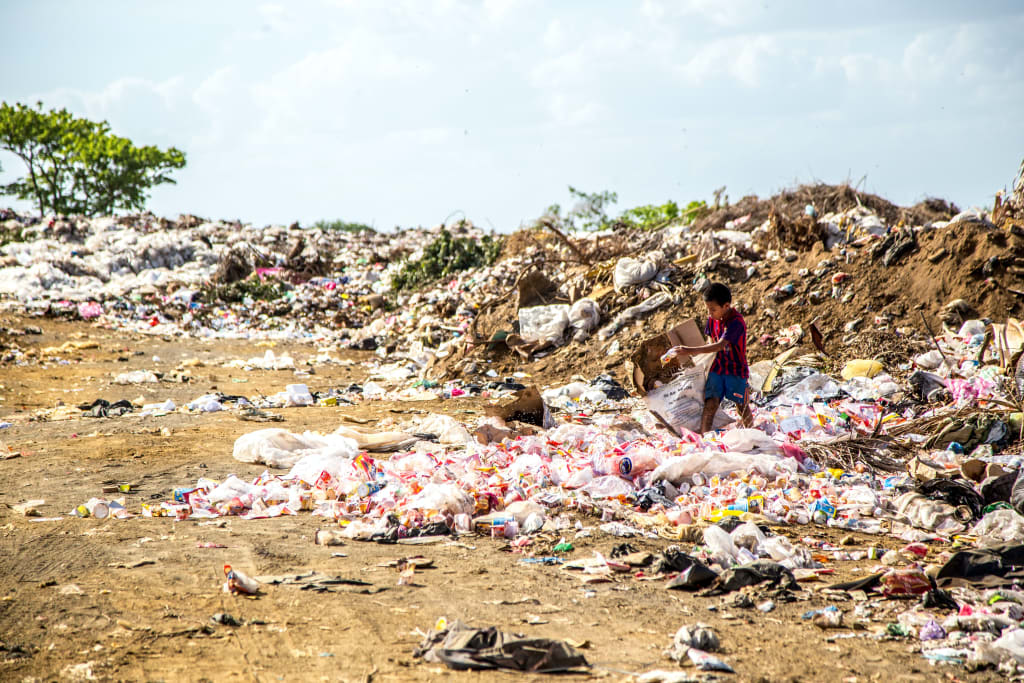
In a world that boasts technological advancements and economic growth, poverty remains a persistent and heartbreaking reality. It is a complex issue that affects individuals, families, and communities worldwide, depriving them of basic necessities and opportunities for a better life. In this blog, we delve into the depths of poverty, exploring its causes, consequences, and potential solutions, as we strive to raise awareness and inspire collective action.
Understanding Poverty:
Poverty is not simply a lack of financial resources; it encompasses a multidimensional web of deprivation, encompassing insufficient access to education, healthcare, housing, and nutrition. It manifests in both developing and developed nations, with varying degrees of severity. Factors such as gender, race, ethnicity, and geography can exacerbate the impact of poverty, creating layers of disadvantage for marginalized communities.
Causes of Poverty:
The causes of poverty are multifaceted, often interlinked, and deeply rooted in systemic issues. They include:
Economic Inequality: The growing gap between the rich and the poor widens the chasm of poverty. Unequal distribution of wealth, limited job opportunities, and low wages contribute to the perpetuation of poverty cycles.
Lack of Education: Education acts as a catalyst for social and economic progress. Limited access to quality education hampers individuals' ability to acquire skills, secure stable employment, and break free from the shackles of poverty.
Unemployment and Underemployment: Insufficient job opportunities and the prevalence of informal work perpetuate poverty. Many individuals struggle to find stable and adequately compensated employment, trapping them in a cycle of poverty and vulnerability.
Discrimination and Social Exclusion: Marginalized groups, including women, ethnic minorities, and indigenous communities, often face discrimination and limited opportunities. This unequal treatment further exacerbates poverty within these communities.
Political Instability and Conflict: Societies ravaged by political unrest and armed conflict experience deepening poverty. These conditions destroy infrastructure, disrupt economies, displace populations, and hinder development, trapping communities in a cycle of destitution.
Consequences of Poverty:
The consequences of poverty are far-reaching and impact individuals, families, and society as a whole:
Limited Access to Basic Needs: Poverty deprives people of fundamental necessities such as food, clean water, sanitation, healthcare, and shelter. Lack of access to these essentials compromises overall well-being and perpetuates a cycle of ill health and disadvantage.
Education and Opportunity Gap: Poverty restricts access to quality education, limiting opportunities for individuals to escape poverty. This perpetuates generational cycles of poverty, denying children the chance to break free from the circumstances they were born into.
Health Disparities: Poverty is closely linked to poor health outcomes. Limited access to healthcare services, inadequate nutrition, and unsanitary living conditions contribute to higher rates of disease, malnutrition, and shorter life expectancies among impoverished communities.
Social Exclusion and Stigmatization: Poverty often marginalizes individuals and communities, leading to social exclusion, stigma, and discrimination. This further deepens the challenges they face, hindering their ability to access support networks and escape poverty.
Addressing Poverty:
Tackling poverty requires a comprehensive and holistic approach that involves governments, civil society organizations, communities, and individuals:
Economic Empowerment: Promoting inclusive economic growth and creating job opportunities with fair wages are vital in lifting people out of poverty. Governments should implement policies that prioritize job creation, investment in infrastructure, and skills development.
Access to Quality Education: Ensuring equal access to quality education is crucial. This involves investing in educational infrastructure, improving teacher training, providing scholarships, and addressing gender disparities to create a level playing field for all.
Social Protection: Implementing social safety nets and targeted interventions can provide temporary relief and support for the most vulnerable populations. Cash transfer programs, healthcare subsidies, and food assistance help alleviate immediate hardships and foster resilience.
Empowering Women and Marginalized Communities: Gender equality and social inclusion are essential components of poverty reduction. Empowering women through education, economic opportunities, and access to reproductive healthcare can break the cycle of poverty and foster inclusive development.
Sustainable Development: Addressing poverty requires an approach that promotes sustainability, environmental conservation, and resilience. Balancing economic growth with environmental stewardship ensures a better future for generations to come.
Conclusion:
Poverty remains an immense global challenge, deeply affecting the lives of millions of people worldwide. By understanding the complex causes and consequences of poverty and working collectively to implement comprehensive solutions, we can make significant progress in reducing its grip on humanity. Through targeted efforts, empathy, and a commitment to social justice, we can create a more equitable world, where every individual has the opportunity to thrive and reach their full potential.
About the Creator
Enjoyed the story? Support the Creator.
Subscribe for free to receive all their stories in your feed.
Comments
There are no comments for this story
Be the first to respond and start the conversation.