
Nature’s Deadliest: Unveiling the Most Dangerous Animals in the World
The Surprising Truth About Earth's Deadliest Vectors, Parasites, and Predators

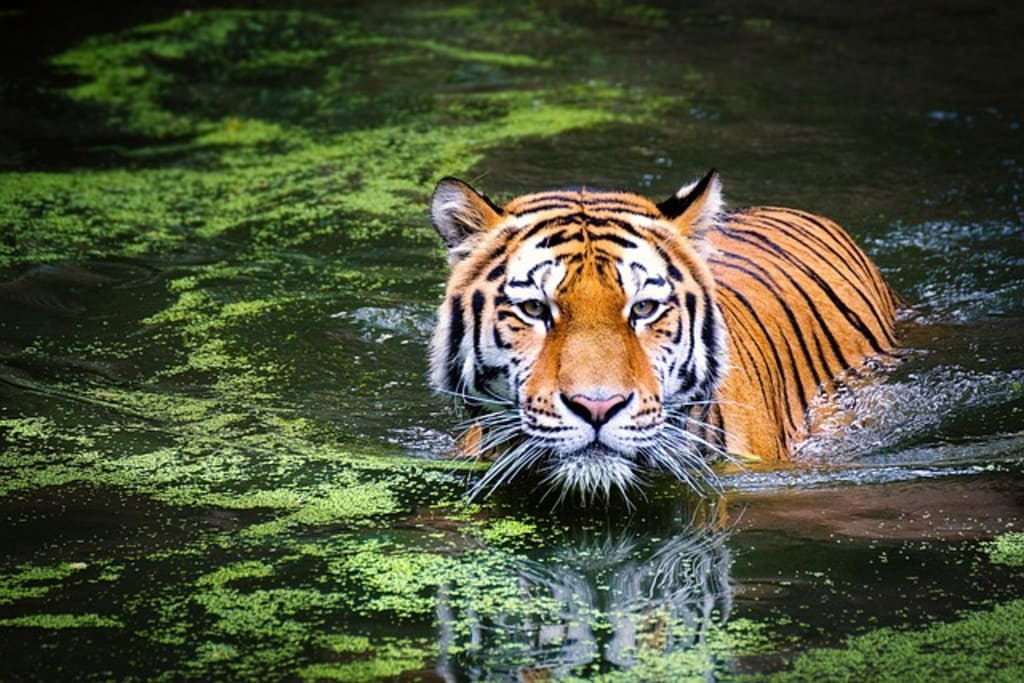
When you imagine the most dangerous animals on our planet, what comes to mind? For many, the imagery is heavily influenced by Hollywood blockbusters and sensationalist documentaries. We picture massive, apex predators with razor-sharp teeth—great white sharks patrolling the ocean depths, ferocious lions stalking the African savanna, or grizzly bears rising to their full, intimidating height. We are biologically wired to fear large, carnivorous creatures.
However, the reality of wildlife danger is remarkably different and often far more surprising. Size and strength can be incredibly deceiving. In fact, sharks are responsible for an average of only around 10 human fatalities a year globally. Lions, while fearsome, account for roughly 200 deaths annually. Rather, the deadliest animals on Earth are frequently the smallest. They do not overpower us with brute strength or tear us apart with massive jaws; instead, they take lives through stealthy disease transmission, potent microscopic toxins, and parasitic infections.
To truly understand which animals pose the greatest threat to human life, we must look at the data. What makes an animal dangerous? Is it aggression, territorial behavior, venom, or its role as a vector for pathogens? In this comprehensive look at the world’s deadliest creatures, we will explore the animals responsible for the highest human death tolls each year. Prepare to adjust your perception of nature’s most lethal threats.
1. The Undisputed Champion: The Mosquito
It is small, fragile, and ubiquitous. Yet, the mosquito is universally recognized by health organizations and scientists as the deadliest animal in the world, responsible for a staggering estimated 725,000 to 760,000 human deaths every single year. The mosquito itself does not possess venom, nor does it have the physical strength to inflict trauma. Instead, its danger lies in its role as a biological vector for some of the most devastating infectious diseases known to humanity.
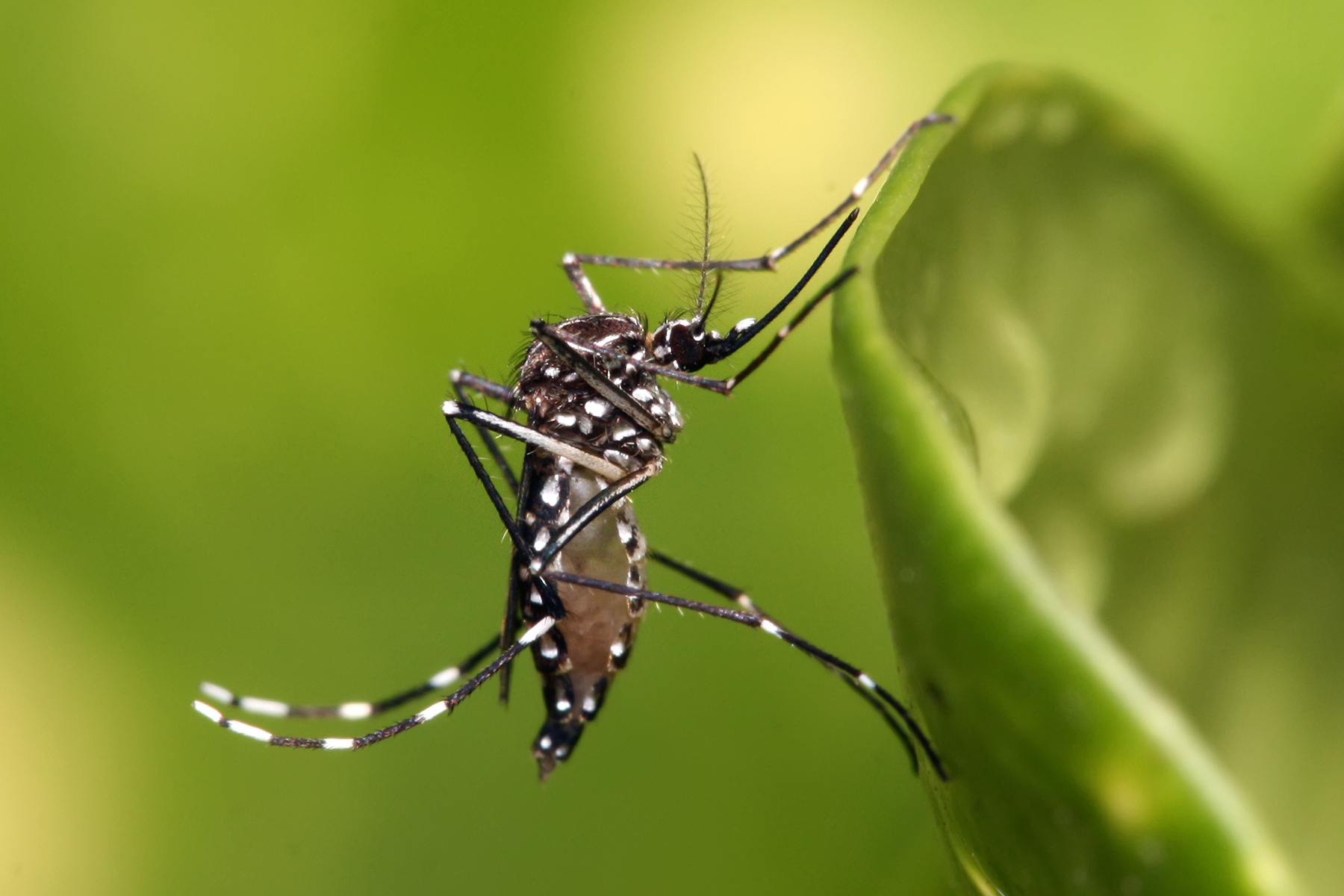
Only female mosquitoes bite, as they require the protein found in human and animal blood to develop their eggs. When an infected mosquito pierces human skin, it transmits pathogens directly into the bloodstream. The most lethal of these is malaria, caused by the Plasmodium parasite and spread primarily by the Anopheles mosquito. Malaria alone accounts for over 600,000 deaths annually, disproportionately affecting young children and pregnant women in Sub-Saharan Africa.
Beyond malaria, mosquitoes spread a terrifying cocktail of viruses. The Aedes aegypti mosquito is the primary vector for Dengue fever, Zika virus, Yellow fever, and Chikungunya. Japanese encephalitis and West Nile virus add to the death toll. The sheer volume of mosquito-borne illnesses has heavily steered human history, hindering military campaigns, stalling the construction of the Panama Canal, and shaping global demographics. While modern science has provided mosquito nets, insecticides, and vaccines for certain diseases, the mosquito remains humanity's deadliest foe.
2. The Intraspecies Threat: Humans
While it might seem like a philosophical cheat to include our own species on a list of dangerous animals, the statistics are undeniable. Humans are the second deadliest creatures on Earth to other humans. When looking strictly at intentional homicides and armed conflicts, humans kill roughly 400,000 to 600,000 of their own kind each year.
Unlike the other animals on this list, humans do not generally kill out of instinctual self-defense, territorial boundaries, or predatory hunger. The violence inflicted by humans upon humans is driven by complex socio-economic, political, and psychological factors. Wars, organized crime, terrorism, and interpersonal violence contribute to a massive annual death toll that far outstrips the damage done by any mammalian predator. The capacity for organized, mechanized warfare and the use of advanced weaponry makes the human animal uniquely lethal on a macro scale.
3. The Slithering Threat: Venomous Snakes
Coming in third on the list of nature’s biggest killers are venomous snakes. It is estimated that snakes are responsible for approximately 100,000 to 138,000 human fatalities every year. In addition to the fatalities, hundreds of thousands of people suffer permanent disabilities, including amputations, as a result of snakebites.
Snakes inhabit every continent except Antarctica, and they come equipped with highly evolved delivery systems for their complex venoms. The danger comes not from the snake's desire to eat humans—we are too large for almost all venomous snakes to consume—but from defensive strikes when the animal is accidentally stepped on or cornered in agricultural fields and rural communities.
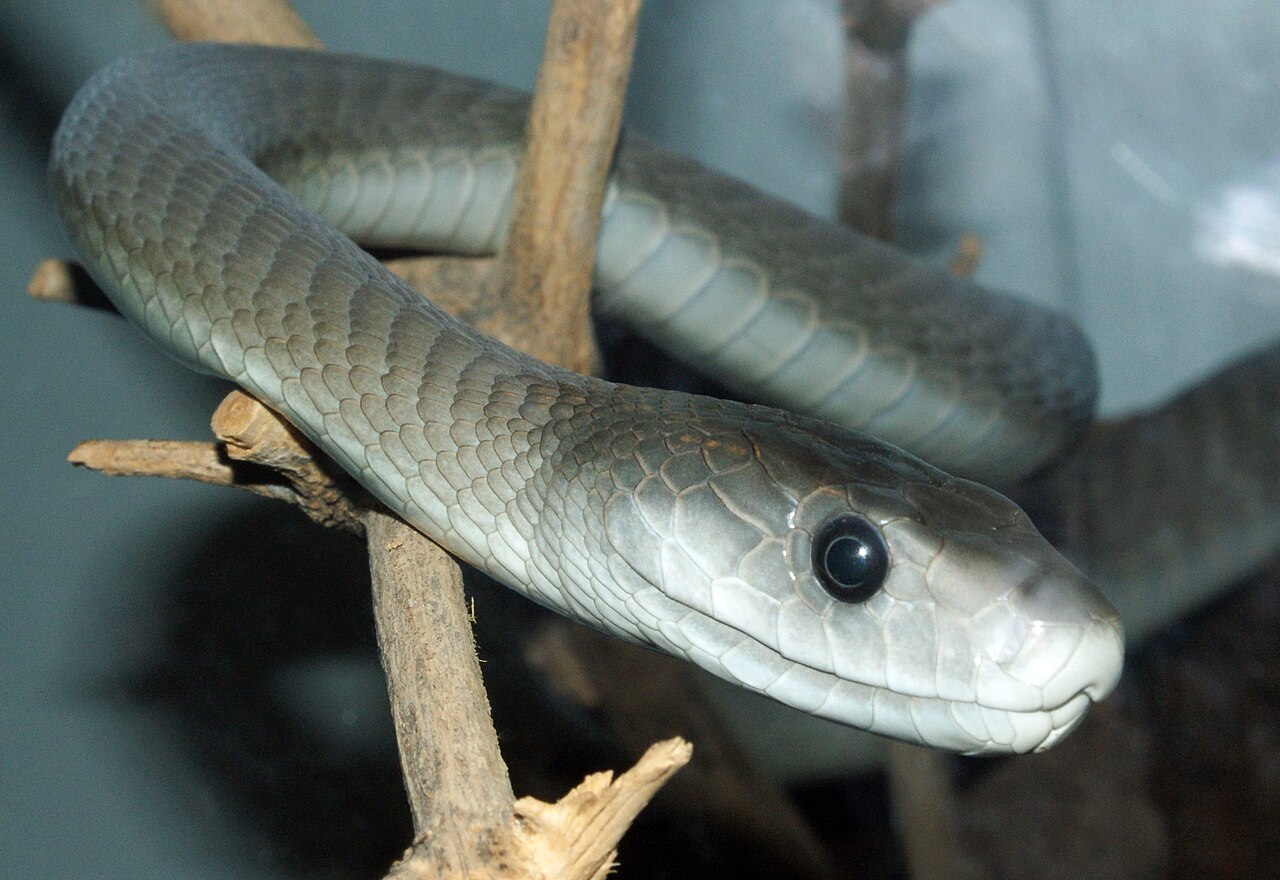
The lethality of a snake depends heavily on the potency of its venom and its proximity to human populations. The Black Mamba of Sub-Saharan Africa, for instance, is notorious for its speed, aggression when cornered, and highly potent neurotoxic venom, which can collapse a human nervous system within hours if left untreated. In India, the "Big Four" (the Indian cobra, common krait, Russell's viper, and saw-scaled viper) are responsible for the vast majority of snakebite deaths. Access to antivenom is the primary factor in surviving a venomous bite, but tragically, many bites occur in remote, rural areas of the developing world where medical care is scarce or entirely unavailable.
4. Man’s Best Friend: Dogs
It is a bitter pill to swallow, but the domestic dog—humanity's oldest and most beloved animal companion—is responsible for a staggering number of human deaths. Dogs kill approximately 40,000 to 59,000 people every year. However, the vast majority of these deaths are not caused by maulings or vicious predatory attacks. The true killer behind these statistics is the rabies virus.
According to the World Health Organization, dogs are the main source of human rabies deaths, contributing up to 99 percent of all rabies transmissions to humans. Rabies is a viral disease that affects the central nervous system. Once clinical symptoms appear in a human (which can take weeks or months after the initial bite or scratch), the disease is almost 100% fatal.
The danger is most acute in poorer regions of the world, particularly in parts of Asia and Africa, where large populations of free-roaming, unvaccinated stray dogs live in close proximity to dense human populations. While dog bites themselves can cause severe trauma and secondary bacterial infections, it is the invisible virus carried in their saliva that makes them one of the most lethal animals on the planet. Widespread canine vaccination programs and post-exposure prophylaxis for humans are highly effective, but access to these resources remains a global challenge.
5. The Freshwater Terrors: Crocodiles and Hippos
When we move away from insects and pathogens, we finally encounter the large, aggressive animals that align with our traditional fears. In the rivers, lakes, and estuaries of the world, two animals stand out as incredibly deadly: the hippopotamus and the crocodile.
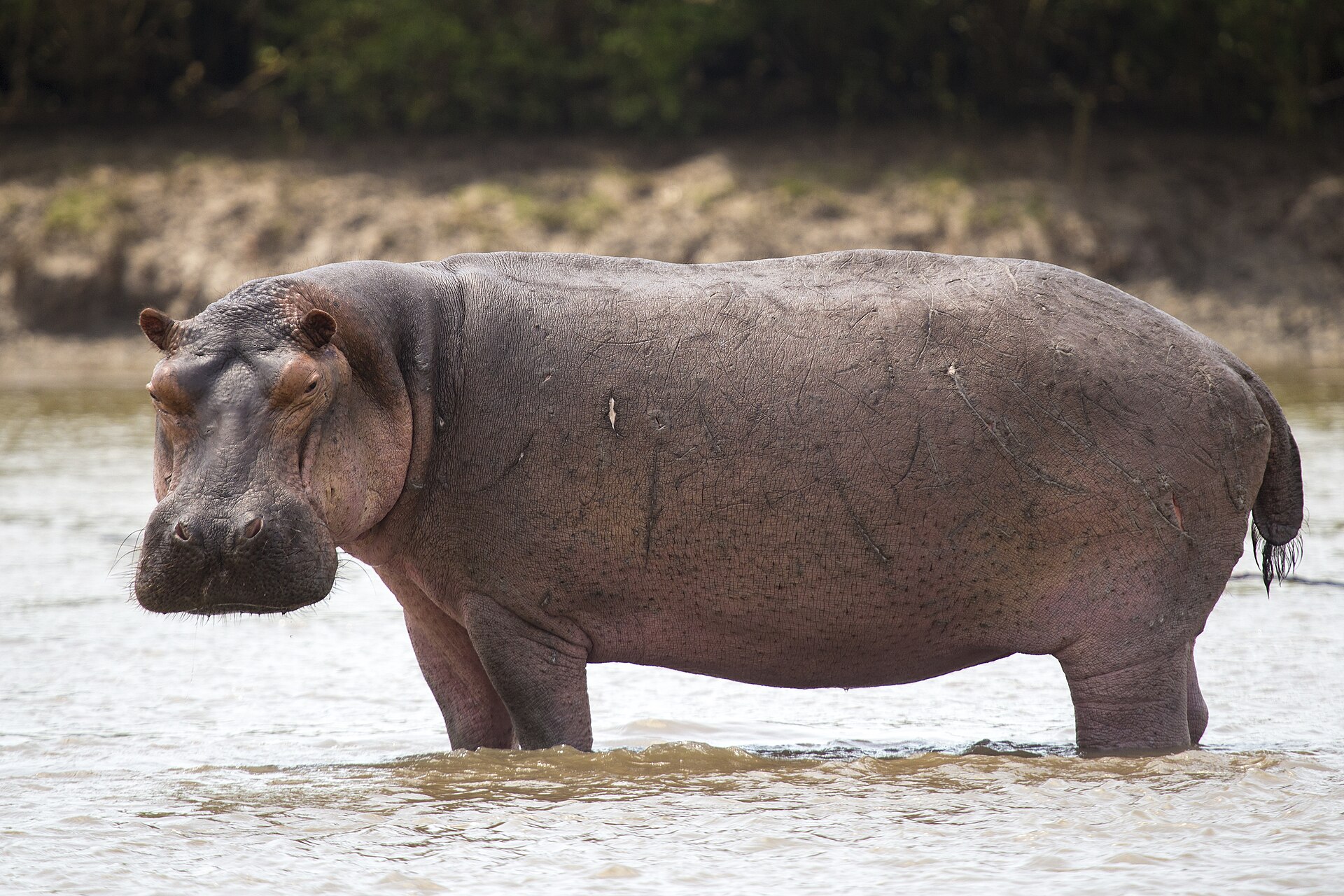
The Territorial Giant: The Hippopotamus
Despite their somewhat comical, sluggish appearance and herbivorous diet, hippos are fiercely aggressive and highly territorial. They are responsible for an estimated 500 human deaths annually. Hippopotamuses are massive animals, with males weighing up to 1,500 kg. They spend their days submerged in water to keep their skin cool, and they do not tolerate intruders in their space.
If a small boat or canoe unknowingly glides into a hippo's territory, the animal is known to launch an unprovoked attack, easily capsizing the vessel. With bite forces reaching up to 1,800 psi and canine teeth that can grow up to half a meter long, a hippo can crush a human body with ease. They are also incredibly fast runners on land, capable of outrunning a human over short distances, making them perilous to anyone walking near riverbanks at dusk when they emerge to graze.
The Apex Ambush Predator: The Crocodile
Crocodiles, particularly the Nile crocodile of Africa and the Saltwater crocodile of the Indo-Pacific region, are the most aggressive apex predators on this list. They kill approximately 1,000 humans a year. Unlike hippos, which attack out of territorial defense, crocodiles view humans as a legitimate food source.
They are the ultimate ambush predators, lying perfectly still just beneath the surface of murky waters, waiting for animals (or humans) to approach the shoreline to drink, wash, or fish. Crocodiles strike with explosive speed, clamping down with the strongest bite force of any living animal. They then perform a "death roll" to drown their prey and dismember it. Their ability to remain unseen, coupled with their sheer size and prehistoric power, makes crocodile-infested waters incredibly dangerous.
6. Small But Deadly: Parasitic and Insect Killers
Just below the major killers lie a host of smaller insects and organisms that cause thousands of deaths annually, mostly in tropical and subtropical regions. They rarely make the news, but their impact on human health is devastating.
The Assassin Bug
The aptly named Assassin bug (or kissing bug) is responsible for roughly 8,000 to 10,000 human deaths a year. These nocturnal insects thrive in the Americas and are the primary vector for Chagas disease. The bugs bite humans on the face (hence "kissing bug") while they sleep, and simultaneously defecate near the bite wound. When the victim scratches the bite, they unwittingly rub the parasite-laden feces into their bloodstream. Chagas disease can remain hidden for decades, eventually causing fatal heart and intestinal complications.
Freshwater Snails
Freshwater snails are responsible for about 14,000 deaths annually. The snails themselves are harmless, but they act as intermediate hosts for parasitic flatworms called schistosomes. When humans swim, bathe, or wash in infected waters, the microscopic parasite larvae leave the snails and burrow through human skin. This leads to Schistosomiasis, a chronic disease that damages internal organs over time and can be fatal if left untreated.
Tsetse Flies and Sandflies
The Tsetse fly, found in Sub-Saharan Africa, transmits a parasite that causes Sleeping Sickness (African trypanosomiasis). This neurological disease is fatal without treatment and kills over 1,500 people yearly. Similarly, Sandflies spread Leishmaniasis, a disease that can cause gruesome skin ulcers or attack internal organs, resulting in roughly 5,000 deaths a year.
7. Marine Killers: Toxins of the Deep
While sharks take the blame for most ocean-based fears, the true dangers of the marine world belong to much smaller, highly venomous creatures.
The Box Jellyfish
Found predominantly in the Indo-Pacific and northern Australian waters, the Box Jellyfish is often considered the most venomous marine animal on Earth. Their translucent tentacles are covered in thousands of microscopic nematocysts (stinging cells) loaded with a highly complex venom that attacks the heart, nervous system, and skin cells simultaneously. The pain is so excruciating that victims frequently go into shock and drown or die of heart failure before reaching the shore.
The Geography Cone Snail
The geography cone snail is a beautiful, shelled marine creature that hides a lethal weapon. It uses a hollow, harpoon-like tooth to inject a complex cocktail of neurotoxins (conotoxins) into its prey. The venom of the geography cone snail is incredibly potent—estimated to be up to 10,000 times more potent than morphine. While human encounters are rare, picking up this seemingly harmless shell can result in a sting that causes muscle paralysis and respiratory failure, sometimes earning it the nickname "cigarette snail" because a victim has just enough time to smoke a cigarette before the venom proves fatal.
Conclusion
When we evaluate the most dangerous animals in the world, a stark pattern emerges. The creatures that pose the greatest existential threat to humanity are not the apex predators with large teeth and claws. The true killers are the unseen, the tiny, and the microscopic vectors. Mosquitoes, assassin bugs, and freshwater snails quietly dismantle human health through the transmission of devastating diseases.
Meanwhile, our beloved pets carry the risk of rabies, and humans themselves remain a uniquely destructive force against one another. If we are to protect human life globally, our focus must shift from fearing the jaws of a shark to funding antivenoms, distributing mosquito nets, cleaning water supplies, and managing infectious diseases. The real monsters of the animal kingdom do not roar; they buzz, they bite, and they infect.
About the Creator
Michael Mitch
Your go-to guide for the ultimate Top 10s! I take completely random topics and find the absolute best they have to offer. Expect the unexpected.
Enjoyed the story? Support the Creator.
Subscribe for free to receive all their stories in your feed.
Comments
There are no comments for this story
Be the first to respond and start the conversation.