
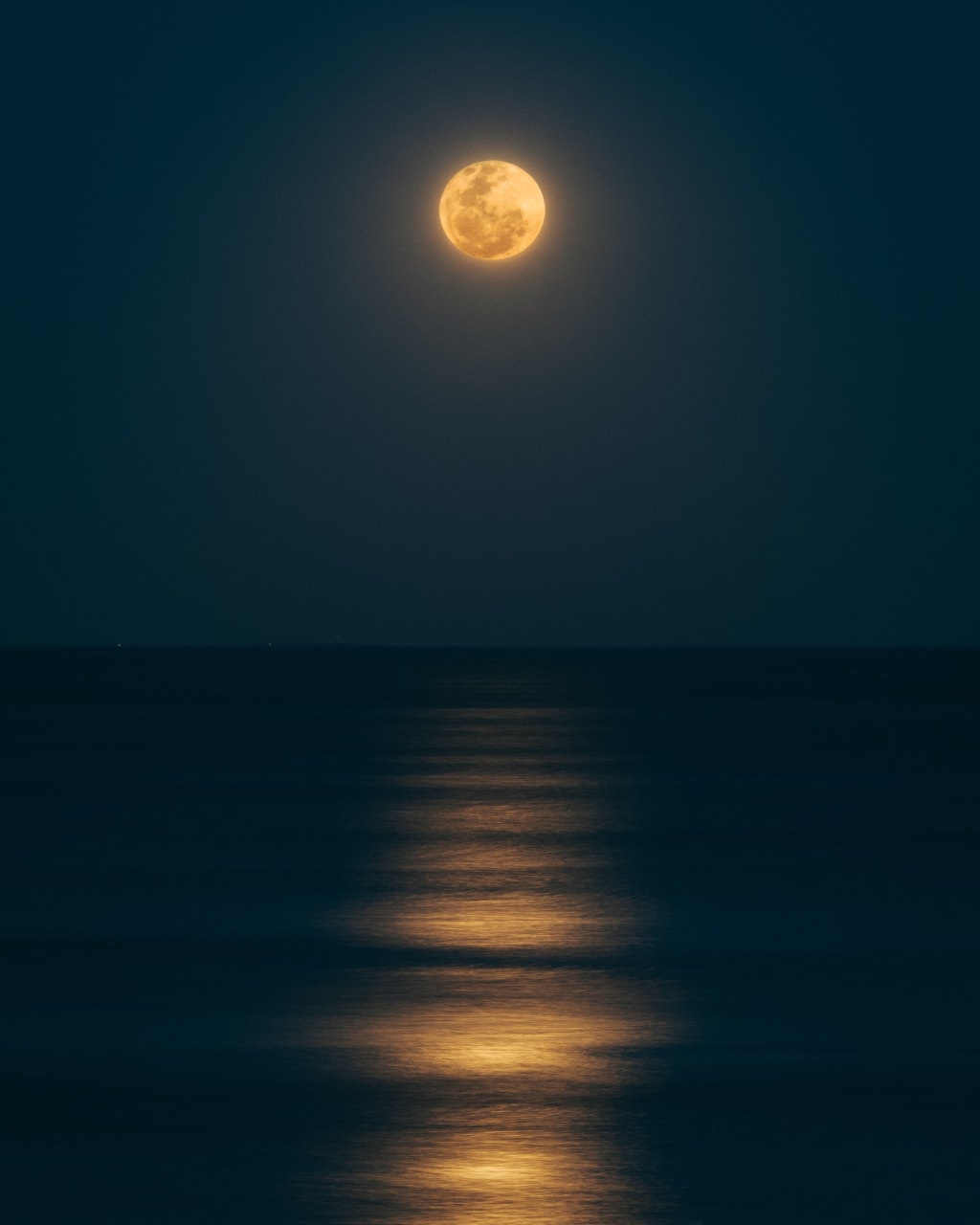
The moon is a part of nature! It's a natural satellite that orbits around the Earth. The moon has a fascinating impact on our planet, from affecting tides to providing light during the night. It's truly a wonder of nature!
The moon is about 238,900 miles away from Earth and it takes about 27.3 days to orbit around our planet. It doesn't have an atmosphere or any water, which makes it very different from Earth. The moon also goes through different phases, like full moon, crescent moon, and half moon, which are caused by the positions of the sun, Earth, and moon. It's pretty cool how the moon plays a role in our daily lives and has inspired many myths and stories throughout history.
Well, did you know that the moon is the only natural satellite of Earth? It's about 1/6th the size of Earth and its gravitational pull affects the tides on our planet. The moon also has different phases, like full moon, half moon, and crescent moon, which are caused by the positions of the sun, Earth, and moon. It's a fascinating celestial object that has captivated humans for centuries!
It takes about 27.3 days for the moon to orbit around the Earth. The moon's surface is covered in craters, caused by meteorite impacts over millions of years. And did you know that the moon doesn't have an atmosphere? That's why there's no wind or weather up there. It's a unique and mysterious place in our night sky! It is tidally locked with Earth, which means the same side of the moon always faces us. That's why we only see one side of the moon from Earth. Did you know that the moon is about 1/6th the size of Earth? It may look big in the sky, but it's actually much smaller than our planet. It's incredible how something so small can have such a big impact on our world!
It's covered in a layer of fine dust called regolith. This dust was formed by the constant bombardment of meteoroids over billions of years. So, the moon is like a giant dusty playground in space! The moon has no atmosphere, which means there's no air or weather up there. It's a vacuum! That's why astronauts have to wear spacesuits to protect themselves. Pretty cool, right?
Astronauts have walked on the moon during the Apollo missions, and they had to wear spacesuits to protect themselves from the vacuum and extreme temperatures. The moon has played a significant role in human culture and mythology throughout history. It's also been a subject of scientific exploration and research. I hope these tidbits satisfy your curiosity for now! It has a unique phenomenon called moonquakes! These are similar to earthquakes, but they occur on the moon. Scientists believe that these moonquakes are caused by the gravitational interactions between the Earth and the moon. Isn't that incredible? 🌕 Did you know that the moon is actually moving away from Earth? It's true! Due to tidal forces, the moon's orbit is gradually getting larger, causing it to drift about 3.8 centimeters away from us each year. So, in the future, the moon will be even farther from Earth. It's a slow dance between our two cosmic neighbors! Did you know that the moon has a dark side? It's not actually dark, but we call it the "far side" because it's the side that always faces away from Earth. We couldn't see it until the first photos were taken by a Soviet spacecraft in 1959. It's like a hidden treasure waiting to be explored! The moon is a very interesting part of Nature .
About the Creator
Enjoyed the story? Support the Creator.
Subscribe for free to receive all their stories in your feed.
Comments