
Nar Phu Valley Trek Guide: An Off-the-Beaten-Path Adventure
Nar Phu Valley is a trekker's paradise that promises stunning landscapes and ancient Tibetan culture

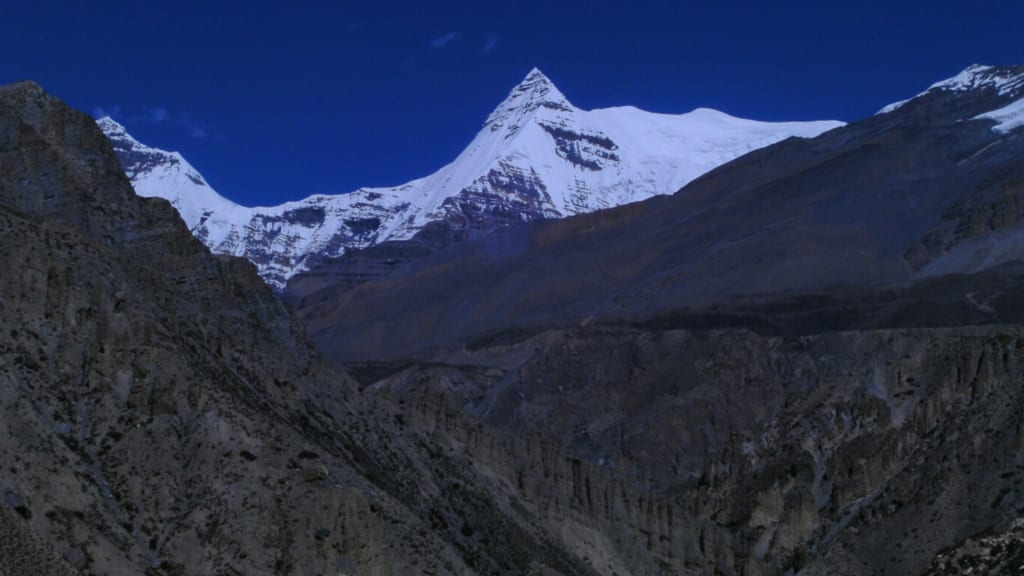
Nestled in the Annapurna region of Nepal, the Nar Phu Valley trek offers a hidden gem for those looking to experience a more remote and untouched side of the Himalayas. While not as famous as the Annapurna Circuit or the Everest Base Camp trek, Nar Phu Valley is a trekker's paradise that promises stunning landscapes, ancient Tibetan culture, and an authentic Himalayan experience.
If you're considering embarking on the Nar Phu Valley trek, here's your comprehensive guide to everything you need to know about this adventure.
1. Overview of the Nar Phu Valley Trek
The Nar Phu Valley trek takes you through a combination of rugged trails, ancient monasteries, and remote villages, all tucked away in the high mountains of the Annapurna region. The trek is relatively challenging and requires good fitness levels due to its altitude and terrain, but the rewards are unparalleled. This trek takes you to the Nar and Phu villages, which are both culturally and historically significant.
The trek typically lasts about 12 to 14 days, starting from the bustling city of Kathmandu, with stops in towns such as Koto, Meta, and Kyang. Along the way, trekkers will pass through dense forests, alpine meadows, and narrow valleys, all while witnessing the majestic peaks of the Annapurna and Manaslu ranges.
2. Why Trek to Nar Phu Valley?
Here are some compelling reasons why Nar Phu Valley should be on your trekking bucket list:
- Remote and Untouched: The Nar Phu Valley remains one of the less-visited areas in Nepal, making it perfect for those seeking a tranquil, off-the-beaten-path experience. You'll get to witness pristine nature without the crowds of more popular treks.
- Cultural Immersion: The valley is home to ancient Tibetan Buddhist communities that have maintained traditional ways of life for centuries. Visiting monasteries, gompas, and interacting with the locals offers a unique insight into the rich cultural heritage of this region.
- Spectacular Scenery: The trek offers a variety of breathtaking landscapes, from lush forests to rocky terrains and high-altitude pastures. The views of the surrounding snow-capped peaks, including Annapurna II, Himlung Himal, and Pisang Peak, are simply awe-inspiring.
- Wildlife and Flora: The region is also known for its diverse flora and fauna. You might spot wildlife such as Himalayan tahr, blue sheep, and various bird species, as well as enjoy the rich biodiversity in the forests.
3. Best Time to Trek Nar Phu Valley
The best time to trek Nar Phu Valley is during the spring (March to May) and autumn (September to November) seasons. During these periods, the weather is more predictable, with clear skies, pleasant temperatures, and minimal rainfall.
- Spring (March - May): The temperatures are moderate, and the valley is filled with blooming rhododendron flowers, creating a stunning visual landscape.
- Autumn (September - November): This season is known for its crisp weather and clear views of the mountain peaks. Autumn is also considered the best time for trekking in Nepal, as the monsoon rains have just subsided, and the trails are in excellent condition.
Avoid trekking in the winter (December to February) as temperatures can drop drastically, making it very challenging to trek, especially with the risk of snowstorms. The summer months (June to August) are also not ideal due to the monsoon rains, which can make the trails muddy and slippery.
4. Itinerary for the Nar Phu Valley Trek
Here’s a sample itinerary to give you an idea of what your trek might look like:
Day 1: Arrival in Kathmandu
Arrive in Kathmandu and prepare for your trek. You’ll have time to explore the city and arrange permits.
Day 2: Drive to Koto (7-8 hours)
Leave Kathmandu and drive to Koto, the starting point of the trek.
Day 3: Trek from Koto to Meta (3,560m)
Today’s hike will take you through forests and villages, gradually ascending to Meta, a beautiful village where you’ll stay the night.
Day 4: Trek from Meta to Phu (4,250m)
This is a challenging day as you trek through narrow valleys, suspension bridges, and steep paths to reach the village of Phu.
Day 5: Explore Phu
Spend a day in Phu, visiting the monasteries and exploring the local Tibetan culture.
Day 6: Trek from Phu to Nar Village (4,110m)
The trail continues with a beautiful hike to Nar village, known for its stunning views and Tibetan architecture.
Day 7: Explore Nar
Take a day to explore Nar village, relax, and enjoy the surroundings.
Day 8: Trek to Kang La Pass (5,300m) and descend to Ngawal
Today will be a long day as you cross the Kang La Pass, the highest point of the trek, before descending to Ngawal for an overnight stay.
Day 9: Trek to Besisahar and drive back to Kathmandu
From Ngawal, make your way back down the valley to Besisahar, where you’ll take a jeep or bus back to Kathmandu.
Day 10: Departure or Explore Kathmandu
Return to Kathmandu for a farewell dinner and departure or spend the day exploring the cultural heritage of the city.
5. Permits and Regulations
To trek in the Nar Phu Valley, you’ll need to obtain certain permits, which are necessary for both environmental protection and safety. These include:
Annapurna Conservation Area Permit (ACAP): Required for all trekkers in the Annapurna region.
Restricted Area Permit (RAP): Since Nar Phu Valley is a restricted area, you will need this special permit. It can only be obtained with the help of a licensed trekking agency and must be arranged in advance.
TIMS (Trekkers' Information Management System) Card: This card is also required for trekking in the Annapurna region.
6. What to Pack for the Nar Phu Valley Trek
Packing for the Nar Phu Valley trek requires preparation for both high altitudes and varying weather conditions. Here’s a list of essentials:
- Clothing: Layered clothing is essential to adapt to changing temperatures. Bring lightweight clothes for lower altitudes and warm layers (such as a down jacket and thermal wear) for higher elevations.
- Footwear: Comfortable, durable trekking boots with good ankle support are necessary for navigating the rocky and uneven terrain.
- Sleeping Bag: A sleeping bag rated for cold temperatures (at least -10°C) is recommended.
- Water Purification: Bring a water filter or purification tablets to ensure safe drinking water along the route.
- Sun Protection: High-altitude sun protection is a must. Pack sunglasses, sunscreen, and a hat.
- First-Aid Kit: Include basic first-aid supplies like band-aids, antiseptic cream, altitude sickness medication, and pain relievers.
7. Challenges and Tips
- Altitude Sickness: Nar Phu Valley trek reaches high altitudes, so be prepared for the risk of altitude sickness. Make sure to acclimatize properly, drink plenty of water, and take it slow.
- Physical Fitness: This trek is physically demanding, so it’s important to be in good shape. Hiking regularly and doing cardio exercises will help build the endurance needed for the trek.
- Trekking Guide and Porter: Hiring a guide and porter is highly recommended, especially since the route can be tough to navigate. A guide will also help with cultural insights and ensure your safety along the trail.
8. Conclusion
The Nar Phu Valley trek is a true adventure for those who want to experience the raw beauty and cultural richness of Nepal’s remote mountain regions. From stunning landscapes to fascinating Tibetan culture and spiritual encounters, it’s an unforgettable experience. Whether you’re an experienced trekker or someone looking to challenge yourself, the Nar Phu Valley trek promises to be an extraordinary journey.
So, lace up your boots, pack your bags, and prepare for one of Nepal’s most amazing and remote trekking experiences!
About the Creator
Enjoyed the story? Support the Creator.
Subscribe for free to receive all their stories in your feed.
Comments
There are no comments for this story
Be the first to respond and start the conversation.