
Nar Phu Valley Trek: A Complete Guide to Nepal's Hidden Gem
Overview
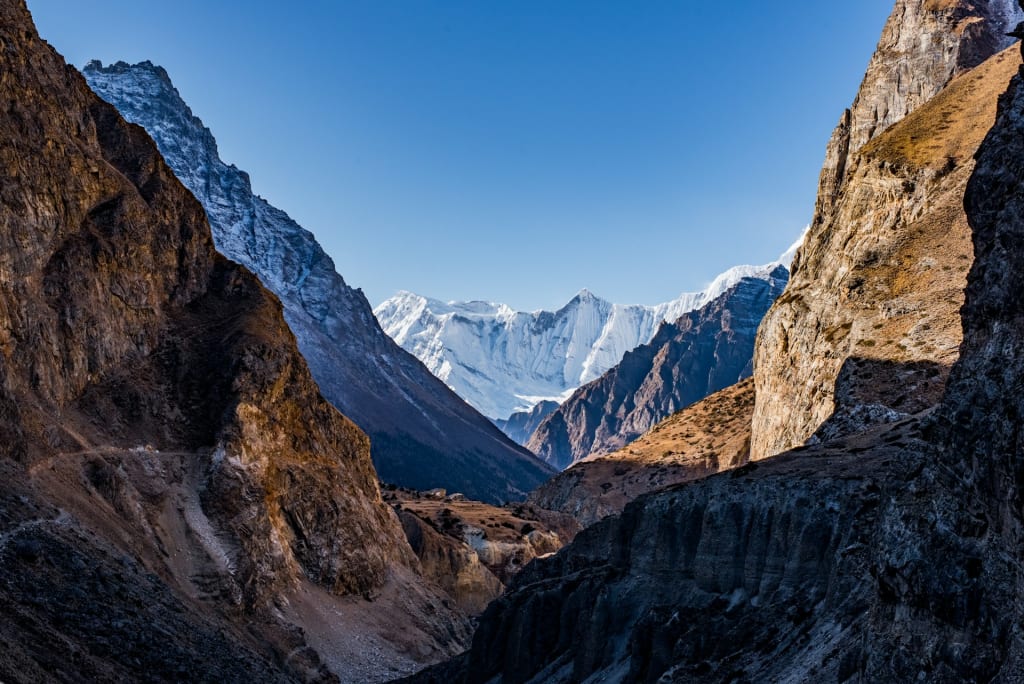
The Nar Phu Valley Trek is one of Nepal's best-kept secrets, offering a rare and unspoiled glimpse into the beauty of the Annapurna region. Nestled between the Annapurna and Manaslu mountain ranges, the trek takes you into remote valleys where few tourists venture, offering a peaceful and authentic experience of Nepal’s natural beauty and cultural heritage. The trek offers stunning views of snow-capped peaks, deep valleys, traditional Tibetan villages, and rich Buddhist culture.
If you’re looking for an off-the-beaten-path adventure that combines rugged terrain, stunning mountain scenery, and a chance to immerse yourself in the ancient traditions of the Tibetan-influenced communities, then the Nar Phu Valley Trek is a perfect choice. Here’s your complete guide to this amazing trek.
Overview of the Nar Phu Valley Trek
The Nar Phu Valley Trek is a challenging but rewarding trek located in the Annapurna Conservation Area. The trek is often described as a hidden gem due to its remote and lesser-visited location. It typically takes around 15-18 days to complete, depending on the itinerary and pace. The trek combines high-altitude trekking with cultural immersion, providing trekkers with an unforgettable journey.
The Nar Phu Valley is located north of the main Annapurna Circuit, and it is home to the Tibetan-speaking people of Nar and Phu. These villages have preserved their ancient customs, traditions, and lifestyles, giving you a glimpse into the culture of the region.
Starting the Trek: From Kathmandu to Koto
The trek begins with a scenic drive from Kathmandu to Besisahar, the gateway to the Annapurna region. From Besisahar, you'll continue on a jeep ride to the village of Koto, where the Nar Phu Valley Trek officially starts.
Koto is a small, remote village situated at the entrance of the Nar Phu Valley, and it's here that you'll begin your ascent into the mountains. The journey from Kathmandu to Koto takes around 7-8 hours by road, so be prepared for a long, bumpy ride. The drive, however, offers beautiful views of the countryside, terraced fields, and rivers.
Trekking through the Nar Phu Valley
Day 1-3: Koto to Dharmasala
From Koto, the trek follows a narrow trail that winds through dense forests and along the banks of the Phu Khola River. The trail climbs steadily toward the village of Dharmasala, where you’ll spend the night. The journey offers stunning views of the surrounding mountains, including peaks like Annapurna II and Lamjung Himal. Along the way, you’ll pass through traditional villages and experience the hospitality of the local people.
Day 4-6: Dharmasala to Phu Village
From Dharmasala, the trek continues into the heart of the Nar Phu Valley. The trail becomes steeper as you climb higher into the valley, but the breathtaking scenery makes it worth the effort. The Phu Valley is known for its striking landscapes, including rugged cliffs, waterfalls, and deep canyons. The village of Phu, located at 4,080 meters, is the first major settlement in the valley. This village is a beautiful and isolated place, with traditional Tibetan-style houses and a strong Buddhist influence.
In Phu, you’ll have the chance to explore ancient monasteries, interact with the locals, and take in the peaceful atmosphere of the valley. It’s also a great place to rest and acclimatize to the higher altitude before continuing your journey.
Day 7-9: Phu Village to Nar Village
The trek continues from Phu to Nar, another Tibetan village located at an altitude of 4,110 meters. This section of the trek offers more stunning views of the surrounding mountains, as well as the opportunity to explore the remote villages of the Nar Phu Valley. Nar is a picturesque village with narrow stone streets and traditional stone houses. The village is home to a few Buddhist monasteries and chortens, and you’ll have the opportunity to interact with the local people, who still follow traditional farming practices and subsistence agriculture.
Day 10-12: Nar Village to Kang La Pass
From Nar, the trek continues to the Kang La Pass (5,300 meters), which is the highest point of the Nar Phu Valley Trek. The trek to the pass is challenging and requires a good level of fitness, as it involves a steep climb through rocky terrain. However, the panoramic views from the top of the pass are truly spectacular, with views of Annapurna II, Manaslu, and several other towering peaks in the Annapurna and Manaslu ranges. The descent from the pass takes you down into the Marsyangdi Valley, where you’ll begin your return journey.
Day 13-15: Descend to Manang and Continue to Besisahar
After crossing the Kang La Pass, you’ll descend toward Manang, a popular stop on the Annapurna Circuit. From Manang, the trek continues down the Marsyangdi River Valley, passing through several villages, including Braga, Pisang, and Ngawal. The descent is much easier than the ascent, and you’ll have plenty of time to enjoy the beautiful scenery of the Annapurna range.
From Manang, you’ll continue to Besisahar, where you can catch a jeep back to Kathmandu, marking the end of your trek.
Permits for the Nar Phu Valley Trek
The Nar Phu Valley Trek is a restricted area trek, which means you’ll need special permits to enter the region. These include:
TIMS (Trekkers’ Information Management System) Card: This is a mandatory permit for all trekkers in Nepal.
Annapurna Conservation Area Permit (ACAP): This permit allows you to trek in the Annapurna region.
Nar Phu Valley Restricted Area Permit: This permit is required to enter the Nar Phu Valley and must be arranged through a registered trekking agency.
You will need to apply for these permits in advance through a licensed trekking agency, as they are not available directly from the permit offices.
Best Time to Trek
The best time to trek in the Nar Phu Valley is during the pre-monsoon (March to May) and post-monsoon (September to November) seasons. During these months, the weather is generally stable, and the skies are clear, providing the best views of the mountains. The temperatures are also milder, making the trek more comfortable.
Winter (December to February) brings heavy snow and cold temperatures, making trekking difficult. The monsoon season (June to August) brings heavy rainfall and risks of landslides, making it an unfavorable time to trek.
Packing List for the Nar Phu Valley Trek
The Nar Phu Valley Trek involves trekking at high altitudes, so it’s important to pack wisely. Here’s a basic packing list:
Trekking gear: Waterproof jacket, trekking boots, warm layers, gloves, hat, and sunscreen.
Sleeping bag: Rated for cold temperatures, as nights can be chilly at higher altitudes.
Personal items: Camera, toiletries, medications, and water purification tablets.
First aid kit: Including altitude sickness medication, just in case.
Snacks: High-energy snacks for the long trekking days.
Conclusion: A Remote Trek for Adventurers
The Nar Phu Valley Trek offers a chance to explore some of Nepal’s most remote and untouched regions. With its stunning landscapes, Tibetan-influenced culture, and incredible mountain views, the trek is perfect for adventurers who seek a more rugged and authentic experience away from the crowded trekking routes. If you’re looking for an unforgettable adventure in Nepal, the Nar Phu Valley Trek should be at the top of your list.
About the Creator
Enjoyed the story? Support the Creator.
Subscribe for free to receive all their stories in your feed.
Comments
There are no comments for this story
Be the first to respond and start the conversation.