
Nar Phu Trek: Exploring the Hidden Valleys of Nepal
Nar Phu Trek is ideal for trekkers seeking a blend of cultural immersion, remote exploration, and breathtaking scenery.

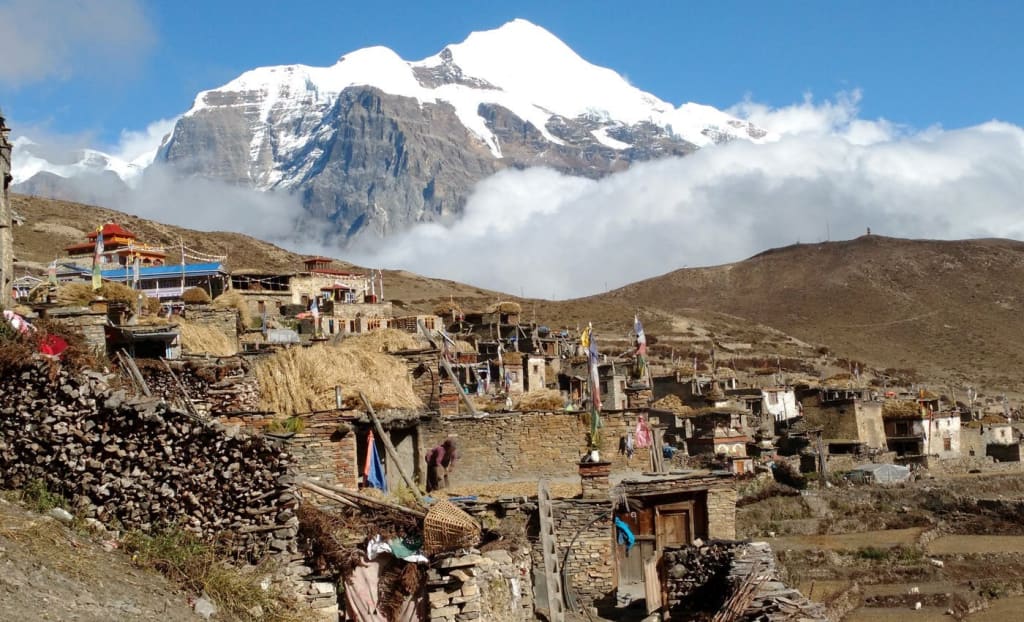
The Nar Phu Trek is one of Nepal’s most mystical and remote trekking routes, offering an incredible journey through some of the most untouched and scenic regions in the Annapurna Conservation Area. Located near the well-traveled Annapurna Circuit, this hidden gem takes trekkers into two ancient Tibetan Buddhist valleys—Nar and Phu—where time seems to stand still. With rugged landscapes, deep gorges, traditional Tibetan villages, and stunning mountain views, the Nar Phu Trek is a journey for those looking for an off-the-beaten-path adventure.
Nar Phu Trek Route Overview
The Nar Phu Trek typically takes 12-14 days to complete and follows a diverse route that connects the traditional villages of Nar and Phu. Here’s a day-by-day breakdown of the trek:
Day 1: Arrival in Kathmandu
Your journey begins in Kathmandu, where you’ll meet your guide and fellow trekkers. Take the time to explore the vibrant city, with its rich culture and history. You can visit some of Kathmandu’s UNESCO-listed sites such as Swayambhunath Stupa, Pashupatinath Temple, and Boudhanath Stupa.
Day 2: Drive to Besisahar
From Kathmandu, take a scenic drive to Besisahar (6-7 hours). The drive offers spectacular views of terraced fields, rivers, and the surrounding hills. Upon arrival in Besisahar, you’ll begin preparing for the trek.
Day 3: Drive to Koto
Distance: 5-6 hours
Altitude: 2,610 meters (8,563 feet) From Besisahar, take a jeep ride to Koto, which serves as the starting point for the Nar Phu trek. The ride takes you through a rough road that follows the Marsyangdi River, passing through lush forests and small villages.
Day 4: Trek to Meta
Distance: 6-7 hours
Altitude: 3,560 meters (11,680 feet) Today, the trek begins as you follow the Marsyangdi River upstream. The trail takes you through forests of pine, fir, and rhododendron before reaching Meta, a small village where you will spend the night.
Day 5: Trek to Phu Village
Distance: 6-7 hours
Altitude: 4,250 meters (13,940 feet) The trail gradually ascends to Phu Village, the first of the two major villages in the Nar Phu Valley. As you approach Phu, the landscape transforms into a high-altitude desert with rocky terrain. You will cross several suspension bridges and enjoy spectacular views of the surrounding peaks.
Phu Village is home to the famous Phu Monastery, and it’s a great place to learn about the spiritual practices of the local people.
Day 6: Exploration of Phu Village
Spend a day in Phu Village for acclimatization and exploration. You can visit the Phu Monastery, interact with the locals, and explore the surrounding areas. This day also helps you adjust to the high altitude.
Day 7: Trek to Nar Village
Distance: 5-6 hours
Altitude: 4,050 meters (13,287 feet) Leaving Phu, you’ll trek towards Nar Village. The landscape here is more barren, with sparse vegetation and rocky terrain. Nar Village is known for its Tibetan Buddhist culture and is a wonderful place to experience the local way of life.
Day 8: Exploration of Nar Village
Spend a day in Nar Village to acclimatize and learn more about the Tibetan Buddhist practices of the locals. You can visit the Nar Monastery and take a short hike around the village for panoramic views of the surrounding valleys and peaks.
Day 9: Trek to Nar Phu Pass
Distance: 6-7 hours
Altitude: 5,400 meters (17,717 feet) Today, you’ll make your way to the Nar Phu Pass, which offers stunning views of the Annapurna and Manaslu Mountain ranges. The pass is challenging and requires careful attention to altitude, but the panoramic views from the top are incredibly rewarding.
Day 10: Trek to Ngawal
Distance: 7-8 hours
Altitude: 3,660 meters (12,008 feet) After crossing the pass, descend toward Ngawal, a village located on the Annapurna Circuit. The trek down offers a welcome respite from the high-altitude climb, and you’ll pass through a diverse range of landscapes.
Day 11: Trek to Manang
Distance: 4-5 hours
Altitude: 3,540 meters (11,300 feet) From Ngawal, it’s a short trek to Manang, one of the larger villages in the region. Manang serves as a great base for trekkers to relax and prepare for their journey back to Besisahar.
Day 12: Trek to Besisahar
Distance: 6-7 hours
Altitude: 820 meters (2,690 feet) From Manang, trek back to Besisahar, passing through several villages along the way. This marks the end of the trek as you return to the roadhead.
Day 13: Drive Back to Kathmandu
From Besisahar, drive back to Kathmandu, where you can relax and reflect on the unforgettable journey you’ve just completed.
Best Time to Trek Nar Phu Valley
The best time to trek the Nar Phu Valley is during the autumn (September to November) and spring (March to May). These seasons offer the best weather conditions for trekking, with clear skies, moderate temperatures, and minimal rainfall.
Autumn (September to November): This is the most popular season for trekking in Nepal, offering stable weather, clear skies, and stunning views.
Spring (March to May): This season also offers clear skies, and the blooming rhododendron forests add an extra layer of beauty to the landscapes.
The winter (December to February) and monsoon (June to August) seasons are not ideal for trekking in this region due to harsh weather conditions, snow, and potential landslides.
Conclusion: A Journey into Nepal’s Hidden Gem
The Nar Phu Trek is a unique and rewarding experience for those who seek adventure off the beaten path. The trek offers a combination of high-altitude landscapes, Tibetan Buddhist culture, and breathtaking mountain views that make it one of the most remarkable treks in Nepal. If you’re looking for a trek that combines adventure, cultural immersion, and solitude, the Nar Phu Trek is the perfect choice.
About the Creator
Enjoyed the story? Support the Creator.
Subscribe for free to receive all their stories in your feed.
Comments
There are no comments for this story
Be the first to respond and start the conversation.