
More than half of England officially in drought, Environment Agency says
Prolonged dry weather raises concerns over water supplies, agriculture, and climate resilience. Officials warn of growing environmental and economic pressures as drought spreads across England. Falling reservoir levels and low rainfall intensify fears of a worsening water crisis. Millions affected as authorities urge water conservation amid expanding drought conditions. Climate change and extreme weather patterns put England's water resources under increasing strain. Farmers, communities, and ecosystems face mounting challenges as drought conditions deepen. Environment Agency highlights urgent need for sustainable water management across the country.
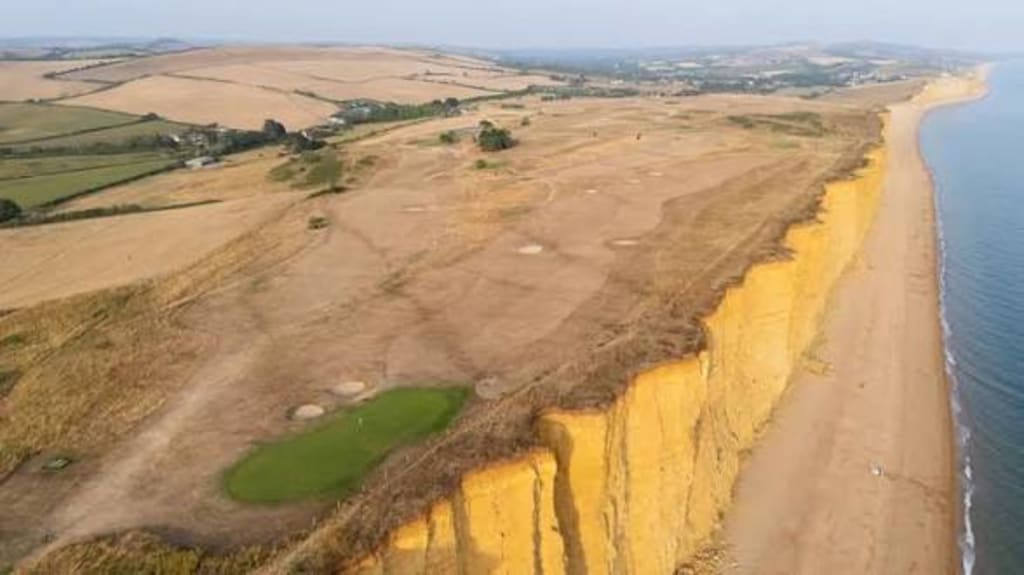
More than half of England is now officially classified as being in drought, according to the Environment Agency, raising concerns about water supplies, agriculture, wildlife, and the broader impact of climate change on the country. The announcement comes after months of exceptionally low rainfall, higher-than-average temperatures, and declining river and reservoir levels across large parts of the nation.
Officials warned that prolonged dry conditions have placed significant pressure on water resources, prompting authorities and water companies to introduce conservation measures and encourage households to reduce water consumption. Environmental experts say the situation highlights the growing challenges posed by extreme weather patterns that are becoming more frequent in the United Kingdom.
The Environment Agency reported that several regions, particularly in central, eastern, and southern England, have experienced well below-average rainfall over recent months. Reservoir levels in some areas have fallen substantially, while river flows and groundwater supplies have also declined. These conditions have led to drought declarations across multiple regions, affecting millions of residents and businesses.
Agriculture is among the sectors facing the greatest impact. Farmers have reported difficulties maintaining crops and livestock as water availability decreases and soil moisture levels continue to drop. Many agricultural producers are concerned that continued dry weather could lead to reduced harvests, higher production costs, and financial losses.
The drought has affected a wide range of crops, including vegetables, cereals, and fruits. Irrigation demands have increased significantly, placing additional pressure on already strained water supplies. Some farmers have warned that without sufficient rainfall in the coming weeks, yields could decline sharply, potentially affecting food prices and supply chains.
Environmental organizations have also expressed concern about the consequences for wildlife and ecosystems. Rivers, lakes, and wetlands provide essential habitats for fish, birds, amphibians, and other species. As water levels fall, these ecosystems become increasingly vulnerable to habitat loss, reduced water quality, and higher temperatures.
Experts note that drought conditions can lead to lower oxygen levels in rivers and streams, creating stress for aquatic life. In some cases, fish populations may decline or migrate in search of more suitable environments. Wetland areas, which play a critical role in supporting biodiversity and storing carbon, are particularly vulnerable during prolonged periods of dry weather.
Water companies across England have responded by urging customers to conserve water wherever possible. Public campaigns have encouraged simple measures such as reducing shower times, fixing leaks, using watering cans instead of hoses, and avoiding unnecessary water use. Some regions have already implemented temporary restrictions on activities such as garden watering and car washing.
Government officials emphasized that protecting water resources is a shared responsibility. While authorities continue to monitor conditions closely, they have stressed that individual actions can collectively make a significant difference in reducing demand during periods of drought.
Climate scientists say the current situation reflects a broader trend of increasing weather extremes linked to global climate change. Although droughts have occurred throughout England's history, experts argue that rising global temperatures are increasing the likelihood and severity of prolonged dry periods. Warmer conditions can accelerate evaporation, reduce soil moisture, and place additional stress on water systems.
Research has shown that climate change is contributing to more frequent heatwaves and altered rainfall patterns across Europe. As a result, many regions are expected to experience greater variability between periods of heavy rainfall and extended drought. Scientists warn that adapting to these changes will require long-term investment in water infrastructure, environmental protection, and sustainable resource management.
The economic implications of drought extend beyond agriculture. Industries that depend on reliable water supplies may face operational challenges, while tourism and recreation activities associated with rivers, lakes, and natural landscapes could also be affected. Reduced water availability can create additional costs for businesses and local authorities tasked with managing scarce resources.
Public health experts have also highlighted potential risks associated with prolonged heat and drought conditions. Higher temperatures can increase the likelihood of heat-related illnesses, particularly among elderly individuals and vulnerable populations. Reduced water availability may further complicate efforts to maintain public health and environmental quality during extreme weather events.
Despite the seriousness of the situation, meteorologists caution that weather patterns can change rapidly. Forecasts suggesting periods of rainfall may provide temporary relief in some areas, although experts note that sustained and widespread precipitation would be required to significantly improve drought conditions. Short-term rainfall often provides only limited benefits when reservoirs, rivers, and groundwater reserves have experienced months of depletion.
Looking ahead, policymakers face growing pressure to strengthen the nation's resilience to future droughts. Proposed measures include expanding reservoir capacity, improving water efficiency, reducing leakage from supply networks, and enhancing environmental conservation efforts. Many experts argue that a combination of infrastructure investment and climate adaptation strategies will be essential to addressing future water challenges.
As England confronts one of its most significant drought episodes in recent years, the situation serves as a reminder of the increasing importance of sustainable water management in a changing climate. With millions of people affected and environmental pressures continuing to mount, the coming months will be critical in determining how effectively the country can respond to the challenges posed by prolonged dry weather.
About the Creator
Enjoyed the story? Support the Creator.
Subscribe for free to receive all their stories in your feed.
Comments
There are no comments for this story
Be the first to respond and start the conversation.