
Medicinal Plants and Their Benefits: Natural Remedies for Health and Wellness
Discover the powerful benefits of medicinal plants for boosting immunity, improving digestion, reducing stress, and supporting natural health and wellness.

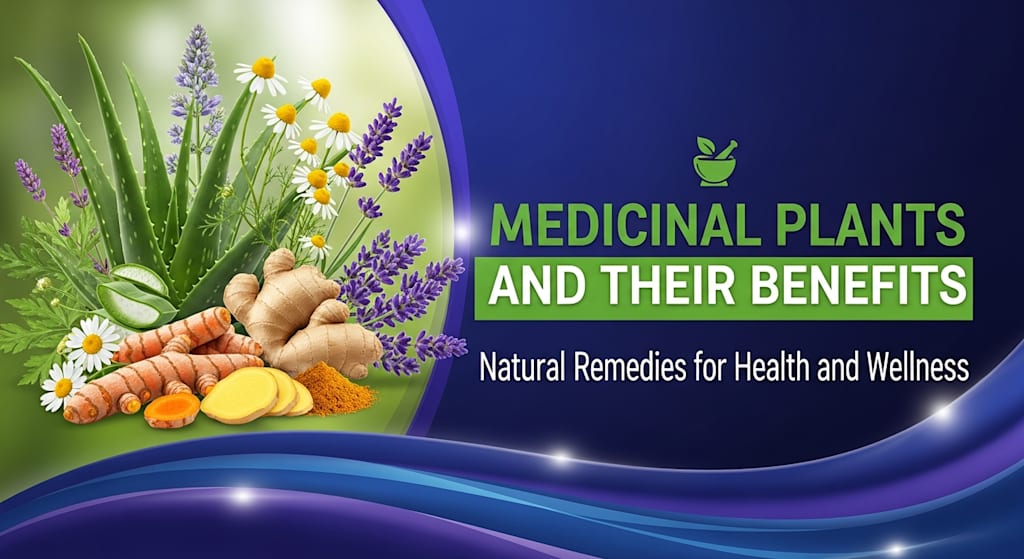
Medicinal plants have been used for thousands of years as natural remedies to treat illnesses, improve overall health, and promote well-being. Long before modern pharmaceuticals existed, ancient civilizations relied on the healing power of plants to address a wide range of health concerns. Today, as more people seek natural and holistic approaches to health, medicinal plants are making a strong comeback as effective and sustainable alternatives.
At the heart of medicinal plants is their rich composition of bioactive compounds. These natural substances, such as alkaloids, flavonoids, and essential oils, are responsible for the healing properties found in many herbs and plants. For example, plants like ginger and turmeric are well known for their anti-inflammatory and antioxidant effects, helping to reduce pain and protect the body against chronic diseases. Similarly, garlic has powerful antimicrobial properties that can help fight infections and support the immune system.
One of the most significant benefits of medicinal plants is their ability to support the immune system. Herbs such as echinacea, elderberry, and moringa are widely used to strengthen the body’s natural defenses. Regular use of these plants can help reduce the frequency of illnesses like colds and flu, while also improving the body’s ability to recover more quickly. This makes medicinal plants an excellent choice for those looking to maintain long-term health naturally.
Medicinal plants are also highly effective in promoting digestive health. Many herbs have soothing properties that help calm the digestive system and improve nutrient absorption. Peppermint, for instance, is often used to relieve bloating, gas, and indigestion. Aloe vera can support gut health and help reduce inflammation in the digestive tract. By incorporating these plants into your daily routine, you can maintain a healthier digestive system and prevent common gastrointestinal issues.
Another important advantage of medicinal plants is their role in managing stress and improving mental well-being. In today’s fast-paced world, stress and anxiety have become common challenges. Adaptogenic herbs like ashwagandha and holy basil help the body adapt to stress and restore balance. Chamomile and lavender are also widely used for their calming effects, promoting relaxation and better sleep. These natural remedies offer a gentle yet effective way to support mental health without the side effects often associated with synthetic medications.
In addition to internal health benefits, medicinal plants are also widely used for skin care and healing. Plants such as calendula, tea tree, and neem have antibacterial and anti-inflammatory properties that make them effective in treating skin conditions like acne, eczema, and minor wounds. Aloe vera, in particular, is known for its soothing and moisturizing effects, making it a popular choice for treating burns and skin irritation. Using plant-based remedies for skin care not only nourishes the skin but also avoids harsh chemicals found in many commercial products.
One of the reasons medicinal plants are so valuable is their accessibility and sustainability. Many of these plants can be easily grown at home, even in small spaces like balconies or containers. By cultivating your own medicinal garden, you gain direct access to fresh, organic ingredients that can be used to create teas, tinctures, oils, and salves. This not only reduces costs but also ensures that you know exactly what you are putting into your body.
Moreover, medicinal plants encourage a more holistic approach to health. Instead of simply treating symptoms, they often work to address the root causes of health issues. This approach supports the body’s natural healing processes and promotes overall balance. It empowers individuals to take control of their health in a proactive and informed way.
However, it is important to use medicinal plants responsibly. While they are natural, they can still have strong effects on the body and may interact with medications. Proper knowledge, correct dosages, and consultation with a healthcare professional are essential to ensure safe and effective use.
In conclusion, medicinal plants offer a powerful and natural way to support health and wellness. From boosting immunity and improving digestion to reducing stress and enhancing skin health, their benefits are wide-ranging and well-established. As interest in natural living continues to grow, incorporating medicinal plants into daily life can be a meaningful step toward a healthier, more balanced lifestyle. Whether used as simple home remedies or as part of a larger wellness routine, these plants provide a timeless and valuable resource for maintaining overall well-being.
About the Creator
TheHonest Publishing
The Honest Publishing delivers fresh, reliable updates on the latest news, sharing insightful stories, trends, and news that keep readers informed and ahead.
Enjoyed the story? Support the Creator.
Subscribe for free to receive all their stories in your feed.
Comments
There are no comments for this story
Be the first to respond and start the conversation.