
Mass Movement
A Dynamic Force Shaping Earth's Lanscapes
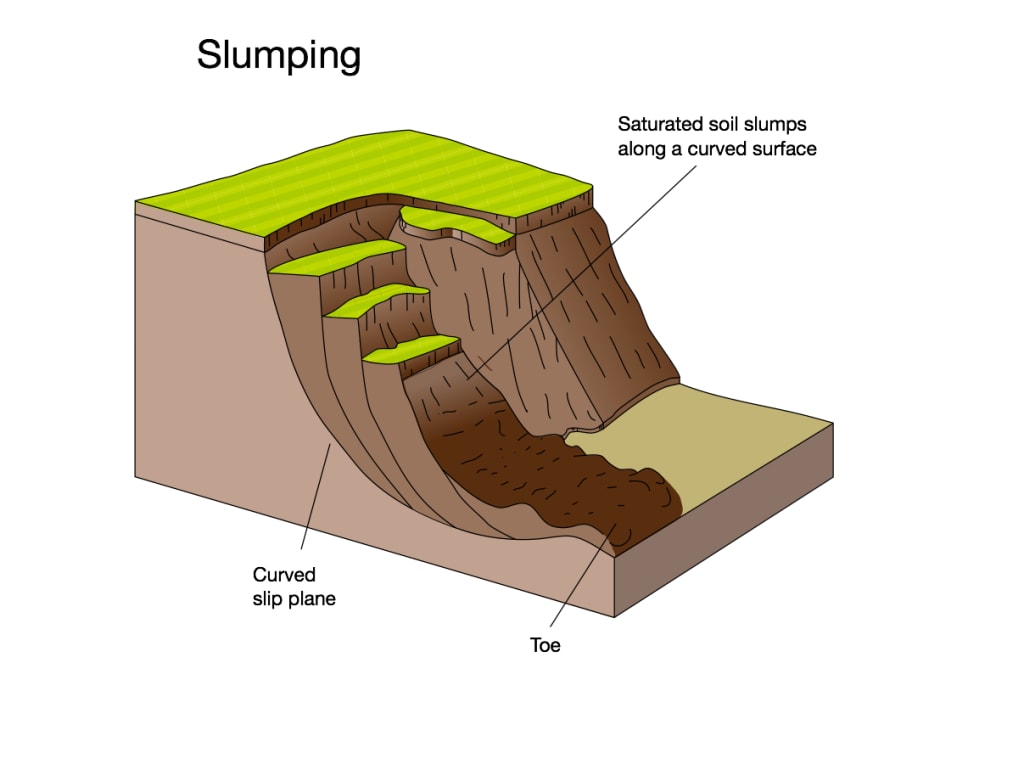
Mass movement, often referred to as mass wasting or slope movement, is a geological process that has been quietly shaping the Earth's surface for millions of years. This fascinating phenomenon, driven by the relentless force of gravity, plays a fundamental role in shaping landscapes, carving valleys, and influencing the topography of our planet. In this article, we will delve into the intriguing world of mass movement, exploring its various forms, underlying causes, and the profound impact it has on both natural environments and human activities.
Types of Mass Movement
Mass movements come in a variety of forms, each with its unique characteristics and mechanisms. Some of the most notable types include:
1. Landslides:Landslides are perhaps the most dramatic and destructive form of mass movement. They involve the sudden and rapid displacement of rock, soil, and debris down a slope. Landslides can be triggered by various factors, including heavy rainfall, rapid snowmelt, earthquakes, volcanic eruptions, and even human activities such as construction and mining. The scale of landslides can range from small, localized events to catastrophic avalanches that reshape entire mountainsides.
2. Mudslides (Mudflows):Mudslides, also known as mudflows, are characterized by the downhill movement of water-saturated mud and debris. These events often occur in regions with steep terrain and abundant rainfall. Mudslides are notorious for their destructive power, capable of carrying boulders, trees, and structures in their path. They pose a significant risk to communities located in vulnerable areas.
3. Rockfalls and Rockslides:Rockfalls and rockslides involve the rapid descent of individual rocks or large rock masses down a slope. These events are typically triggered by weathering and erosion, which weaken the rock, or by seismic activity. While they may not cover vast areas like landslides or mudslides, rockfalls and rockslides can still be extremely hazardous, especially in mountainous regions.
4. Creep:In contrast to the rapid movements mentioned earlier, creep is a slow and continuous downslope movement of soil and rock. It is driven by factors such as temperature fluctuations and the force of gravity. Over time, this subtle form of mass movement can lead to the tilting of structures and roads, causing long-term damage.
Causes of Mass Movement:The underlying causes of mass movements are diverse and often interrelated:
1. Gravity:Gravity is the primary force driving mass movement. It relentlessly pulls objects and materials downslope, making it the driving force behind all types of mass movements.
2. Water:Water, in its various forms, is a key player in many mass movements. Rainwater can infiltrate soil, saturating it and increasing its weight. This reduces the friction between particles, making it easier for material to move downslope. Additionally, water can act as a lubricant, facilitating the movement of rocks and debris in landslides and mudslides.
3. Human Activities:Human activities such as deforestation, urban development, construction, mining, and irrigation can significantly increase the risk of mass movements. Altering the natural landscape can disrupt the equilibrium of forces that hold slopes in place, making them more susceptible to failure.
4. Earthquakes and Volcanic Activity:Seismic events, such as earthquakes and volcanic eruptions, have the power to trigger mass movements. The ground shaking generated by these events can dislodge rocks and soil, initiating landslides and other forms of mass movement.
Environmental and Societal Impacts:Mass movements can have profound and far-reaching impacts on both natural environments and human activities:
1. Loss of Life and Property:One of the most immediate and devastating consequences of mass movements is the potential loss of life and damage to infrastructure. Homes, roads, bridges, and entire communities can be swept away by landslides and mudslides.
2. Erosion:Mass movements accelerate soil erosion, leading to the loss of fertile topsoil and the degradation of agricultural land. This can have long-term consequences for food production and ecosystem health.
3. Habitat Destruction:These events can alter or destroy natural habitats, affecting wildlife and biodiversity. Animals and plants that rely on stable slopes can be displaced or endangered.
4. Water Quality:Mudslides and landslides can introduce large amounts of sediment into rivers and streams, degrading water quality and impacting aquatic ecosystems. This can harm fish populations and disrupt the balance of aquatic ecosystems.
Conclusion:
Mass movement is a dynamic geological process that continually shapes the Earth's surface. While it is a natural phenomenon, human activities can exacerbate its frequency and severity, leading to environmental and societal consequences. Understanding the causes and consequences of mass movements is crucial for developing strategies to mitigate their impact on communities and ecosystems.Through careful planning, sustainable land management practices, and the monitoring of vulnerable areas, we can reduce the risks associated with mass movements. By doing so, we can safeguard lives and property while preserving the natural beauty and resilience of our planet's landscapes. Mass movement, though powerful, is a force that can be understood and managed to coexist harmoniously with our environment.
About the Creator
Enjoyed the story? Support the Creator.
Subscribe for free to receive all their stories in your feed.
Comments
There are no comments for this story
Be the first to respond and start the conversation.