
Lunar New Year: A Celebration of Renewal and Tradition
Introduction
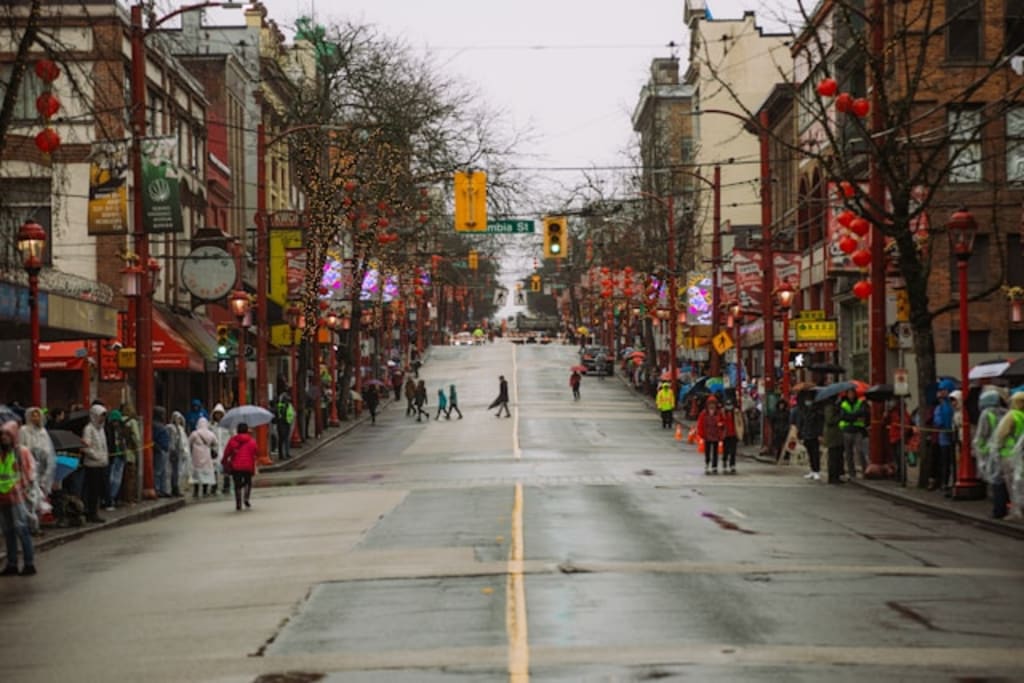
Lunar New Year, also known as Chinese New Year or Spring Festival, is one of the most significant festivals in many East Asian cultures, including those of China, Vietnam, Korea, and others. Celebrated according to the lunisolar calendar, it marks the beginning of a new year, symbolizing a time of renewal, family reunion, and the welcoming of good fortune.
Origins and Significance
The Lunar New Year has ancient roots, believed to originate from the Shang Dynasty more than 3,000 years ago. It's tied to agricultural cycles, celebrating the end of winter and the approach of spring, which signifies new beginnings. This festival is about bidding farewell to the old year's misfortune and ushering in a year of hope, prosperity, and good health.
The Zodiac of China
The Chinese zodiac, which has a 12-year cycle and assigns an animal sign to each year, is a major component of the festivities. Rats, oxen, tigers, rabbits, dragons, snakes, horses, goats, monkeys, roosters, dogs, and pigs are among them. Astrological forecasts for the year are influenced by the traits that each animal is linked to. For example, 2025 is the Year of the Wood Snake, which represents insight, foresight, and strategic planning.
Traditions and Preparations
1. Cleaning and Decorating: To chase bad luck away and make room for good fortune, dwellings are meticulously cleaned before the New Year. Red, which represents happiness and good fortune, is the most common hue used for decorating. Houses and streets are decorated with red lanterns, couplets, and paper cuttings.
2. Reunion supper: Families get together for a feast known as the reunion supper on New Year's Eve. Foods with symbolic meanings include noodles (for longevity), dumplings (for wealth), and fish (for abundance).
3. Fireworks and Lion/Dragon Dances: While lion and dragon dances are performed to bring luck and wealth, fireworks are fired off to ward off the legendary beast Nian.
4. Red Envelopes: Known as "hongbao" in Chinese, these envelopes filled with money are given to children and unmarried adults, symbolizing the transfer of good fortune.
Activities and Duration of the Celebration
The Lantern Festival marks the conclusion of the 15-day Lunar New Year celebrations. Each day has its traditions:
Greetings such as "Gong Xi Fa Cai" (Mandarin) or "Chúc Mừng Năm Mới" (Vietnamese) are exchanged, people visit family, and they pray for good fortune on New Year's Day.
Prayers for the ancestors on the second day.
Days three through five: Continued visits to friends and family.
Lantern Festival: To commemorate the first full moon of the year, lanterns light up the night on the fifteenth day. It is traditional to eat bánh chưng (square sticky rice cake) in Vietnam or tangyuan (rice balls) in China.
Cultural Differences
Each nation adds its own distinct flavor to the celebration, even if the essential elements are the same:
Vietnam (Tết Nguyên Đán): A cat, rather than a rabbit, is part of the Vietnamese zodiac. Making Bánh chưng and restocking the home altar for ancestors are two ways to commemorate Tết.
Korea (Seollal): Traditional games, tteokguk (rice cake soup), and hanbok wearing are all part of the ancestral traditions.
Other Countries: Local customs and traditional practices are combined in celebrations in Singapore, Malaysia, and the Chinese diaspora around the world.
Modern Celebrations
These days, major cities all around the world celebrate Lunar New Year, which has gained international significance. In cities like Sydney, London, and San Francisco, parades, cultural events, and markets are typical. With millions of people going home to celebrate in what is referred to be the largest yearly human migration in the world, the festival's core is still centered on family.
Challenges and Adaptation
The festival faces modern challenges, including environmental concerns over fireworks, the impact of globalization on traditional practices, and the need for cultural preservation amidst rapid societal changes. Yet, it continues to adapt, embracing digital greetings, virtual reunions, and sustainable practices to maintain its vibrancy.
Conclusion
Lunar New Year is not just a time for celebration but a profound cultural event that reinforces family ties, community bonds, and cultural identity. It's a festival that, through its myriad of customs and traditions, teaches lessons in patience, renewal, and the pursuit of harmony. As the world becomes increasingly interconnected, Lunar New Year serves as a bridge, sharing rich cultural heritage with all who partake in its joy.
About the Creator
Enjoyed the story? Support the Creator.
Subscribe for free to receive all their stories in your feed.
Comments
There are no comments for this story
Be the first to respond and start the conversation.