
Lost in the Last Oasis
A Story of Hope and Despair in a Dying World
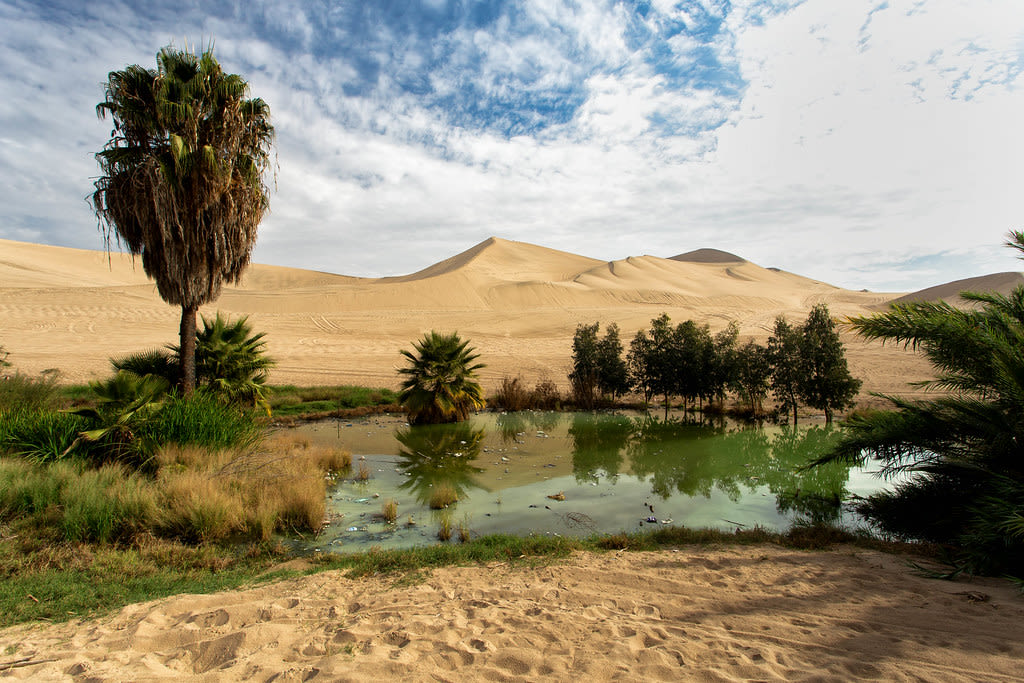
In a world plagued by relentless environmental degradation and climate catastrophes, the narrative unfolds around a small community struggling to survive amid dwindling resources and a vanishing landscape. The story centers on Maya, a young woman whose memories are imbued with images of lush forests, vibrant wildlife, and pristine waters—scenes that now exist only in faded photographs and the tales of the older generation.
Maya resides in a settlement surrounded by barren lands, where once-thriving ecosystems have succumbed to the merciless effects of climate change. Water is scarce, the air heavy with pollutants, and the sun's harsh rays seem to scorch the earth relentlessly. With the last remaining oasis in the distance, the community clings to fragile hope, believing that it holds the key to their survival.
As the story unfolds, Maya takes it upon herself to venture toward the fading oasis, driven by a yearning to understand what led to the world's demise and a desperate hope of finding a solution. Her journey is fraught with peril—a hazardous landscape inhabited by desperate scavengers, unpredictable weather patterns, and the looming specter of the collapsing environment.
Throughout her odyssey, Maya uncovers remnants of the past: abandoned cities swallowed by nature, remnants of technology that once fueled civilization, and messages from a time when warnings about the planet's deterioration were dismissed or ignored. Along the way, she encounters individuals who, like her, hold onto flickering hope amidst despair. These encounters fuel her determination to discover the truth and possibly find a way to restore the planet.
Amidst the desolation, Maya discovers the oasis, a breathtaking refuge teeming with life—a poignant reminder of what the world once was. But it's a fragile haven, precariously balancing on the brink of extinction.
Ultimately, Maya unearths a glimmer of possibility—a dormant technology or a forgotten wisdom that could potentially reverse the damages inflicted upon the environment. Yet, the race against time intensifies as the last oasis faces an imminent threat of destruction, mirroring the fate of the world.
The story navigates the emotional journey of a young woman in a desolate world, her struggles, her encounters, and her unwavering determination to rekindle hope for a dying planet. It serves as a powerful reminder of the delicate balance between human existence and the environment and the potential for redemption even in the face of near-apocalyptic conditions.
The ongoing environmental crisis is a result of both individual and governmental actions, and responsibility for its resolution is shared between these two sectors.
Individual Responsibility:
Individual responsibility in addressing the climate crisis revolves around daily actions, consumption patterns, and lifestyle choices. Each person plays a role in the collective impact on the environment. Choices such as reducing personal carbon footprints by conserving energy, minimizing waste, recycling, using public transport or walking, consuming sustainably, and supporting eco-friendly practices are all crucial. Individuals also have the power to advocate for change through their behaviors, social influence, and support for environmentally responsible initiatives. These actions not only reduce the immediate impact but also send a message to corporations and governments about the values and demands of the population.
Government Responsibility:
Governments wield considerable power in instituting broader, more systemic changes to combat climate change. They hold the authority to set regulations, establish policies, and invest in sustainable infrastructure. Their role encompasses enacting laws that limit greenhouse gas emissions, promoting renewable energy sources, implementing conservation efforts, and supporting research and development of green technologies. Furthermore, governments have the ability to engage in international agreements and commitments to collectively combat climate change on a global scale.
Collaborative Responsibility:
The joint effort between individuals and governments is essential for comprehensive change. Citizens have the power to elect officials who prioritize environmental issues and hold them accountable for enacting impactful policies. Governments, in turn, need to listen to the concerns of their citizens and enact legislation that reflects these concerns. Both sectors must collaborate to align personal choices with policy decisions that promote sustainable practices, creating a collective momentum toward a greener future.
It's crucial for individuals to recognize their impact on the environment and governments to acknowledge the responsibility to create an infrastructure that supports sustainable living. The synergy between these two spheres is pivotal in effectively addressing and mitigating the effects of climate change. This intersection between personal accountability and government action is where significant progress in combating the environmental crisis can be made.
About the Creator
Enjoyed the story? Support the Creator.
Subscribe for free to receive all their stories in your feed.
Comments
There are no comments for this story
Be the first to respond and start the conversation.