


Bats
Any woodland or tree that has cavities in the trunk or branches, woodpecker holes, loose bark, cracks, splits, or thick ivy is a good roosting place for bats—particularly oak, beech, and ash trees. Bats have diverse diets that vary by species, including insects, fruit, nectar, and even blood. Their feeding habits play a crucial role in ecosystems, such as pollination and pest control.
Chameleons
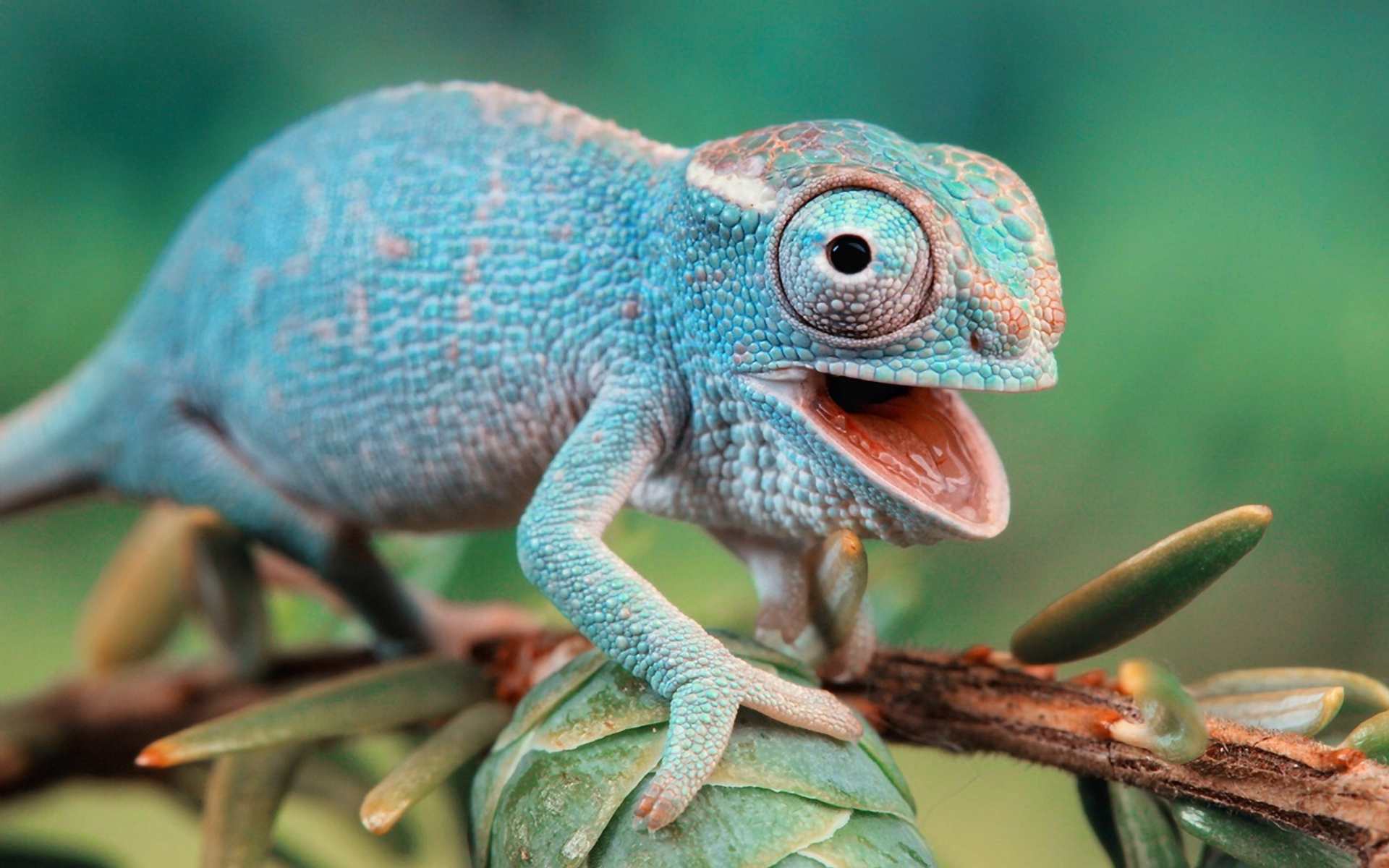
Because of their ability to blend in with their surrounding, chameleons are adept at hiding from predators. They can move around due to their long tails and their strong spines. Chameleons lay eggs that adhere to branches and have an eight-year lifespan. Although they can go up to three months without feeding, chameleons typically eat insects and occasionally plants and small animals.
Italian Tree Frogs
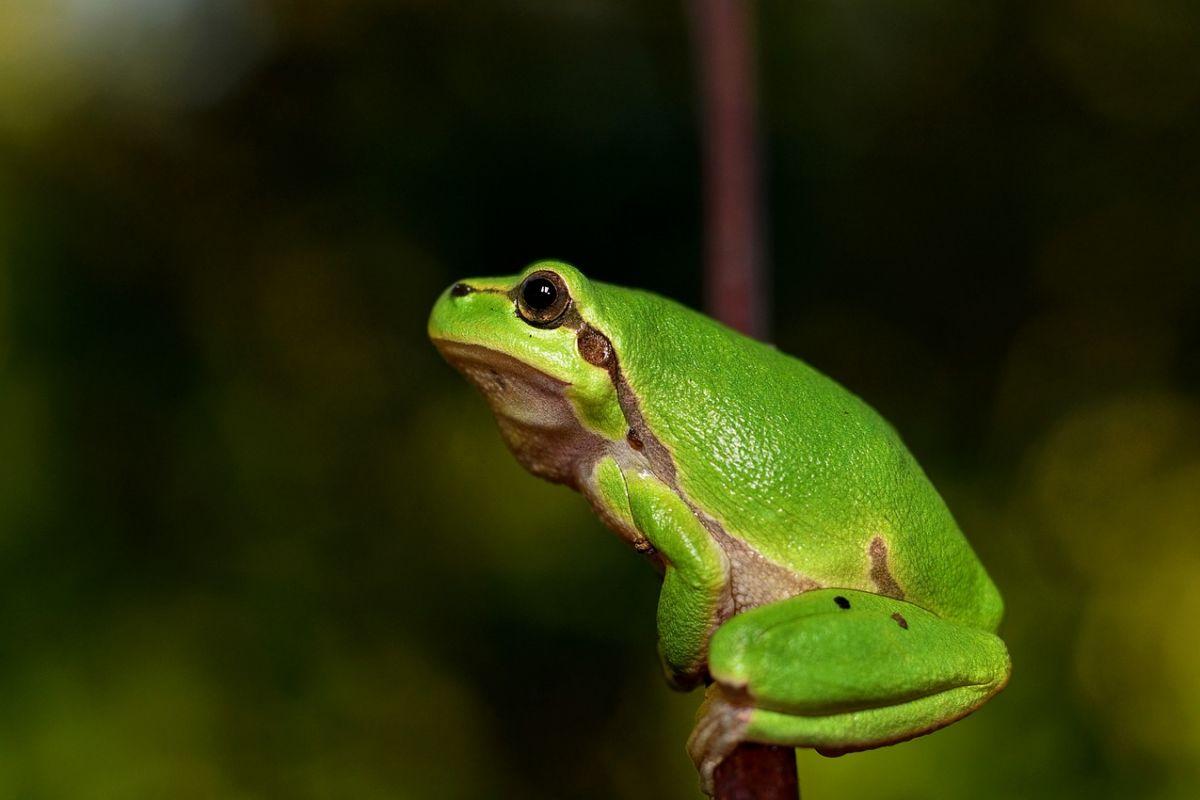
Numerous species of tree frogs have evolved to survive a wide range of various environments all around the world. They can jump enormous distances when moving between trees thanks to their incredibly powerful limbs. Additionally, Italian tree frogs have unique toe disks that enable them to adhere to surfaces, which is a great advantage for dwelling in the treetops. They dine on insect larvae, spiders, ants, and other insects. Only descending to the ground to mate and lay eggs.
Kinkajous
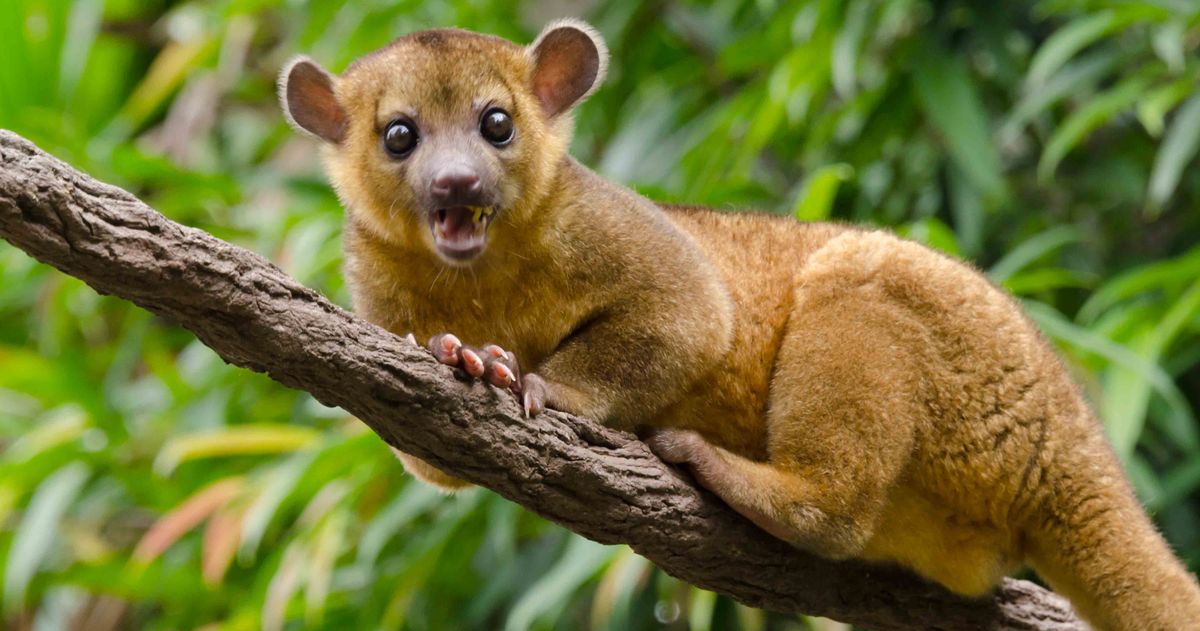
Kinkajous, sometimes referred to as “honey bears," are arboreal animals that mostly inhabit trees. First of all, trees give these creatures food in the form of fruits, nectar, and honey, making it an ideal habitat for them to obtain their primary source of sustenance and a degree of protection from predators. Kinkajous can climb trees with remarkable speed and agility and easily climb up and down due to their prehensile tails that can wrap around branches and anchor them. They are nocturnal and spend days resting in tree canopies.
Koalas
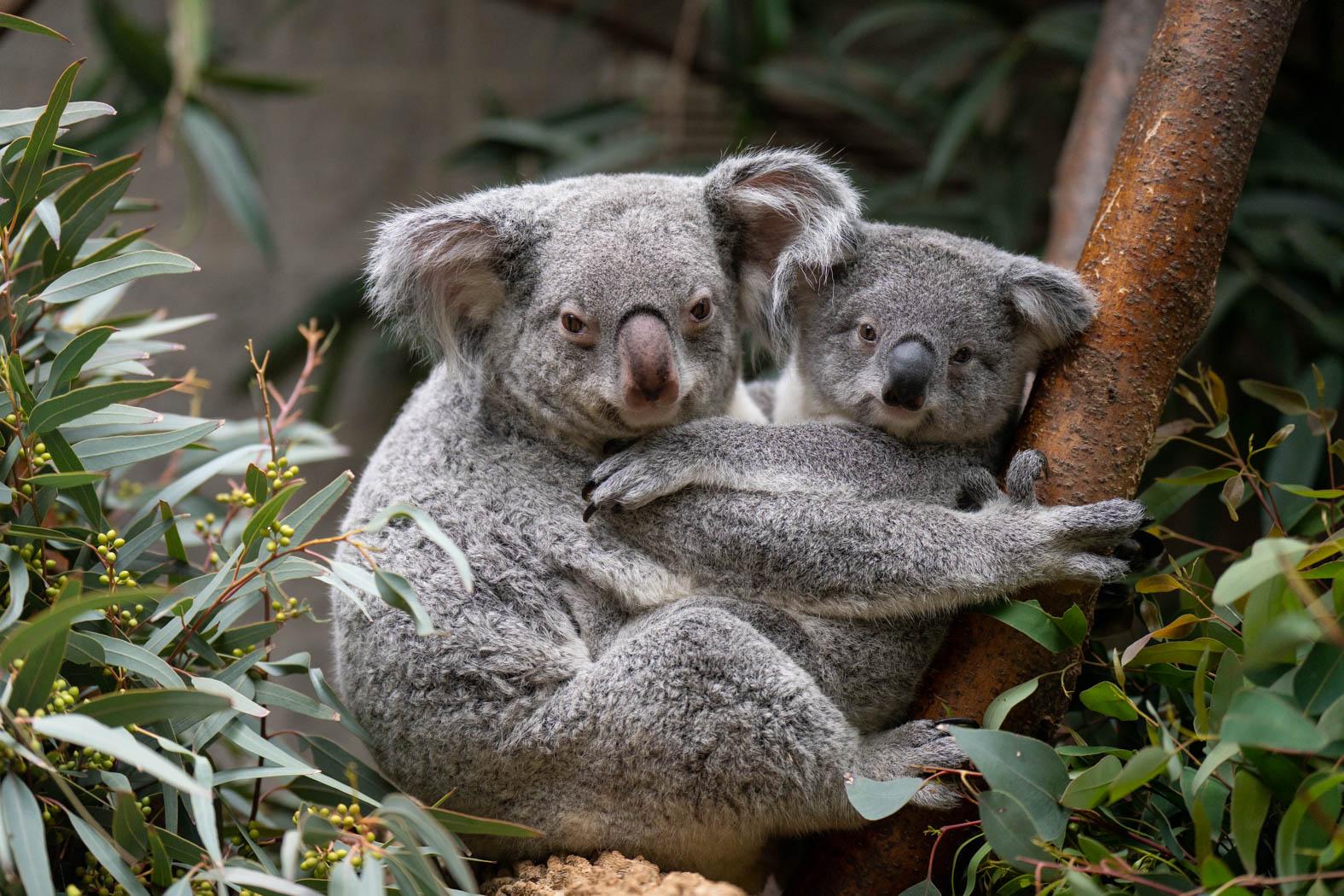
Australia is the home of koalas. They exclusively consume plants since they are herbivores. Even though they move very slowly, koalas may nevertheless use their claws to climb trees. They sleep curled up, facing away from the direction of the wind, and are nocturnal. Koalas go into hibernation once a year, which causes them to lose weight and become less active. They huddle together in bunches to remain warm while sleeping.
Orangutans
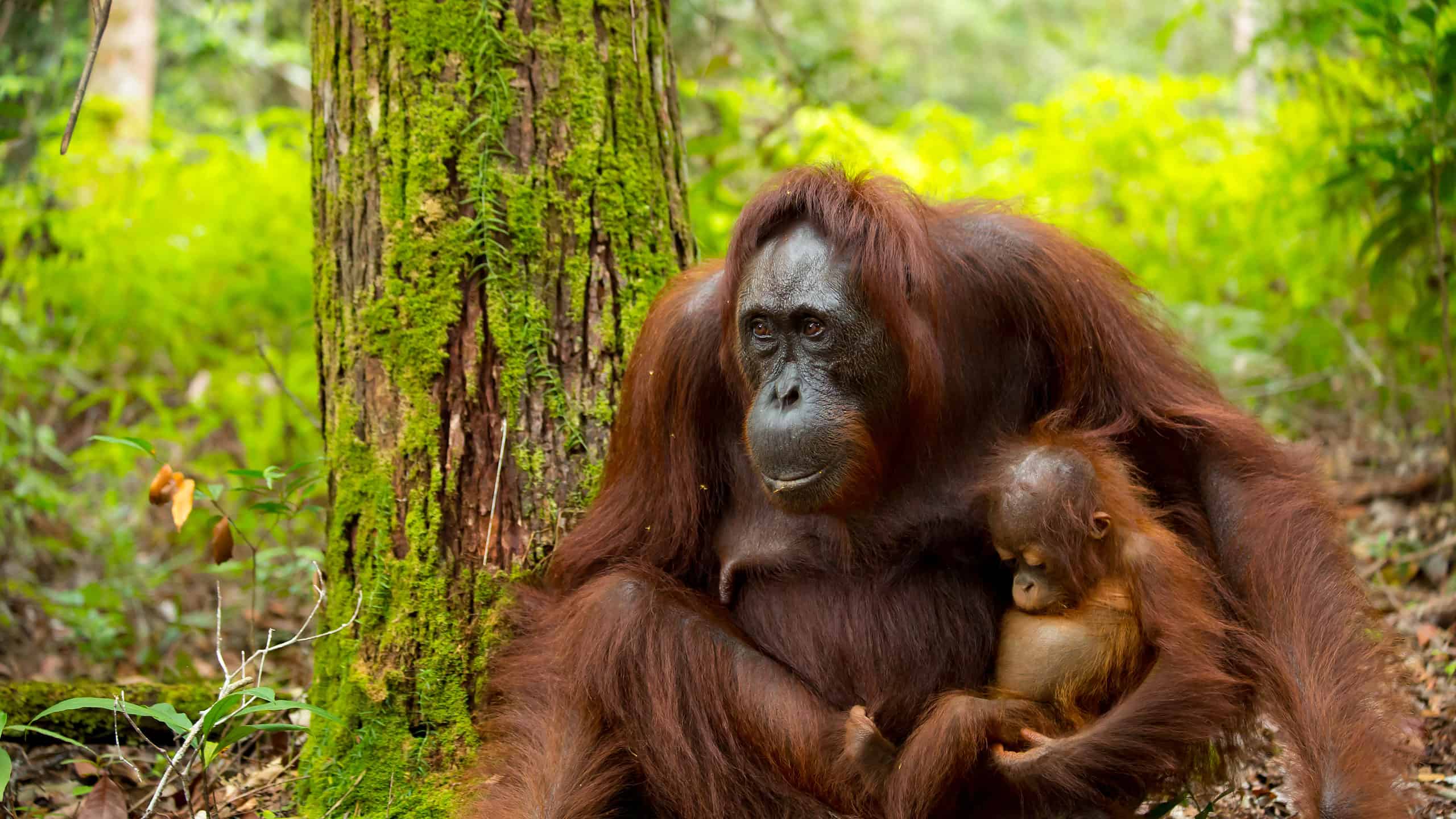
These large primates inhabit forests. They spend their time building nests atop trees and moving from one tree to another. Orangutans live in the forests of Sumatra and Borneo. They are known to communicate using hand gestures. Orangutans are omnivores consuming both meat and plants such as fruit, nuts, roots, leaves, bark, and insects. Because they are solitary animals, they hardly ever socialize with other members. However, they do develop close relationships with one another, and when a group member passes away, they grieve for days. This refers to "bonding." Orangutans are known to be highly creative and intellectual creatures.
Sloths
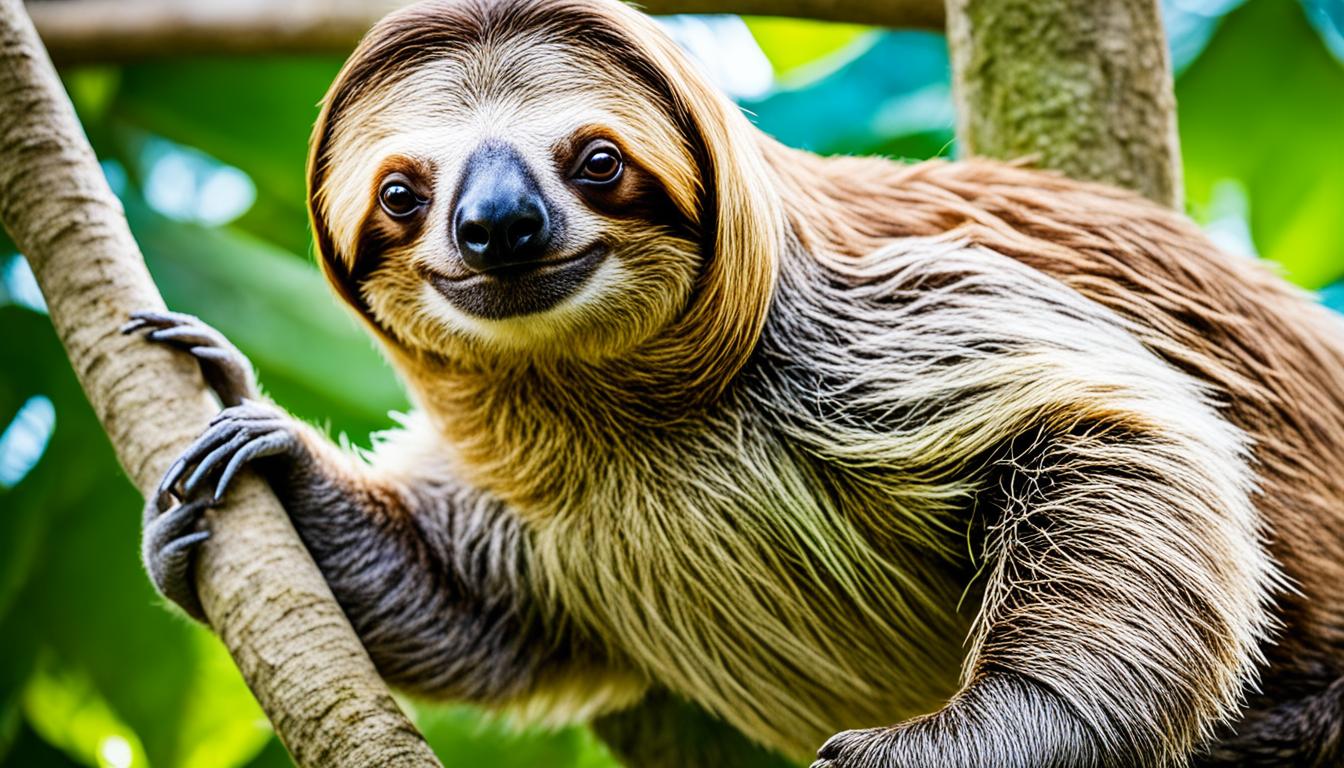
Sloths are cute, sluggish creatures who live in the treetops and are known for their slow movements. Both extinct terrestrial ground sloths and living arboreal tree sloths belong to the suborder Folivora. They inhabit portions of Brazil and Peru as well as Central and Northern South America. Sloths primarily eat leaves, buds, and tender shoots, making them folivores. Their diet is largely composed of foliage from tropical trees, particularly cecropia leaves, although some species may occasionally consume fruits or seed pods.
Tree Kangaroos
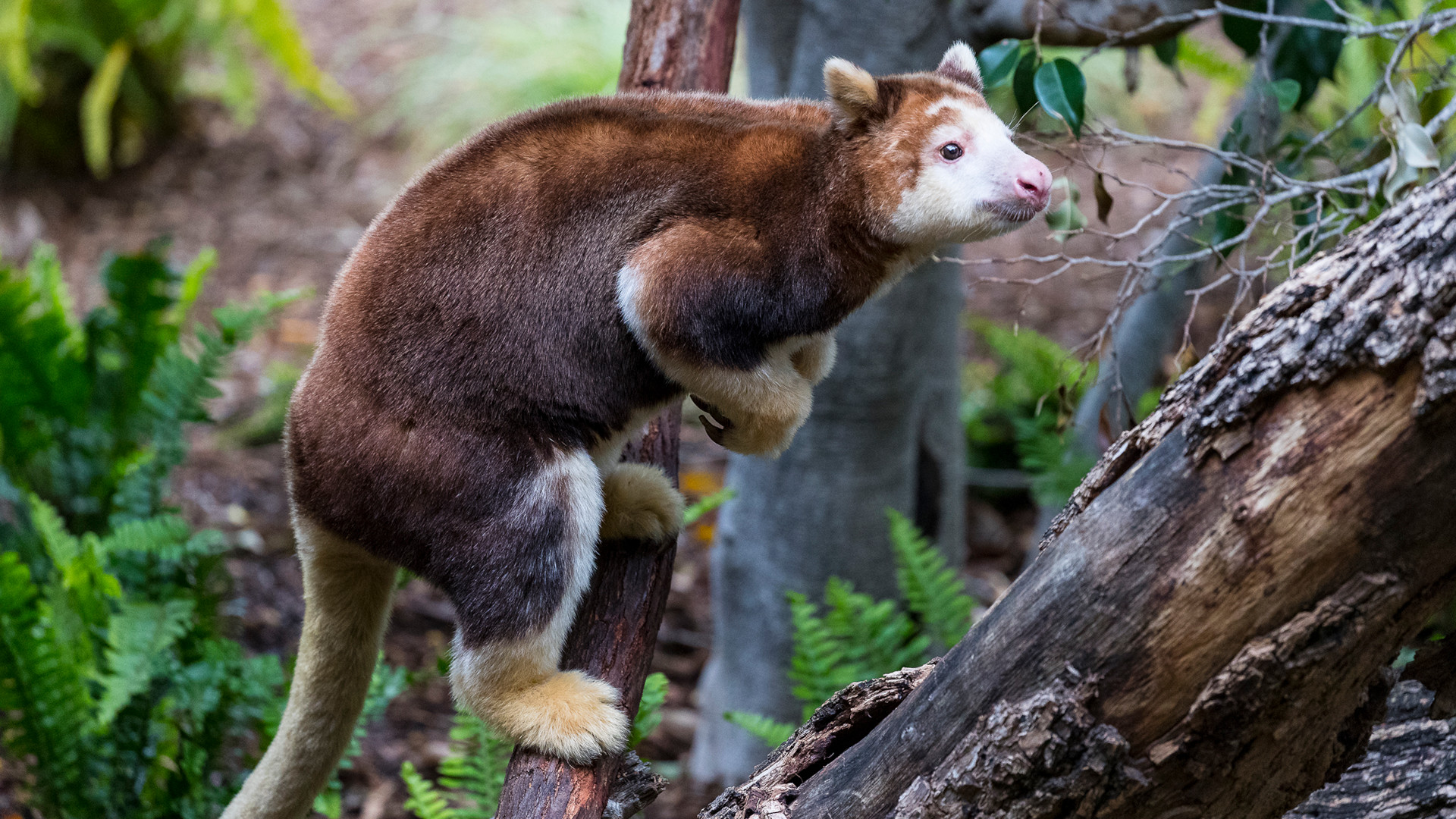
People who clear forests for agriculture are destroying the habitat of tree kangaroos, which is driving many species to extinction. They are persecuted because of being known as pests. Scientists didn’t realize they were marsupials until the 1800s. When jumping from branch to branch, tree kangarooos utilize their long tails to help them stay balanced. Before landing on a different branch, they can leap up to 20 feet. These kangaroos are nocturnal animals and sleep during the day, becoming active at night. They hide in holes in bushes or trees during the day. The kangaroos pull their legs under their bodies and roll up into balls to sleep. Grass, leaves, fruit, flowers, insects, worms, and small marsupials like mice make up their food.
Tree Squirrels
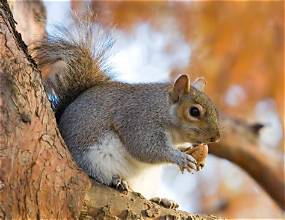
Common tree dwellers, tree squirrels, inhabit a wide variety of environments. A few squirrels can be seen scuttling up trees and dashing across parks and forests in pursuit of nuts. Primarily they are herbivores but occasionally consume rodents and small birds. They can run quickly and have large claws and strong fangs. Squirrels enjoy playing games, chasing each other and running around. They have superior night vision. Squirrels hibernate during the winter and wake up in the spring to resume eating
About the Creator
Rasma Raisters
My passions are writing and creating poetry. I write for several sites online and have four themed blogs on Wordpress. Please follow me on Twitter.
Enjoyed the story? Support the Creator.
Subscribe for free to receive all their stories in your feed. You could also become a paid subscriber, letting them know you appreciate their work.
Comments
There are no comments for this story
Be the first to respond and start the conversation.