


Chimpanzees
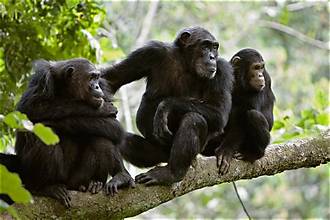
Although a chimpanzee group is generally referred to as a "troop," the most scientifically recognized term is "community," which indicates their stable social structure. The size of these groups can vary, although they usually consist of 15 or more than 150 individuals. The closest animals to humans in terms of genetics are chimpanzees. They travel and live in groups of 30 to 80 and frequently amuse themselves by playing games and laughing together.
Coyotes
The social strategy used by coyotes to interact with one another is howling, which may be heard in the distance. They use this to communicate with one another and to indicate potential prey. If the need arises, coyotes will band together to kill animals. Sometimes they form an odd and unholy partnership with badgers to chase predators or follow crows in search of food. They are among the most gregarious animals on Earth because they can express their desires verbally.
Dolphins
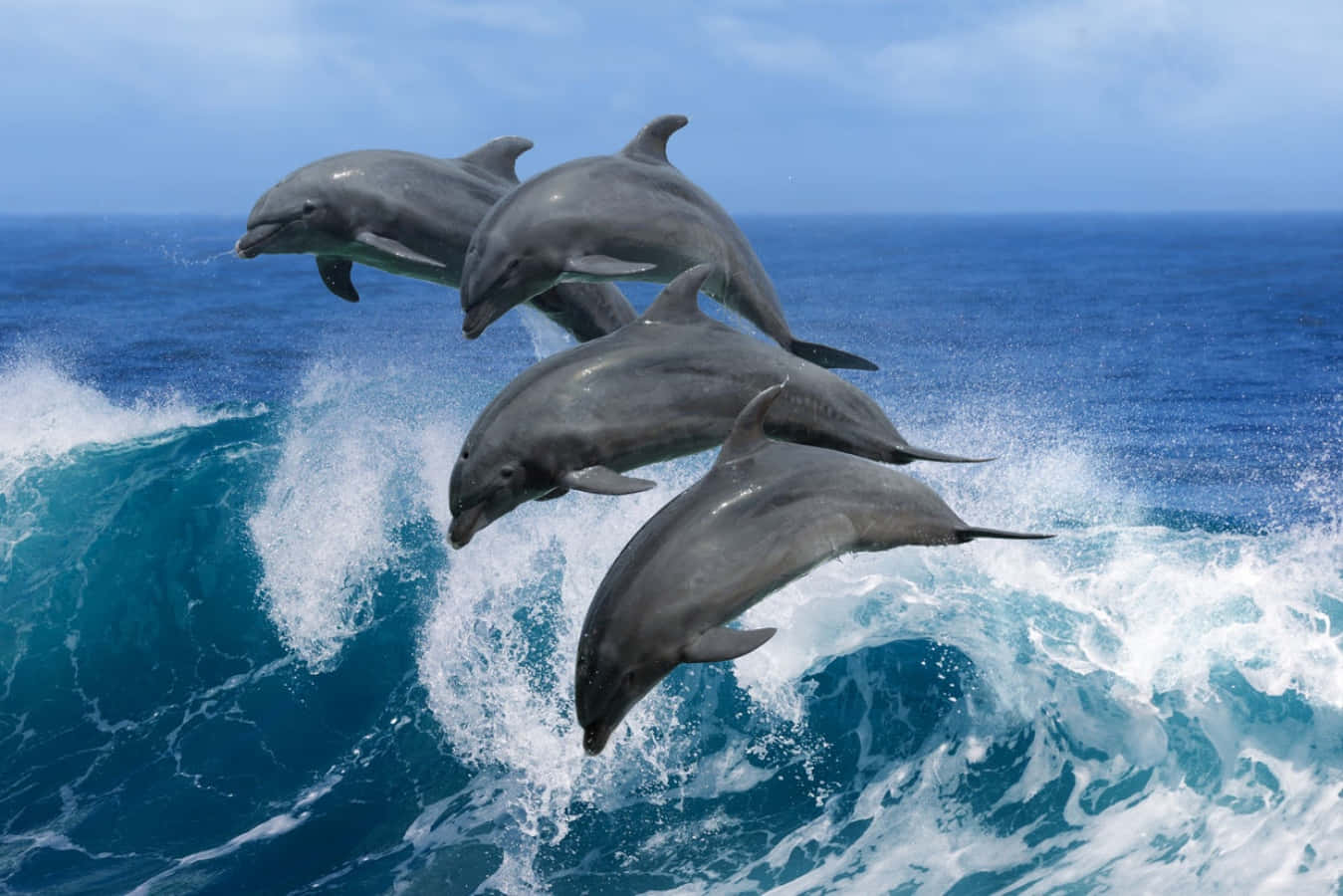
A group of dolphins is commonly referred to as a "pod." This term encompasses various social structures among dolphins, including smaller pods and larger aggregations known as superpods. Dolphins enjoy swimming up and down the coast together, even interacting with any humans they might meet. A pod of dolphins might surround surfers in California just to be near them. Bottlenose dolphin pods might vary from two to as many as 15 swimming together. They swim together to hunt prey and also protect themselves from any attacks from sharks. Dolphins are also very playful and blow air rings for each other.
Elephants
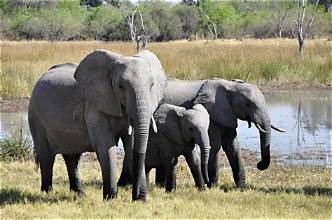
A group of elephants is commonly referred to as a "herd." Other playful terms include "parade" and "memory," though these are less formal. The term "clan" is also used in some contexts to describe family groups within elephant societies. Elephants have amazing memories that let them remember details about people and other animals. When a herd of elephants attended the funeral of a man who had saved one of their lives, it became clear that they can mourn like humans. Up to 24 elephants can be seen traveling together. Even though they are the largest animals on Earth, they travel in groups for protection from predators.
Hippos
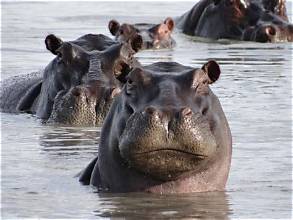
A group of hippos is commonly referred to as a "bloat," but they can also be called a "herd," "raft," or "pod" depending on the context. These are among the most dangerous animals on Earth. They are also incredibly social creatures, interacting with each other and sticking to their bloats from the beginning of their lives. Most hippos enjoy coming together in groups of 20 to 100. They choose a leader, a territorial bull hippo who watches over the bloat and forces the challenger out. These social orders also help to protect their territory against other predators. This social structure helps them survive.
Hyenas
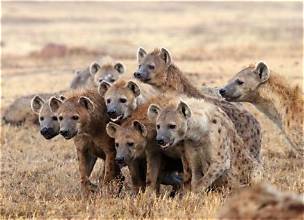
A group of hyenas is most accurately called a "clan." This term is used to describe the complex social structure of spotted hyenas, which can include both males and females. Additionally, smaller groups of female hyenas and their cubs are referred to as a "cackle." The best scavengers are hyenas. They congregate in tribes and work together to get whatever food they can. They are among the most gregarious creatures on the planet and rely on their skills to thrive. For instance, spotted hyenas have developed smell behaviors that enable them to establish a system for marking their distinct territories. Additionally, hyenas use sounds to coordinate their actions and communicate. Spotted hyenas can recall members of their clan and possess an amazing social memory. They may not have seen a family member in a year or two, but this helps them remember them.
Killer Whales
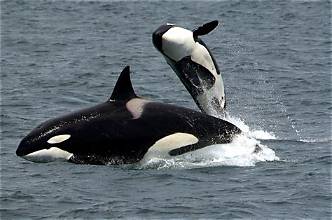
Killer whales are among the biggest animals on Earth. They have no natural predators. These whales tend to come together in groups and are among the most social animals to live in the ocean, swimming together in pods. They enjoy jumping and diving in circles about each other. Some pods might include up to 50 killer whales. They make underwater sounds to feed or communicate with each other. They also coordinate to hunt prey and can be seen working together hunting seals or other fish.
Lions
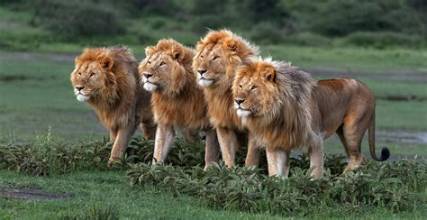
A group of lions is called a pride. This term reflects their social structure, where they live and hunt together as a cohesive unit. The social structure of lions is established from birth. A pride usually consists of one or two male lions, multiple lionesses, and numerous cubs. The lionesses do most of the hunting. The bond between lionesses grows through each day, each hunt, and each moment they spend together. When cubs mature, they leave their pride and look for another pride to join or take over.
Otters
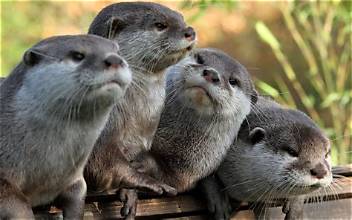
A group of otters is commonly referred to as a "raft," but they can also be called a "bevy" or a "romp" depending on the context and species. These terms reflect their playful nature and social behavior in the wild. While adult male otters hang out alone or with other males, female otters form large groups with their young and old offspring. Larger otter groups are known to come together during feeding time, establishing communication between several groups, allowing them to congregate. In order to survive, they also hunt together.
Penguins
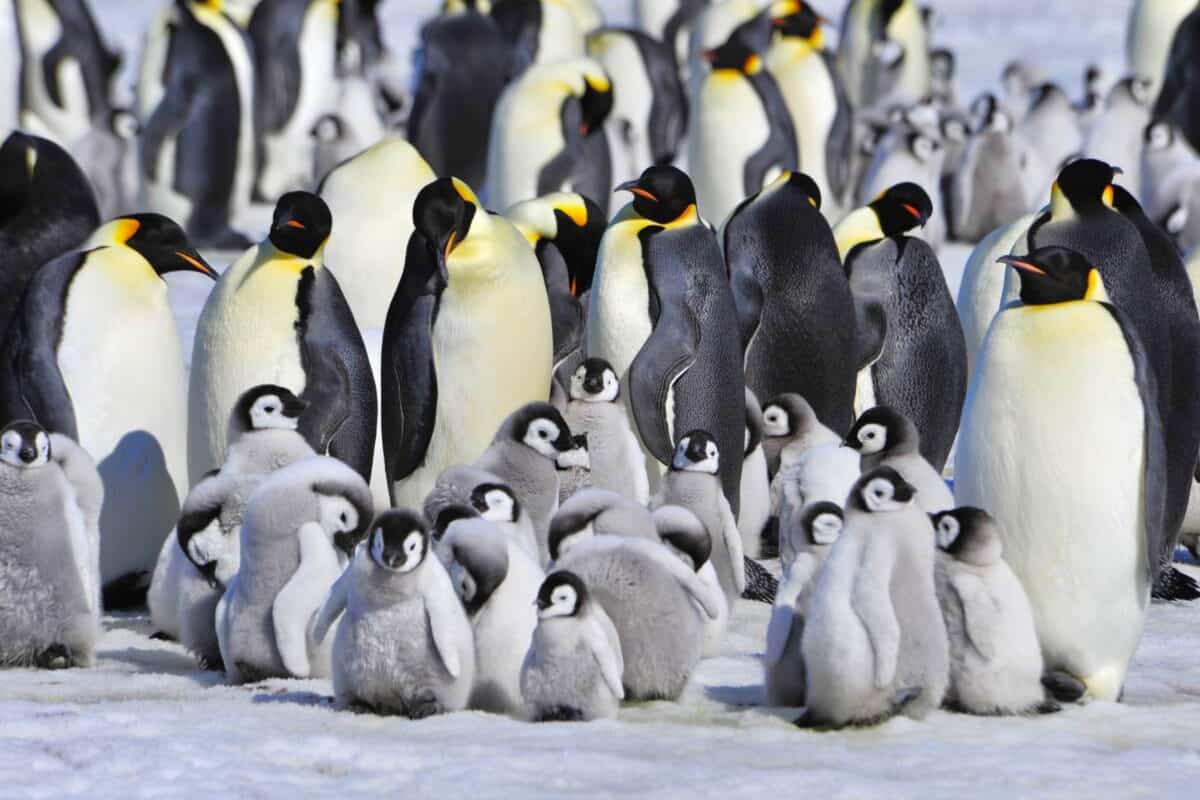
A group of penguins can be referred to as a colony, rookery, huddle, or raft, depending on their activity and location. Each term reflects different aspects of their social behavior and environment. They swim together in groups and eat together as well as diving together. Penguins breed together in their colonies known as rookeries and can feature hundreds of individuals. When penguins hang out on land, the group is referred to as a “colony.” Conversely, when they swim together in the water, they are collectively referred to as a “raft.”
Wildebeests
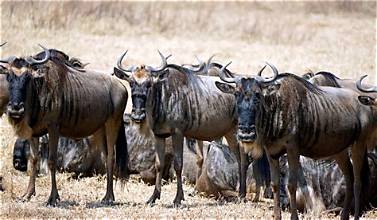
A group of wildebeests is commonly referred to as a "confusion" due to the chaotic nature of their movements, especially during migrations. This term reflects the noise and dust created when large numbers of these animals gather together. They travel in groups and live in large numbers together to help protect themselves from predators like crocodiles and lions. Their groups can consist of 10 to 1,000 wildebeests. These animals also use their group cohesiveness to travel for thousands of miles together.
About the Creator
Rasma Raisters
My passions are writing and creating poetry. I write for several sites online and have four themed blogs on Wordpress. Please follow me on Twitter.
Enjoyed the story? Support the Creator.
Subscribe for free to receive all their stories in your feed. You could also become a paid subscriber, letting them know you appreciate their work.
Comments (1)
I loved how each group name tells a story about the animal, especially coyotes howling to stay connected and elephants staying close for protection. The contrast between the playful penguin huddle and the fierce loyalty of a lion pride really stood out to me. It made me think about how much of animal survival depends on staying together rather than going it alone.