
Lebanon Army Chief in Pakistan, Funeral Plans for Soldiers Killed by Israel
War Problem

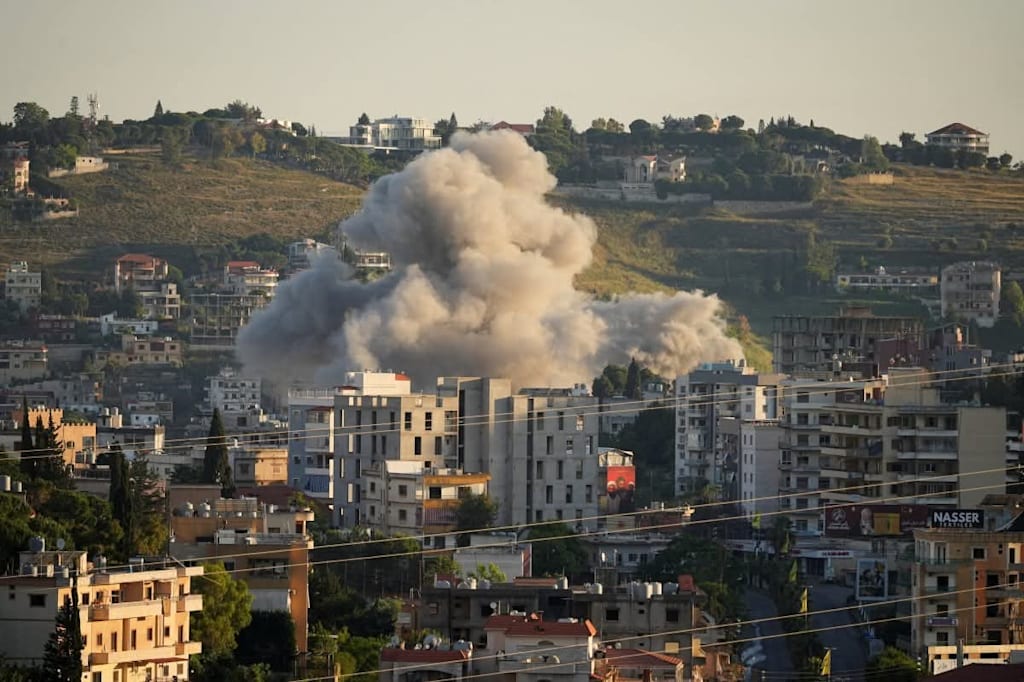
Islamabad/Beirut — Lebanon’s Army Chief arrived in Pakistan this week for high-level meetings aimed at strengthening military cooperation and enhancing bilateral relations between the two countries. The visit comes at a sensitive moment for Lebanon, as the nation prepares to hold funerals for soldiers reportedly killed in recent Israeli military operations near the southern border.
The Lebanese military delegation’s visit to Pakistan highlights the growing defense relationship between Islamabad and Beirut. During the visit, discussions are expected to focus on military training, defense collaboration, counterterrorism cooperation, and regional security challenges. Pakistani military officials welcomed the Lebanese Army Chief and reaffirmed Pakistan’s commitment to supporting friendly nations through defense cooperation and professional military exchanges.
The timing of the visit has drawn significant international attention due to the ongoing security situation in Lebanon. Lebanese authorities have announced funeral arrangements for several soldiers who lost their lives during recent hostilities involving Israeli forces. The deaths have sparked widespread mourning across the country, with political leaders, military officials, and citizens paying tribute to the fallen personnel.
According to Lebanese officials, the soldiers were carrying out duties related to maintaining security and stability in areas affected by escalating tensions. The Lebanese Armed Forces described the casualties as a national loss and praised the soldiers’ dedication and service to the country. Funeral ceremonies are expected to be attended by senior government representatives, military commanders, religious leaders, and members of the public.
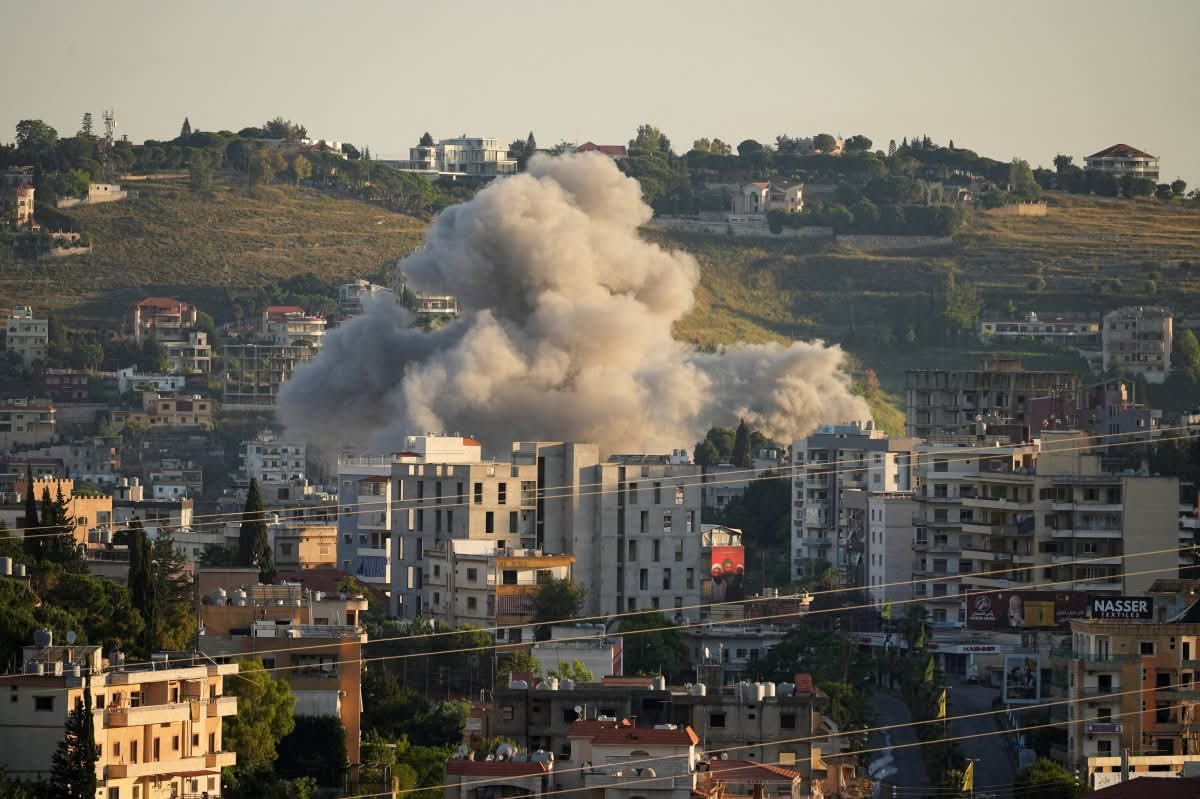
The latest developments come amid continuing instability along Lebanon’s southern frontier. The border region has witnessed repeated exchanges of fire and military activity in recent months, raising concerns about the possibility of broader regional escalation. International organizations and several governments have called for restraint and renewed diplomatic efforts to prevent further violence.
Despite the difficult circumstances at home, the Lebanese Army Chief’s visit to Pakistan is being viewed as an important diplomatic and military engagement. Analysts believe the trip reflects Lebanon’s desire to strengthen partnerships with countries that have long supported military capacity-building and professional development within the Lebanese Armed Forces.
Pakistan and Lebanon have maintained cordial relations for decades, cooperating in areas ranging from diplomacy and education to defense and peacekeeping. Military-to-military ties have remained an important component of the relationship, with Lebanese officers participating in training programs at Pakistani military institutions and both countries sharing experiences in security management and counterterrorism operations.
Regional experts note that defense diplomacy often continues even during periods of crisis, as governments seek to preserve strategic partnerships and coordinate on shared security concerns. The current visit is expected to provide an opportunity for both sides to exchange views on developments in the Middle East, regional stability, and the evolving security landscape.
Meanwhile, preparations for the funerals of the fallen Lebanese soldiers continue across the country. National flags are expected to be lowered in several locations, while memorial ceremonies will honor the sacrifices made by military personnel serving in challenging and often dangerous conditions. Public expressions of solidarity have emerged from various sectors of Lebanese society, reflecting the deep respect traditionally accorded to members of the armed forces.
Observers believe that the dual developments—the Lebanese Army Chief’s diplomatic mission to Pakistan and the nation’s mourning for fallen soldiers—underscore the complex realities facing Lebanon today. While the country seeks to strengthen international partnerships and maintain military readiness, it must also confront ongoing security challenges and the human cost of regional conflict.
As the visit proceeds and funeral ceremonies take place, both events are likely to remain in focus for policymakers and observers across the region. Together, they highlight themes of military cooperation, national resilience, and the continuing search for stability in a region marked by uncertainty and geopolitical tensions.
About the Creator
shaoor afridi
“I am a passionate writer dedicated to sharing informative, engaging, and well-researched articles. My goal is to provide valuable content that educates, inspires, and adds real value to readers.”
Enjoyed the story? Support the Creator.
Subscribe for free to receive all their stories in your feed.
Comments
There are no comments for this story
Be the first to respond and start the conversation.