Latest Stories
Most recently published stories in Earth.
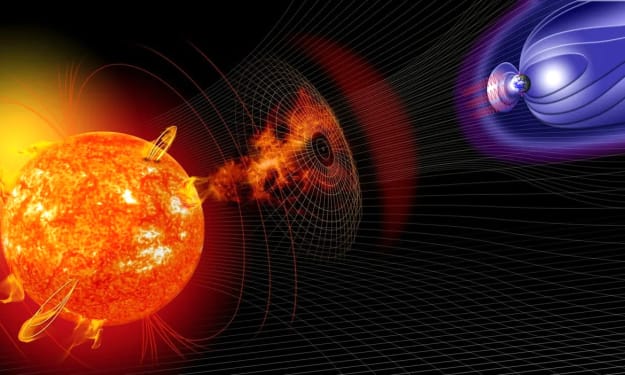
Are We Not Alone Anymore? The James Webb Telescope has detected possible signs of life on the distant exoplanet K2-18b.
Overview Humanity has pondered if we are genuinely alone in the universe for aeons as it gazes up at the night sky. Perhaps the largest step towards an answer to that issue has been taken.
By Kobir Hossainabout a year ago in Earth
Modern World
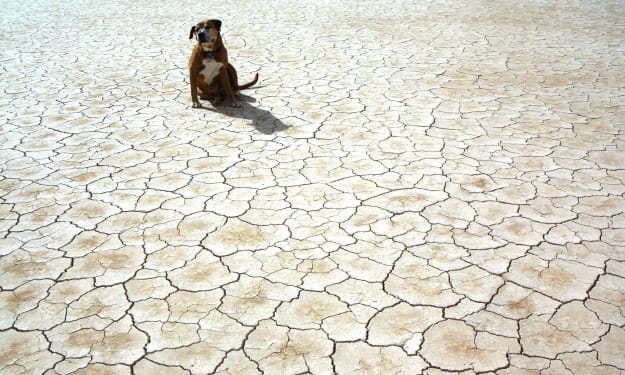
A Landscape of Transformation and Tension The modern world stands as a complex tapestry woven with rapid technological progress, shifting social norms, economic disparities, environmental uncertainty, and geopolitical recalibrations. In the 21st century, global society traverses a paradoxical terrain marked by unprecedented innovation and persistent injustices, connectedness and conflict, opportunity and risk. From digital revolutions to climate change, modern humanity faces the dual challenge of managing transformation while preserving fundamental values and social stability. Innovation in Technology and Digital Transformation Technology defines the modern era. The proliferation of smartphones, high-speed internet, artificial intelligence (AI), and automation has reshaped how people live, work, learn, and interact. People can now form communities across cultures and continents thanks to instantaneous and borderless communication. Social media platforms influence political discourse, cultural trends, and economic decisions at a scale once unimaginable. Tools in the healthcare industry, including personal assistants and diagnostic systems, are now powered by artificial intelligence. In fields like finance, logistics, and cybersecurity, AI models manage vast amounts of data with increasing precision. Robotics and automation are altering the labor market, replacing repetitive tasks while demanding new skillsets. Biotechnology and quantum computing both offer breakthroughs that have the potential to reshape the fields of materials science, energy, medicine, and the environment. However, the digital age also brings challenges. Data privacy, surveillance, cybercrime, and misinformation raise ethical and legal dilemmas. AI bias, algorithmic control, and the concentration of tech power in a handful of corporations create concerns over equity and democratic accountability. While innovation accelerates, many regions struggle with limited access to digital infrastructure, deepening the global digital divide. Globalization and Economic Inequality The modern world is economically interconnected. Global trade networks span continents, multinational corporations operate across jurisdictions, and financial markets respond in real-time to political events. Globalization has expanded access to goods, services, and knowledge, lifting millions out of poverty and fueling growth in emerging economies. Globalization, however, also reveals systemic imbalances. While wages for the working and middle classes remain stagnant in many nations, elite wealth is becoming increasingly concentrated. Outsourcing and automation have hollowed out traditional industries in developed nations, contributing to unemployment and social dislocation. Economic inequality persists both within and between countries, fueling resentment and political polarization. Modern economies must grapple with inflation, debt, and fragile supply chains. The COVID-19 pandemic, for instance, revealed vulnerabilities in global systems—highlighting how interdependence, while efficient, can also be brittle. As governments confront new fiscal and labor realities, debates over taxation, regulation, and the role of the state continue to intensify. Stress in the Environment and Climate Change Climate change represents one of the most urgent challenges of the modern era. Rising temperatures, extreme weather events, melting polar ice, and sea-level rise threaten ecosystems, economies, and human settlements. Deforestation, pollution, and the loss of biodiversity put additional strain on natural systems already under pressure from consumption and industrialization. Governments and organizations have committed to reducing carbon emissions and transitioning to renewable energy. Wind, solar, hydroelectric, and emerging technologies like green hydrogen hold promise. However, progress is still uneven. Fossil fuels still dominate energy production, and developing nations often lack resources to shift rapidly toward sustainability.
By Nabir Mondolabout a year ago in Earth
Ocean Pollution: A Growing Global Crisis. AI-Generated.
Ocean pollution is one of the most pressing environmental issues facing our planet today. Covering more than 70% of the Earth’s surface, oceans play a vital role in regulating the climate, supporting marine life, and sustaining human livelihoods. However, the increasing levels of pollution in oceans threaten their health and, in turn, the health of our planet.
By JAMES HERLYabout a year ago in Earth
Global Price Increases: Recognizing the Global Cost Increase.
Millions of households and businesses have been impacted by an unprecedented rise in prices across a variety of industries over the past few years. From basic necessities like food and fuel to services and housing, inflation has tightened its grip on global economies, sparking concerns and debates about its causes and long-term consequences.
By Naeem Ahmedabout a year ago in Earth
US ready to abandon Ukraine peace deal if there is no progress, says Marco Rubio
US Ready to Abandon Ukraine Peace Deal If There Is No Progress, Says Marco Rubio Washington, D.C., April 18, 2025 — The United States is prepared to walk away from current peace efforts in Ukraine if meaningful progress is not made soon, Senator Marco Rubio warned on Thursday. His comments mark a sharp shift in tone from the Biden administration’s ongoing diplomatic stance and could signal growing frustration within Washington over the stalemate in negotiations.
By Kindless Exeabout a year ago in Earth
The Benefits of Birdwatching: 4 Reasons It’s More Than a Hobby
When mentioning birdwatching, people often think of crazy fanatics who keep hundreds of sightings journals and travel the world for the rarest of species. But what if I told you it's not just simply an obsession? There's a grey area where the casual and hardcore bird enthusiasts have more in common than meets the eye. Whether it's forging new meaningful relationships or expanding our own knowledge about life itself, nature provides many benefits to the human experience. Here's the top four biggest reasons why birdwatching isn't only a hobby, but potentially a life-changing opportunity to improve mental health. It’s sure to get you into a flap!
By The Observant Maskabout a year ago in Earth
Shocking Spherules on Mars:. Content Warning. AI-Generated.
In a fascinating new development in the ongoing Martian exploration, NASA's Perseverance rover has found an odd rock formation that is both exciting and perplexing scientists. Scientists have now dubbed the rover's discovery "shocking spherules," which are tiny, spherical mineral formations that have never been seen before and are lodged in a Martian rock.
By Afnan Khan Turasabout a year ago in Earth
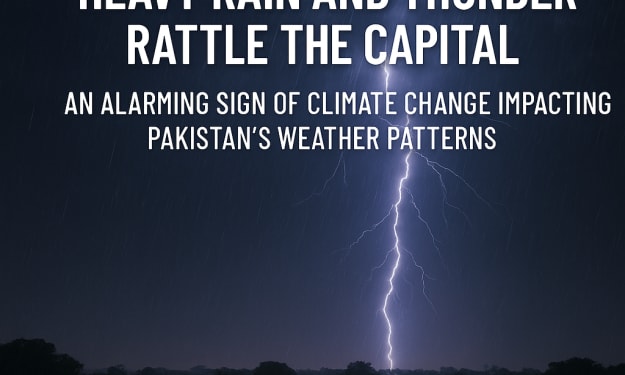
"Storm Strikes Islamabad: Heavy Rain and Thunder Rattle the Capital"
Storm Strikes Islamabad: Heavy Rain and Thunder Rattle the Capital Power outages, traffic jams, and flooding reported across various sectors after the unexpected weather event. Islamabad, April 17 — The federal capital was gripped by chaos and disruption on Wednesday night as a sudden and intense thunderstorm rolled across the city. Accompanied by torrential rain, strong winds, and frequent lightning strikes, the storm caught many citizens off guard, exposing gaps in urban preparedness and raising concerns about climate unpredictability in the region. The storm began around 9:30 PM with distant rumbles that quickly escalated into deafening thunder and bright flashes of lightning illuminating the night sky. Within minutes, heavy rain began pouring down, lashing rooftops, flooding streets, and knocking down trees and power lines in several neighborhoods. Residents from sectors F-6, G-10, I-8, and parts of Bahria Town reported prolonged power outages, while major roads like Srinagar Highway and Islamabad Expressway experienced massive traffic slowdowns due to poor visibility and waterlogging. A City Unprepared Despite previous weather forecasts hinting at a possible light rain, the scale and intensity of the storm surprised both citizens and local authorities. Islamabad’s usually serene environment turned into a scene of distress as vehicles stalled in knee-deep water and emergency services scrambled to respond to calls from affected areas. "I was driving home from Blue Area when the rain hit," said Saad Ali, a 32-year-old resident of G-11. "Within ten minutes, the roads were flooded. My car got stuck and I had to push it to the side. There was no traffic police, no help — just chaos." Many parts of the city reported flooding in basements, especially in older buildings lacking proper drainage systems. Social media was flooded with images and videos showing water gushing through residential areas, fallen trees blocking roads, and lightning bolts lighting up the skyline. Infrastructure Under Strain The storm laid bare Islamabad’s vulnerabilities, particularly its outdated drainage systems and fragile electricity infrastructure. WAPDA officials stated that several grid stations tripped due to lightning and moisture, leading to blackouts in multiple sectors. Restoration efforts continued late into the night and resumed the following morning. "The problem is not just the rain; it's our infrastructure that cannot cope with even short bursts of heavy weather," said urban planning expert Dr. Shahid Mehmood. "Islamabad is expanding rapidly, but our systems remain decades behind." Authorities from the Capital Development Authority (CDA) acknowledged the damage and began clean-up operations early Thursday morning. However, many residents expressed frustration over the lack of timely response. Climate Patterns Changing? While rainstorms are not uncommon in Islamabad, the recent event signals an alarming trend — the growing frequency and intensity of extreme weather events in the region. Meteorologists have pointed to shifting climate patterns that are causing sudden and more violent weather shifts across Pakistan. "This is part of a larger global pattern of climate change," said Met Office spokesperson Anam Tariq. "We’re seeing more intense storms, less predictability, and rainfall occurring in short, destructive bursts rather than over steady periods." Environmental experts are calling for greater investment in resilient urban infrastructure, especially as the monsoon season approaches. Without adequate planning and community awareness, such storms could result in even more severe consequences. Human Impact Beyond infrastructure and inconvenience, the storm had a real human cost. Emergency services reported at least 11 injuries across the city, including two children who were hit by falling debris. Fortunately, no fatalities were reported as of Thursday morning, but several families were displaced due to flooding in low-lying areas. In hospitals, a brief surge of patients suffering from minor injuries, panic attacks, and asthma-related complications was noted. The Pakistan Red Crescent Society dispatched volunteers to assist in relief efforts, distributing emergency kits in some of the worst-hit sectors. "I haven’t seen lightning like that in years," said 60-year-old Naeem Abbasi, a resident of Rawal Town. "The windows were shaking. My grandchildren were terrified. We spent the whole night in the dark." A Call for Preparedness The storm has once again highlighted the need for robust disaster preparedness, both at the individual and institutional levels. Experts recommend that residents keep emergency kits at home, avoid unnecessary travel during storm alerts, and ensure drainage around their homes is kept clear. City authorities, meanwhile, have pledged to take stronger action. CDA officials stated they will be working with NDMA (National Disaster Management Authority) and the Met Office to improve real-time alerts and create a more responsive urban emergency plan. While Islamabad recovers from the shock of this storm, the broader questions remain. Are we doing enough to prepare our cities for a changing climate? How can public infrastructure be strengthened to protect citizens from such unpredictable events? Until those questions are answered with action, the residents of Islamabad — like those in many rapidly growing urban centers — will remain vulnerable to the next sudden strike of nature. "Storm Strikes Islamabad: Heavy Rain and Thunder Rattle the Capital" An Alarming Sign of Climate Change Impacting Pakistan’s Weather Patterns
By Faiq Ahmadabout a year ago in Earth