Latest Stories
Most recently published stories in Earth.
India's Diversity in 4
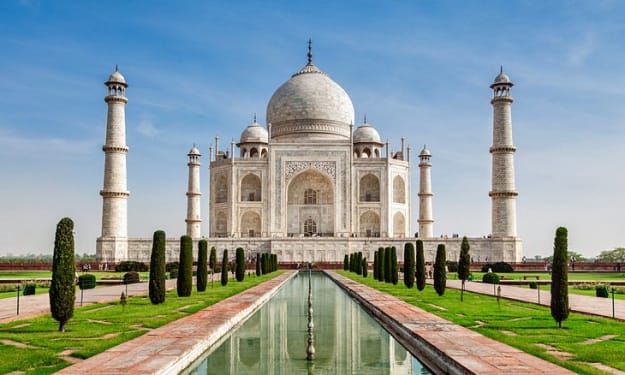
*Exploring the Wonders of India* India is a country located in South Asia and is the second most populous country in the world with a population of over 1.3 billion people. India has a rich history and culture that dates back thousands of years, and it is often referred to as the land of diversity, as it is home to a wide range of religions, languages, and cultures. Geographically, India is bordered by Pakistan to the west, China, Nepal, and Bhutan to the northeast, Myanmar to the east, and Bangladesh to the east of West Bengal. The Indian Ocean lies to the south of the country. The country's topography is quite diverse, ranging from the Himalayan mountains in the north to the deserts of Rajasthan in the west and the tropical forests in the south. The country is also home to several major rivers such as the Ganges, Brahmaputra, and Yamuna. India has a rich history that spans several millennia, and the country has been home to some of the most significant civilizations in the world. The Indus Valley Civilization, which dates back to around 2500 BCE, was one of the earliest civilizations in the world. The civilization was centered around the Indus River in what is now Pakistan and the western states of India. The civilization was known for its advanced urban planning, sophisticated architecture, and complex social structure.In the centuries that followed, India was home to several other significant empires, including the Mauryan Empire, the Gupta Empire, and the Mughal Empire. The Mughal Empire, in particular, is known for its great architectural achievements, including the Taj Mahal, one of the most famous landmarks in India and a UNESCO World Heritage site. India's struggle for independence from British rule is another significant event in the country's history. The Indian independence movement, led by Mahatma Gandhi, eventually led to India's independence in 1947, and the country became a republic in 1950. India is a diverse country, both culturally and linguistically. The country has over 22 official languages, with Hindi and English being the most widely spoken. India is also home to a wide range of religions, including Hinduism, Islam, Christianity, Sikhism, Buddhism, and Jainism, among others. The country's diversity is reflected in its rich cuisine, with each region having its unique food and cooking styles.India is also known for its rich art and literature. Indian literature dates back thousands of years and includes epic poems like the Ramayana and the Mahabharata. India is also known for its contributions to mathematics and science, with scholars like Aryabhata and Srinivasa Ramanujan making significant contributions to the field. India is a developing country, and it is currently one of the fastest-growing economies in the world. The country has a diverse economy, with agriculture, manufacturing, and services being the primary sectors. India is also home to several multinational corporations and is a major player in the global IT and software industry. India has made significant progress in recent years in improving its infrastructure, education system, and healthcare facilities. The country has also made significant strides in reducing poverty, with the poverty rate dropping from 55% in 1970 to 28% in 2000. However, the country still faces significant challenges, including inequality, corruption, and environmental issues.India is also known for its vibrant and colorful festivals, including Diwali, Holi, and Eid, among others. These festivals are celebrated with great enthusiasm across the country and are an excellent opportunity for visitors to experience Indian culture firsthand. In conclusion, India is a vast and diverse country with a rich history and culture. The country's diversity is reflected in its languages, religions, cuisine, and traditions, making it a fascinating place to visit.
By DINESH KUMAR.C3 years ago in Earth
Nature
Nature is a term that encompasses everything that is natural, from the smallest living organism to the largest mountain range. It includes all the living and non-living things that exist in our world, from the air we breathe to the water we drink, from the plants that grow in our gardens to the animals that roam the forests. Nature is an integral part of our lives, and we must learn to respect and cherish it for its beauty and importance.
By Asim Pervez3 years ago in Earth
Amazing Facts About Pakistan
Pakistan, officially known as the Islamic Republic of Pakistan, is a country located in South Asia. With a population of over 220 million people, it is the fifth most populous country in the world. Pakistan is a country of contrasts with a rich cultural heritage and a diverse landscape. Here are some amazing facts about Pakistan.
By Muhammad Mughal3 years ago in Earth
Little Rock Tornado: Rebuilding a Community
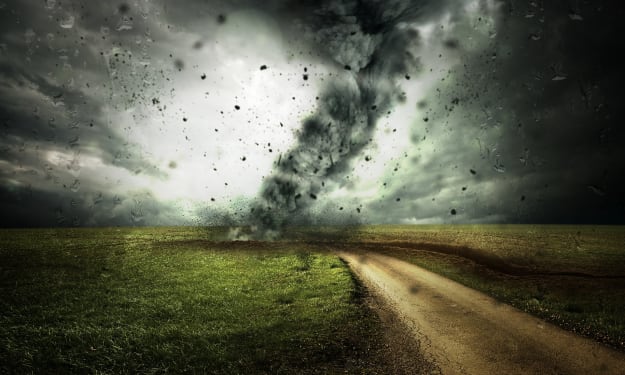
Little Rock Tornado: The Aftermath of Nature's Fury On March 19, 2023, a powerful tornado touched down in Little Rock, Arkansas, leaving a trail of destruction in its wake. The tornado, with a wind speed of up to 200 mph, ripped through the city, causing severe damage to homes, businesses, and public infrastructure. The disaster left the community reeling and struggling to recover. In this article, we will take a closer look at the impact of the Little Rock tornado and the steps taken to rebuild and recover.
By Stateside Chronicles3 years ago in Earth
China's Culture and Society.
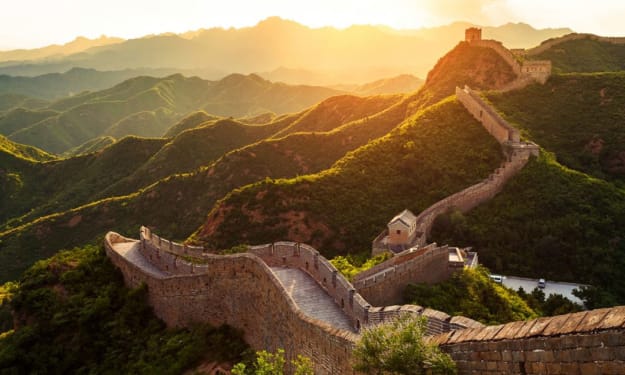
"Introduction to China: Its People, Politics, and Culture" China is a country located in East Asia, with a population of over 1.4 billion people, making it the world's most populous country. It has a rich history and culture that spans over 5,000 years, and is known for its unique traditions, customs, and beliefs. China is a communist state, with the Communist Party of China (CPC) as the ruling political party. The country has a centralized government system with the President as the head of state and the Premier as the head of government. The government has been focusing on economic growth, leading to China's rise as the world's second-largest economy. The country is known for its technological advancements and is a leader in the production of consumer electronics, renewable energy, and artificial intelligence. The Chinese economy is also heavily dependent on manufacturing, with exports being a significant contributor to the country's GDP. China's society is characterized by its Confucian values, which emphasize respect for authority, family, and education. The country has a high literacy rate and a strong emphasis on education, leading to a highly skilled workforce. China is a vast country, with a diverse range of landscapes, including mountains, deserts, and grasslands. It is also home to several of the world's longest rivers, including the Yangtze and the Yellow River. The country's climate varies widely, from tropical in the south to subarctic in the north.The Chinese language is the most widely spoken language in the world, with over 1 billion speakers. It is a tonal language, which means that the meaning of a word can change depending on the tone used. Mandarin is the official language of China, but there are several other dialects spoken throughout the country. China is also known for its rich cultural heritage, including its cuisine, art, music, and literature. Chinese cuisine is diverse, with different regions having their own unique styles of cooking. Chinese art is also diverse, ranging from traditional calligraphy and painting to modern sculpture and photography.The country has a strong tradition of martial arts, with practices like Tai Chi and Kung Fu being popular worldwide. Chinese literature is also rich and varied, with classic works like "Journey to the West" and "Dream of the Red Chamber" being widely read. China has a long history of political and social upheaval, including periods of conflict and revolution. The country's recent history has been marked by economic reform and modernization, which has brought prosperity to many Chinese citizens.However, China's human rights record has been a subject of controversy, with concerns over censorship, freedom of speech, and treatment of ethnic minorities. The country has also been criticized for its actions in Hong Kong and Taiwan. China has a significant impact on the global economy and politics, and its relations with other countries are closely watched. The country has been increasing its presence in international organizations, and its Belt and Road Initiative aims to increase infrastructure investment and connectivity between Asia, Europe, and Africa.China is home to a diverse population with many ethnic groups, including the majority Han Chinese and several minority groups such as Tibetans, Mongols, Uyghurs, and Hui people. The country has a complex relationship with its minority groups, and there have been instances of tensions and conflicts between the Han majority and minority groups. China has made significant progress in environmental protection, including investments in renewable energy and efforts to reduce air and water pollution. The country is a major contributor to global greenhouse gas emissions, but has taken steps to address this issue, including setting targets for carbon neutrality.The Chinese government has invested heavily in infrastructure, including the construction of high-speed rail lines, modern airports, and massive urban development projects. This has helped to fuel the country's economic growth, but has also led to concerns over debt levels and environmental impacts. China has a unique approach to governance, with a system of social credit scores that tracks and evaluates citizens' behavior in areas like financial responsibility and social conduct. This system has been criticized for its potential to limit individual freedoms and for its potential to be abused by the government
By DINESH KUMAR.C3 years ago in Earth
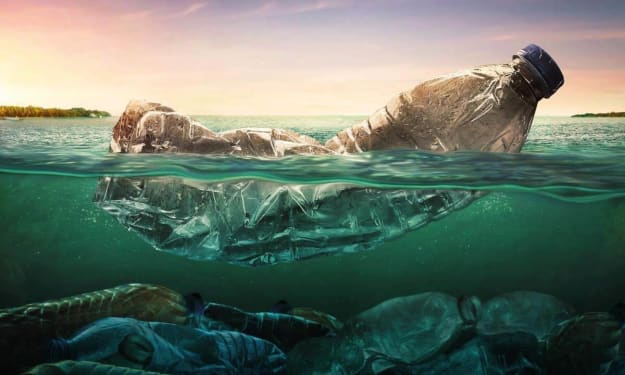
The Devastating Impact of Plastic Industry on Our Planet
The plastic industry has rapidly grown in the last few decades, revolutionizing our daily lives with its convenience and durability. However, this growth has come at a significant cost to our planet, as plastic waste continues to accumulate in our oceans, landfills, and even our food chain. The devastating impact of the plastic industry on our planet is becoming increasingly clear, and urgent action is needed to address this global crisis.
By Muhammad Sarib Ali3 years ago in Earth
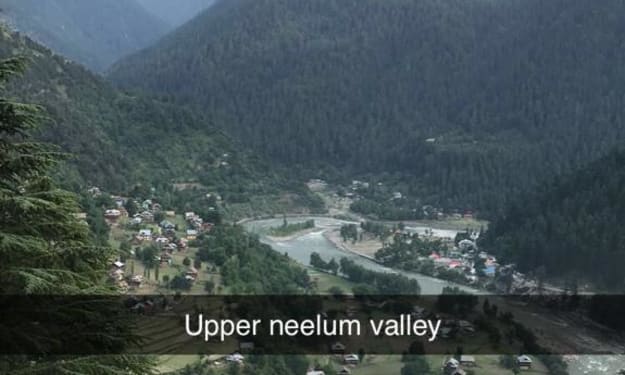
Hills of pakistan
Pakistan is home to some of the most stunning and breathtakingly beautiful hills in the world. The country is blessed with a diverse topography that ranges from the towering Himalayas in the north to the lush green hills of the Punjab province in the south. The country's hills are a paradise for nature lovers, hikers, trekkers, and adventure seekers. In this blog, we will explore some of the most famous hills of Pakistan.
By Shahzaib Sohail 3 years ago in Earth
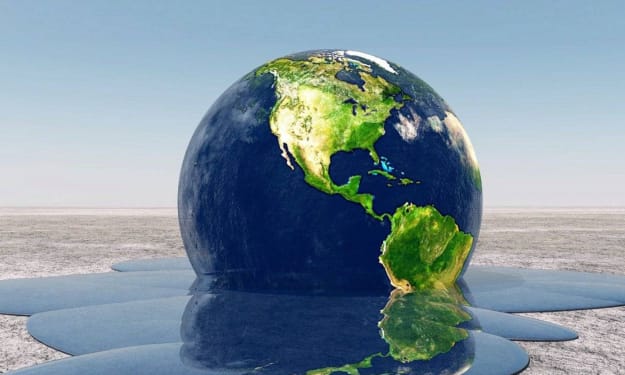
Climate Change
Climate Change: The Impact of Rising Temperatures, Melting Glaciers and Sea Level Rise on Human Life In recent years, climate change has become one of the most pressing issues facing humanity. The scientific research on this topic has shown that the earth's climate is changing at an unprecedented rate, and human activity is largely responsible for this change. The effects of climate change are being felt around the world, and they are having a significant impact on human life.
By İlyas Efe Kocar3 years ago in Earth
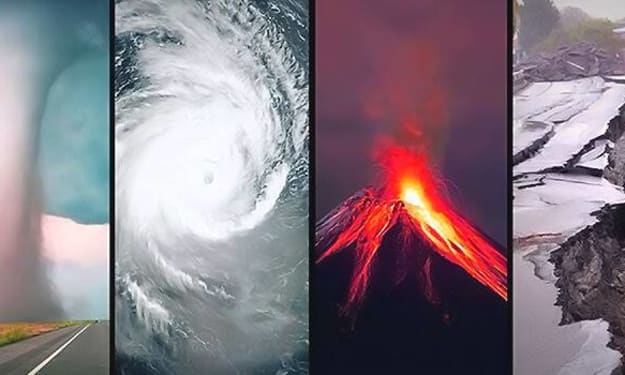
The Impacts of Changing Weather Patterns: Challenges and Opportunities
The weather is one of the most unpredictable and dynamic aspects of our natural world. Over the years, we have seen how changing weather patterns have impacted the environment, the economy, and our daily lives. From extreme heatwaves to record-breaking snowstorms, the weather can often be a source of wonder, but also of destruction.
By Amazing Article3 years ago in Earth