
Langtang Valley Trek: An Enchanting Himalayan Journey
Overview
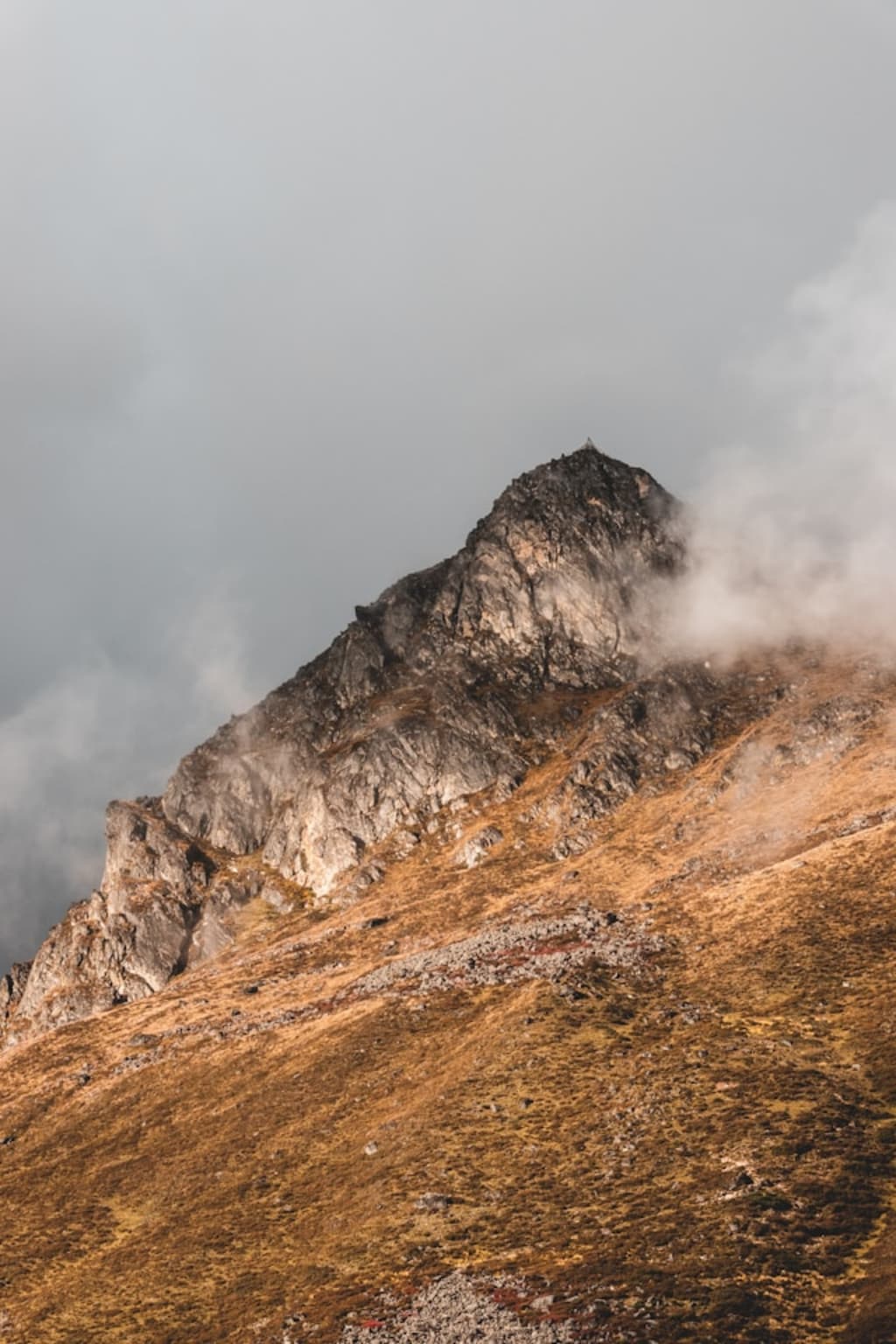
One of Nepal's undiscovered treasures is the Langtang Valley Trek, which provides a tranquil getaway into the breathtaking Langtang region, which is located just north of Kathmandu. This walk is well known for its rich cultural tapestry, breathtaking natural beauty, and ease of accessibility. Trekkers can immerse themselves in traditional Tamang and Sherpa cultures, observe the biodiversity of Langtang National Park, and take in breath-taking views of snow-capped peaks. Langtang offers a more intimate experience with the Himalayas than popular routes like Everest or Annapurna because it is less crowded.
An outline of the journey
The journey begins with a picturesque drive from Kathmandu to Syabrubesi, then continues through rhododendron forests, into Langtang National Park, and up into the valley where the scenery changes from lush to alpine. Along the way, you pass through traditional settlements like Kyanjin Gompa, Langtang Village, and Lama Hotel, each of which offers fascinating cultural insights and breathtaking views of the region's highest mountain, Langtang Lirung (7,227m). For sweeping views of the Himalayas or to see the revered Gosaikunda Lakes.
Important Points
Before the 2015 earthquake, Langtang Village was a thriving community. Now, it is recovering and providing insights into local life and the community's resilience.
Explore the surrounding area, which includes a historic gompa and chorten, and savor local cheese at Kyanjin Gompa, a tiny monastery and cheese factory.
Trekkers who choose to hike Tserko Ri, an optional day trip from Kyanjin Gompa, will be rewarded with 360-degree vistas of the Langtang range, which includes Ganchenpo, Dorje Lakpa, and Langtang Lirung.
Langtang National Park: Well-known for its biodiversity, the hike provides opportunities to see a variety of birds, the Himalayan black bear, and the red panda, particularly if side trips are done.
Cultural Immersion: Through festivals, regional cuisine, and traditional architecture, interactions with the Tamang and Sherpa communities—whose culture is closely linked to Tibetan Buddhism—offer a rich cultural experience.
Gosaikunda Lakes: Both Hindus and Buddhists regard these holy lakes, which offer both spiritual value and breathtaking scenery, as the destination for an extended trip.
Difficulties and Planning
Altitude: Although not as high as some climbs, acclimatization is still required to reduce the risks of AMS, with elevations of up to 4,984 meters at Tserko Ri and 3,870 meters at Kyanjin Gompa.
Physical Fitness: Due to the varied terrain, the journey is regarded as moderate. Being physically healthy is crucial, particularly for those traveling to Gosaikunda or Tserko Ri.
Weather: For stable conditions, the best seasons to trek are spring (March–May) and fall (September–November). But even during these times, the weather might change suddenly.
Gear: Due to the modest lodgings, essentials include waterproof gear, sturdy trekking boots, warm clothing, and a suitable sleeping bag. Personal comfort items are also necessary.
Itinerary and Duration
With the following typical route, the trek can be finished in roughly 7 to 10 days:
Day 1: Travel to Syabrubesi by car from Kathmandu.
Trek to the Lama Hotel on Day 2.
Day 3: Proceed to the village of Langtang.
Day 4: With time to acclimate, trek to Kyanjin Gompa.
Day 5: Return to Kyanjin Gompa after taking a day off or hiking to Tserko Ri for views.
Day 6: Make your way back to the Lama Hotel.
Day 7: Return to Syabrubesi via trekking.
Day 8: Return to Kathmandu by car.
Days 9–10: Gosaikunda Lakes extension or buffer days.
In conclusion
The Langtang Valley Trek combines the excitement of trekking in the Himalayas with the friendliness of the local people. Every step of the journey tells a story about the majesty of nature, the tenacity of people, and the richness of culture. Langtang provides a meaningful and intimate experience, regardless of your reasons for visiting, such as the attraction of the mountains, the possibility of seeing wildlife, or the wish to experience a different way of life. It is evidence of the splendor of discovery in one of the most captivating valleys in Nepal.
About the Creator
Enjoyed the story? Support the Creator.
Subscribe for free to receive all their stories in your feed.
Comments
There are no comments for this story
Be the first to respond and start the conversation.