
Langtang Gosaikunda Trek
A Journey Through Nepal’s Pristine Wilderness

Langtang Gosaikunda Trek stands out as a perfect blend of culture, wilderness, and breathtaking views. Whether you're a seasoned trekker or a novice, this trek offers an experience that can’t be found anywhere else. In this blog, we will explore the highlights, the journey, and why the Langtang Gosaikunda Trek is one of the best treks in Nepal.
The Region: Langtang and Gosaikunda
The Langtang Gosaikunda Trek takes trekkers through two distinct and awe-inspiring regions: Langtang Valley and Gosaikunda Lake. Both are located within Langtang National Park, the first national park established in Nepal in 1976. The trek offers a unique opportunity to experience a blend of cultural diversity, natural beauty, and spiritual significance.
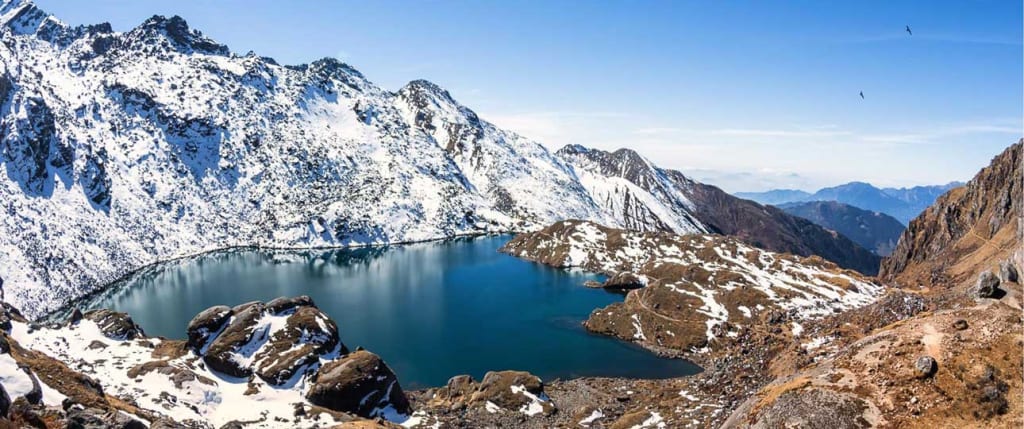
Langtang Valley, often called the “Valley of Glaciers,” is a high-altitude trek that takes you through beautiful alpine meadows, dense forests, and rugged terrain. The valley is surrounded by snow-capped peaks, including Langtang Lirung (7,227 meters), one of the most stunning mountains in the area. The trek continues to the Gosaikunda Lake, a sacred pilgrimage site for Hindus and Buddhists alike. The lake sits at an altitude of 4,380 meters and is surrounded by beautiful mountain peaks, including Manaslu, Ganesh Himal, and Langtang Lirung.
The Journey: What to Expect
The Langtang Gosaikunda Trek is a moderate to difficult trek, depending on your fitness level and experience. The trek typically takes about 10-12 days, though it can vary depending on your pace and how long you spend at each stop. Here's a breakdown of the journey and what trekkers can expect:
Day 1: Arrival in Kathmandu
Your adventure begins in Kathmandu, the bustling capital of Nepal. Upon arrival, you’ll meet your guide and fellow trekkers, and spend the day exploring the city. Kathmandu has an incredible mix of ancient temples, markets, and vibrant culture, making it the perfect introduction to Nepal.
Day 2: Drive from Kathmandu to Syabrubesi
After breakfast, you’ll begin your journey by driving to Syabrubesi, the starting point of the trek. The drive takes around 7-9 hours, and you will pass through scenic villages, terraced fields, and rivers along the way. The views of the Himalayan foothills along the route are a preview of the beautiful scenery to come.
Day 3: Trek to Lama Hotel
From Syabrubesi, the trek begins as you make your way to Lama Hotel (2,470 meters). The trail passes through dense rhododendron and oak forests, with occasional glimpses of snow-capped peaks like Langtang Lirung. The walk is moderate in difficulty, and you will cross several suspension bridges before reaching your destination.
Day 4: Trek to Langtang Village
The next day, you’ll trek to Langtang Village (3,430 meters), a beautiful settlement that was partially destroyed during the 2015 earthquake but has since been rebuilt. Langtang Village is a cultural hub where you can interact with the local Tamang people, who are known for their warm hospitality. Along the way, you’ll enjoy more stunning views of the Langtang Lirung and other surrounding peaks.
Day 5: Trek to Kyanjin Gompa
On day five, the trail continues to Kyanjin Gompa (3,870 meters), the final stop in the Langtang Valley. This monastery is an important cultural and religious site, and the area surrounding it offers panoramic views of the mountains. You can also visit the nearby Tsergo Ri (4,984 meters), a peak that provides one of the best viewpoints in the Langtang region. The trek is more challenging here, but the views make it all worth it.
Day 6: Trek to Gosaikunda Lake
After descending back to the valley floor, you will make your way towards Gosaikunda Lake. This section of the trek involves a steep ascent, and it’s important to be prepared for the higher altitude. As you approach the lake, the landscape begins to change, with rocky terrain and alpine meadows becoming more common. Upon reaching Gosaikunda, you will be treated to awe-inspiring views of the sacred lake surrounded by towering peaks.
Day 7: Explore Gosaikunda Lake
Spend the day exploring the Gosaikunda Lake and the surrounding area. The lake is sacred to Hindus, and many pilgrims visit it during the full moon in August. You can also hike to nearby viewpoints to get an even better view of the region’s stunning mountains, such as Manaslu and Langtang Lirung.
Day 8: Trek to Sing Gompa
After leaving Gosaikunda, you will descend to Sing Gompa (3,330 meters), passing through forested trails and enjoying the stunning landscapes along the way. Sing Gompa is another beautiful monastery and a great place to relax after several days of trekking.
Day 9: Trek Back to Dhunche
The final day of the trek involves a descent back to Dhunche (1,950 meters), where you will catch a jeep or bus back to Kathmandu. The descent is much easier than the previous days, but still provides an opportunity to soak in the stunning views.
The Highlights of Langtang Gosaikunda Trek
The Langtang Gosaikunda Trek is filled with stunning natural beauty, and there are many reasons why trekkers fall in love with this journey:
1. Scenic Views: The trek offers breathtaking views of some of the most stunning peaks in Nepal, including Langtang Lirung, Manaslu, Ganesh Himal, and more.
2. Cultural Experience: You’ll pass through several Tamang and Sherpa villages, where you can experience the unique culture and traditions of these mountain communities.
3. Sacred Gosaikunda Lake: The highlight of the trek is undoubtedly Gosaikunda Lake, a sacred site for Hindus and Buddhists. The tranquil beauty of the lake and its surrounding mountains is unmatched.
4. Diverse Landscapes: From dense rhododendron forests to alpine meadows, the trek offers a diverse range of landscapes. The mix of natural beauty and spiritual significance creates an unforgettable experience.
Practical Tips for the Trek
• Altitude Acclimatization: The Langtang Gosaikunda Trek reaches altitudes over 4,000 meters, so altitude sickness can be a concern. It’s essential to take it slow, stay hydrated, and listen to your body. Spend a day in Langtang and Kyanjin Gompa to acclimatize properly.
• Physical Preparation: This trek requires a good level of fitness. While not as challenging as some of Nepal’s more technical treks, it still involves significant elevation gains and long days of hiking. Make sure you’re prepared for uphill climbs and extended treks.
• Weather: The weather in the Langtang Gosaikunda region can be unpredictable, especially at higher altitudes. Make sure to bring the right gear, including waterproof jackets, warm layers, and sun protection.
• Guides and Porters: Hiring a guide or porter is highly recommended. They can help navigate the trails, provide insight into the culture, and ensure your safety. Plus, porters can carry your heavy gear, allowing you to enjoy the trek without worrying about your backpack.
Final Thoughts
The Langtang Gosaikunda Trek is one of the most rewarding treks in Nepal, offering trekkers an incredible combination of natural beauty, cultural exploration, and spiritual significance. Whether you’re trekking through the majestic Langtang Valley, climbing to the sacred Gosaikunda Lake, or immersing yourself in the local culture, this trek will stay with you long after you return home. It’s an experience that should be on every trekker’s bucket list.
If you're ready to experience one of Nepal's most breathtaking and unforgettable treks, the Langtang Gosaikunda Trek could be the perfect adventure for you. Start planning your journey today!
About the Creator
Enjoyed the story? Support the Creator.
Subscribe for free to receive all their stories in your feed.
Comments
There are no comments for this story
Be the first to respond and start the conversation.