
Lake Victoria Pollution and Restoration
The pollution and environmental degradation of Lake Victoria, one of Africa's largest freshwater lakes, and initiatives aimed at restoring its health.
Introduction
Lake Victoria, often referred to as the "Jewel of East Africa," is the largest freshwater lake in Africa and a vital resource for the countries that surround it, including Kenya, Uganda, and Tanzania. The lake supports numerous ecosystems, sustains millions of livelihoods, and plays a crucial role in the region's economic development. However, Lake Victoria is facing severe pollution challenges that threaten its ecological health and the well-being of the communities that depend on it. This essay delves into the intricate issues of Lake Victoria's pollution, its causes, consequences, and the ongoing efforts towards its restoration.
I. The Importance of Lake Victoria
Lake Victoria is a source of immense importance for East Africa for several reasons:
1. Biodiversity: The lake is home to a diverse range of flora and fauna, including numerous endemic species of fish, making it a biodiversity hotspot in the region.
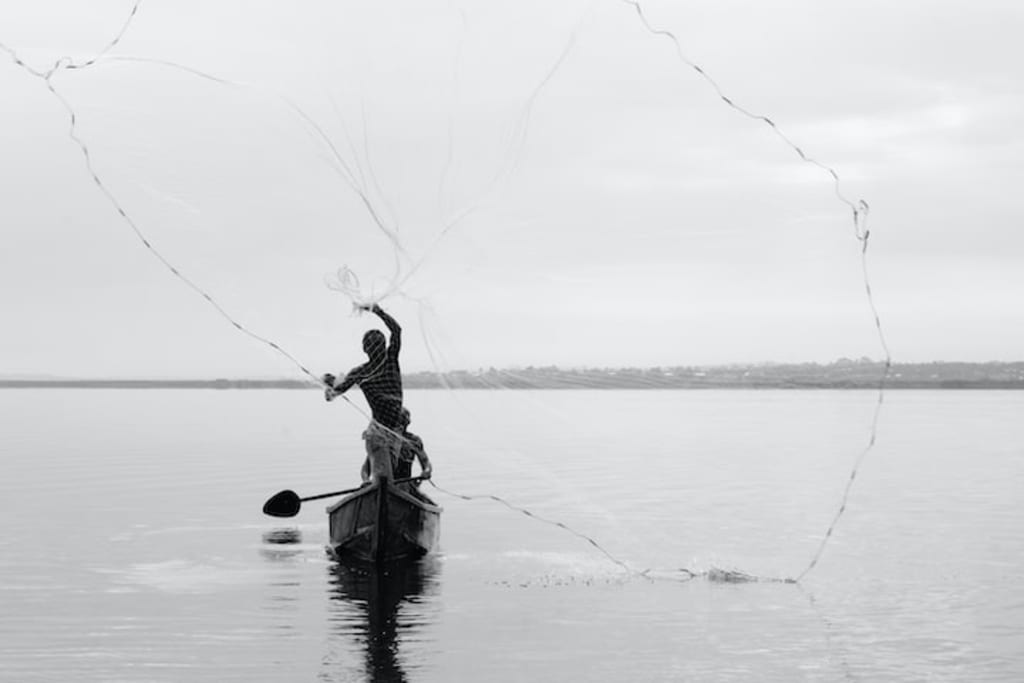
2. Fisheries: Lake Victoria's fisheries provide a vital source of protein and income for millions of people, supporting livelihoods and local economies.
3. Transportation: The lake serves as a critical transportation route for the region, facilitating trade and connectivity between the three East African countries surrounding it.
4. Agriculture: It plays a significant role in local agriculture by influencing climate patterns and providing water for irrigation.
5. Tourism: The scenic beauty of Lake Victoria and its islands also make it a tourist attraction, contributing to the economies of the surrounding regions.
II. Causes of Lake Victoria Pollution
Lake Victoria's pollution is primarily the result of a complex interplay of human activities and natural processes. Several key factors contribute to the deterioration of water quality:
1. Industrial and Agricultural Runoff: The region surrounding Lake Victoria has experienced significant urbanization, industrialization, and agricultural intensification. As a result, pollutants such as heavy metals, pesticides, and fertilizers are washed into the lake through stormwater runoff, harming aquatic life and water quality.
2. Discharge of Sewage and Wastewater: Rapid population growth around the lake has led to increased sewage and wastewater discharge into its waters, often without adequate treatment. This pollution poses serious health risks to communities and degrades water quality.
3. Invasive Species: Invasive species like the water hyacinth have proliferated in Lake Victoria, leading to ecological imbalances. These invasive species can block sunlight, reduce oxygen levels, and harm native aquatic life.
4. Overfishing: Overfishing, often driven by poverty and lack of alternative livelihoods, has depleted fish stocks and disrupted the lake's ecosystem.
5. Climate Change: Climate change has altered the lake's water temperature and hydrology, contributing to the proliferation of harmful algae blooms, which can produce toxins and harm aquatic life.
III. Consequences of Pollution
The pollution of Lake Victoria has wide-ranging and severe consequences:
1. Health Risks: Contaminated water poses health risks to communities living around the lake. Waterborne diseases like cholera and dysentery are prevalent in areas with poor water quality.
2. Economic Impact: Pollution affects the fishing industry, leading to reduced catches and income for local fishermen. Tourism also suffers as the lake's beauty is marred by pollution.
3. Ecosystem Degradation: The pollution of Lake Victoria threatens its biodiversity, with some native fish species facing extinction due to habitat degradation and competition from invasive species.
4. Food Security: Reduced fish catches and water pollution affect food security in the region, as fish is a primary source of protein for many communities.
5. Water Scarcity: Pollution can exacerbate water scarcity issues by contaminating available freshwater sources, making them unsafe for consumption.
IV. Efforts Towards Restoration
Despite the challenges, there have been significant efforts towards restoring Lake Victoria to its former glory:
1. Environmental Regulations: Governments in the region have enacted environmental regulations to control pollution sources, including industrial discharge and wastewater treatment standards.
2. Reforestation: Reforestation initiatives in the catchment areas help reduce soil erosion and prevent agricultural runoff from entering the lake.
3. Invasive Species Management: Efforts are underway to control and manage invasive species like the water hyacinth through physical removal and biological control methods.
4. Water Quality Monitoring: Ongoing water quality monitoring programs help track pollution levels and identify sources of contamination.
5. Community Engagement: Community-based initiatives educate and engage local communities in sustainable fishing practices and pollution prevention.
6. Climate Resilience: Efforts to build climate resilience include climate-smart agriculture practices and disaster preparedness planning to address the impacts of climate change.
7. International Cooperation: Collaboration between the three East African countries bordering the lake, as well as international organizations and donors, has been instrumental in restoration efforts.
8. Research and Innovation: Scientific research is ongoing to better understand the lake's dynamics and develop innovative solutions for its restoration.
V. Challenges and Future Directions
Despite the progress made, several challenges remain on the path to Lake Victoria's full restoration:
1. Enforcement of Regulations: Ensuring strict enforcement of environmental regulations, especially in rapidly developing areas, remains a challenge.
2. Poverty and Overfishing: Addressing poverty and providing alternative livelihoods for communities heavily reliant on fishing is essential to combat overfishing.
3. Infrastructure and Funding: Investments in wastewater treatment infrastructure and funding for restoration projects are necessary but often limited.
4. Climate Change Adaptation: Climate change continues to pose challenges, making it crucial to integrate climate adaptation strategies into restoration efforts.
5. Education and Awareness: Building awareness and educating communities about the importance of sustainable practices and pollution prevention is an ongoing effort.
6. International Cooperation: Maintaining cooperation among the three countries bordering the lake and international stakeholders is essential for effective restoration.
Conclusion
Lake Victoria's pollution is a multifaceted challenge that demands immediate attention and sustained efforts. It is a critical issue not only for the countries directly surrounding the lake but also for the broader East African region. While there have been commendable strides in addressing pollution and restoring the lake's health, the task is far from complete. Continued collaboration, investment in infrastructure, poverty alleviation, and education are essential components of the restoration process. With concerted efforts and a commitment to sustainable practices, there is hope that Lake Victoria can regain its status as a thriving and resilient ecosystem, benefitting both nature and the communities that depend on it.
Comments
There are no comments for this story
Be the first to respond and start the conversation.