
Kanchenjunga with a Local Guide: A Life-Changing Journey
In this article, we explore why trekking Kanchenjunga with a local guide is transformative, what you can expect along the trail, and how this journey can redefine your understanding of adventure and personal growth.

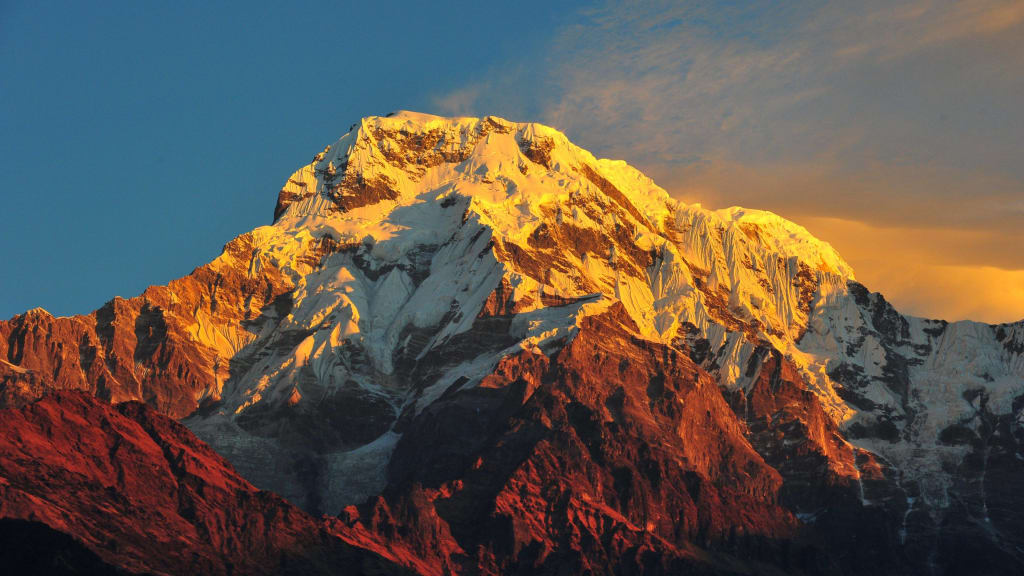
Nestled in the remote eastern Himalayas of Nepal, Kanchenjunga is the third-highest mountain in the world. Towering at 8,586 meters, it remains one of the least explored trekking destinations, offering pristine natural beauty and profound cultural experiences. Trekking to Kanchenjunga with a local guide is not only a safer and more enriching choice but also a life-changing journey that deeply connects you with the landscape, the people, and yourself.
Why Choose the Kanchenjunga Region?
The Kanchenjunga region is part of a conservation area covering more than 2,035 square kilometers. Unlike more commercialized treks like Everest Base Camp or Annapurna Circuit, Kanchenjunga is still off-the-beaten-path. You will find fewer crowds, more authentic encounters with local communities, and a deeper sense of solitude.
This remote trail offers dramatic landscapes—ranging from dense rhododendron forests and alpine meadows to glacier-fed rivers and towering peaks. Trekkers also get the chance to witness rare wildlife such as the red panda, snow leopard, and Himalayan black bear.
However, due to its remoteness, it is highly recommended to trek Kanchenjunga with a licensed local guide.
Benefits of Hiring a Local Guide for Kanchenjunga
1. Enhanced Safety and Navigation
The Kanchenjunga trail is long, challenging, and not always well-marked. It passes through remote villages, high passes, and isolated terrains. A local guide ensures you stay on track and can make critical decisions during difficult weather or health-related situations.
2. Cultural Interpretation
Kanchenjunga is home to diverse ethnic groups such as the Limbu, Rai, Sherpa, and Tibetan communities. A local guide serves as a cultural bridge, helping you interact with locals, understand their customs, and even participate in traditional rituals.
3. Supporting the Local Economy
Hiring a local guide and porter provides direct economic support to families in the region. This not only helps sustain their livelihoods but also contributes to the preservation of the local culture and environment.
4. Permit Assistance
Trekking in the Kanchenjunga region requires multiple permits including the Kanchenjunga Conservation Area Permit (KCAP) and a special restricted area permit. A licensed guide or trekking agency will help you obtain all necessary documents and ensure compliance with regulations.
The Journey: What to Expect on the Kanchenjunga Trek
The classic Kanchenjunga Circuit Trek usually takes around 20 to 24 days. It involves high altitude walking, remote trails, and visits to both the North and South Base Camps. Below is a brief overview of what this life-changing journey looks like.
Starting Point: Taplejung
Your adventure typically begins with a flight from Kathmandu to Bhadrapur, followed by a drive to Taplejung. This is the last major town before entering the remote trail.
Villages and People
As you progress, you pass through charming villages like Chiruwa, Sekathum, and Ghunsa. These settlements are home to ethnic communities with unique languages, attire, and traditions. Your guide can help translate and explain local practices, making the experience much more meaningful.
North Base Camp: Pangpema (5,143m)
The trail to Pangpema offers extraordinary views of Kanchenjunga’s North Face. You walk past ancient pine forests, high alpine zones, and glaciers. The feeling of standing below the towering summit of Kanchenjunga is surreal and humbling.
South Base Camp: Oktang (4,730m)
After reaching the North Base Camp, the trail loops back and leads to the South Base Camp. The highlight here is the panoramic view of the South Face of Kanchenjunga and its neighboring peaks, including Jannu and Yalung Kang.
Wildlife and Flora
The Kanchenjunga Conservation Area is a biodiversity hotspot. With your guide’s trained eye, you might spot elusive species like the red panda or Himalayan monal. The spring season brings vibrant rhododendron blooms across the forests.
A Journey That Changes You
Many trekkers describe the Kanchenjunga trek as life-changing—and for good reason. The long duration, the physical and mental demands, and the deep immersion in a culturally rich but isolated region offer a rare opportunity for self-reflection.
You disconnect from the modern world and tune in to the rhythm of the mountains. The journey teaches patience, resilience, and a profound respect for nature. Sharing stories with your guide and learning about his life in the mountains adds another dimension to the adventure.
This is not just a trek. It is a pilgrimage into the raw heart of the Himalayas and into your own depths.
When to Go
The best seasons to trek Kanchenjunga are spring (March to May) and autumn (September to November). These months offer stable weather, clear mountain views, and favorable trail conditions.
Avoid trekking during the monsoon (June to August) due to heavy rainfall, landslides, and leeches. Winter (December to February) can be extremely cold, especially at higher elevations.
Packing Essentials for the Kanchenjunga Trek
Since the trek is remote and services are limited, you should be well-prepared. Your guide can assist with packing suggestions, but essentials include:
• Proper trekking boots
• Layered clothing (thermal, fleece, down jacket)
• Sleeping bag rated to at least -15°C
• Water purification tablets or filter
• First-aid kit and personal medications
• Snacks and energy bars
• Portable charger or solar power bank
Your guide will also carry a basic medical kit and help arrange food and accommodation along the way.
Choosing the Right Local Guide or Agency
Make sure your guide is licensed by the Nepal Tourism Board or associated with a registered trekking agency. Ask for recommendations, check reviews, and communicate clearly about itinerary, costs, and expectations.
Opt for agencies that prioritize ethical trekking practices, fair wages, and environmental sustainability.
Conclusion: Let the Mountains Transform You
Trekking to Kanchenjunga with a local guide is not just about reaching a destination. It is about the people you meet, the challenges you overcome, and the stories you take home. The Kanchenjunga region remains one of the last authentic wilderness experiences in the Himalayas, and traveling with a local guide only amplifies its richness.
Whether you are a seasoned trekker or a determined adventurer, this journey will leave a lasting impact on your soul. It will teach you humility, courage, and connection—both with the Earth and within yourself.
Embrace the unknown. Let Kanchenjunga change you.
About the Creator
Enjoyed the story? Support the Creator.
Subscribe for free to receive all their stories in your feed.
Comments
There are no comments for this story
Be the first to respond and start the conversation.