
Kanchenjunga Trek: What I Packed, What I Learned, and What I’d Do Differently
Kanchenjunga requires balance—you must bring enough to stay safe and comfortable in extreme environments while minimizing weight.

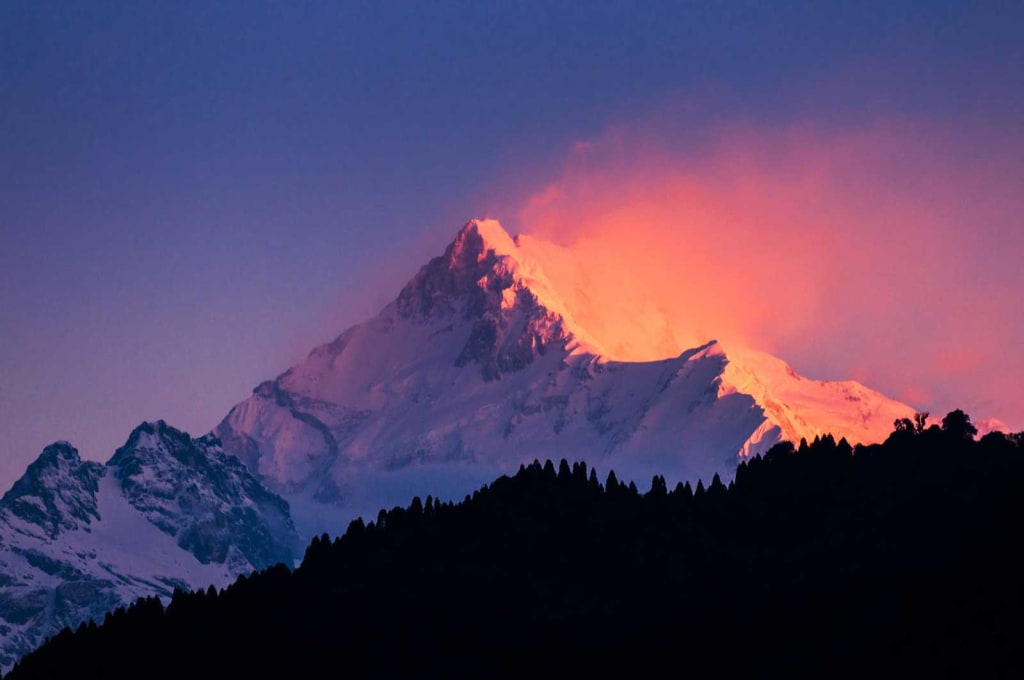
The Kanchenjunga Trek is one of Nepal’s most remote and demanding treks, taking adventurers deep into the far east of the country, where nature, culture, and solitude converge. Trekking to the base of the world’s third-highest mountain—Kanchenjunga (8,586 meters)—is not just a physical challenge but a logistical one. With fewer tourists, limited infrastructure, and rugged terrain, this trek is both a test of endurance and a unique opportunity to explore a less-commercialized side of the Himalayas.
Having completed the trek and returned with sore feet, a full heart, and a much lighter pack, I’ve compiled this guide on what I packed, what I learned along the way, and what I would do differently if I had the chance to go again.
What I Packed for the Kanchenjunga Trek
Packing for a remote trek likeHere’s a breakdown of my gear, clothing, and essential items.
Clothing
• 2 moisture-wicking base layers (thermal tops and bottoms)
• 1 fleece mid-layer
• 1 down jacket (-10°C rated)
• 1 waterproof/windproof outer shell (jacket and pants)
• 2 trekking shirts (quick-dry)
• 1 pair trekking pants
• 1 pair fleece pants for evenings
• 1 pair thermal gloves + 1 waterproof glove shell
• 1 wool hat and 1 sun hat
• 3 pairs of wool trekking socks
• 1 buff for dust and warmth
• Lightweight camp shoes (essential for evenings)
• UV-protective sunglasses
Footwear
• Well-broken-in trekking boots (Gore-Tex)
• Extra laces and blister pads
Gear
• 65L trekking backpack
• 20L daypack (carried by me, main pack with porter)
• Sleeping bag (rated to -15°C)
• Sleeping liner
• Trekking poles (lifesavers on descent)
• Headlamp with spare batteries
• Power bank (20,000 mAh)
• Solar charger (useful on clear days)
Toiletries and Health
• Toothbrush, biodegradable soap, small towel
• Sunscreen (SPF 50+), lip balm with SPF
• Personal first aid kit (including Diamox, rehydration salts, antibiotics, painkillers)
• Water purification tablets and filter bottle
Food and Snacks
• Energy bars, nuts, and dried fruit (limited supply en route)
• Electrolyte tablets
• Instant coffee and teabags (for comfort)
Documents
• Kanchenjunga Restricted Area Permit
• Kanchenjunga Conservation Area Permit
• Passport copies, passport photos
• Travel insurance (including helicopter evacuation)
Miscellaneous
• Journal and pen
• Maps (hard copy and GPS)
• Lightweight towel
• Ziploc bags for waste and organization
What I Learned Along the Way
Despite researching thoroughly before the trek, some lessons only come through experience. Here are the biggest takeaways from my time on the Kanchenjunga trail.
1. Remote Means Truly Remote
The Kanchenjunga region sees a fraction of the trekkers who venture into Annapurna or Everest. Villages are sparse, and services are limited. After a certain point, food supplies become basic, and communication with the outside world disappears completely. Power is unreliable, and there is virtually no mobile network coverage past Taplejung.
Lesson: Be self-reliant. Carry enough backup batteries, a power bank, and essential medication. Prepare to be completely off-grid for over two weeks.
2. Weather is Highly Unpredictable
Even in the prime trekking seasons (April–May and October–November), weather in the Kanchenjunga region can be erratic. We encountered sudden snowfall above 3,500 meters, muddy trails from overnight rain, and bright sun within the same day.
Lesson: Always carry your outer shell and waterproof bag covers in your daypack. Dry bags inside your backpack are essential to keep gear safe.
3. Teahouse Conditions Are Basic
Unlike the more developed trails in Nepal, teahouses in Kanchenjunga are minimalistic. Expect shared rooms with wooden beds, thin mattresses, and limited or no heating. Food options often revolve around dal bhat and instant noodles, with very little variety beyond that.
Lesson: Don’t rely on comfort. Bring a warm sleeping bag, energy-dense snacks, and embrace the simplicity. Staying warm at night is more important than having a wide food selection.
4. Altitude Catches Up With Everyone
Though the trek is gradual, the extended duration at altitude affects most trekkers. The trail ascends steadily to over 5,000 meters at Pang Pema (Kanchenjunga North Base Camp), and acclimatization days are not optional.
Lesson: Go slow, listen to your body, hydrate constantly, and plan buffer days for weather or health setbacks. Do not rush the itinerary to save days—it’s not worth the risk.
5. The Cultural Experience is Profound
The Kanchenjunga region is inhabited by Limbu, Rai, Sherpa, and Tibetan communities, and the spiritual energy is palpable. You’ll pass prayer flags, monasteries, and yak herders’ huts—all offering an insight into Himalayan life far from the mainstream trekking routes.
Lesson: Respect local customs, ask before taking photos, and try learning a few local greetings. Interactions are meaningful and authentic here.
What I’d Do Differently Next Time
After completing the trek, I found myself reflecting on things I could have done better. These small changes would have made a big difference.
1. Carry Less Clothing
I overpacked on shirts and socks, which only added unnecessary weight. Laundry is possible in some villages and drying time is long, but manageable.
Next Time: Pack fewer items and reuse. Comfort on the trail outweighs fresh clothes.
2. Bring More Snacks and Protein
I underestimated how repetitive and carb-heavy the teahouse diet would be. While dal bhat provides energy, it lacks protein and variety.
Next Time: Pack more trail mix, jerky, nut butters, and electrolyte mixes. They are lightweight and essential for long days.
3. Hire a Local Guide from the Region
Though my guide was experienced, hiring someone from the Kanchenjunga region would have added more depth to the cultural interpretation.
Next Time: Request a local guide familiar with the specific customs and dialects of the area for a richer experience.
4. Train for Steep Descents
The ascent was manageable thanks to steady pacing, but the long descents were hard on the knees and ankles.
Next Time: Include more downhill hikes in my training plan, focusing on quad strength and balance.
5. Add a South-to-North Traverse
Many trekkers only go to the North Base Camp, but the full Kanchenjunga circuit includes both North and South Base Camps. It takes a few more days but provides a complete experience of the region.
Next Time: Plan at least 22–24 days to include the full loop with proper acclimatization.
Final Thoughts
The Kanchenjunga Trek is not for everyone. It is remote, rugged, and logistically challenging. But for those who seek solitude, untouched Himalayan wilderness, and an authentic trekking experience, it offers unparalleled rewards. The sense of isolation, the grandeur of Kanchenjunga itself, and the resilience of local communities left a lasting impression on me.
I emerged from the trail lighter, wiser, and with a new appreciation for simplicity and resilience. If you’re ready to push beyond the comfort zone of commercial trekking routes, Kanchenjunga awaits with open arms and silent snow-capped peaks.
About the Creator
Enjoyed the story? Support the Creator.
Subscribe for free to receive all their stories in your feed.
Comments
There are no comments for this story
Be the first to respond and start the conversation.